
Last updated November 16, 2026
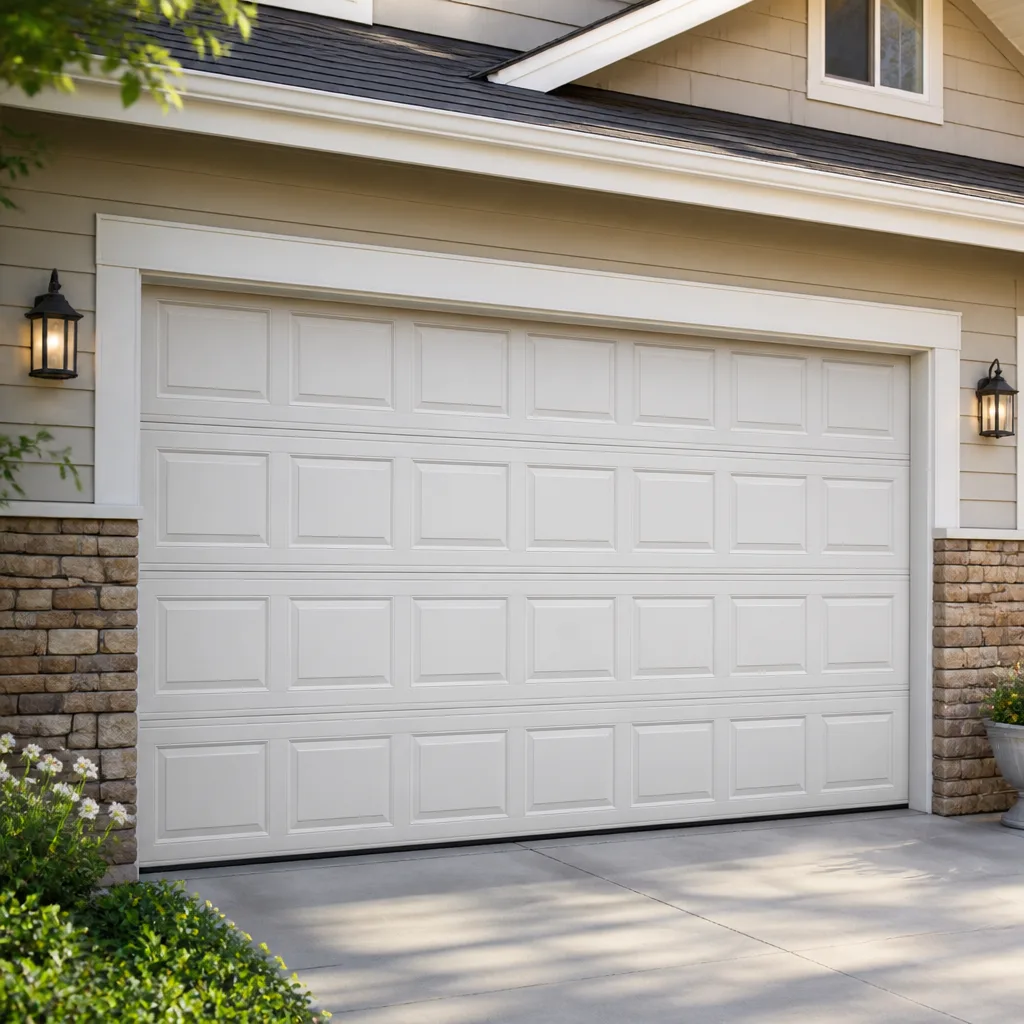 Raised-panel steel
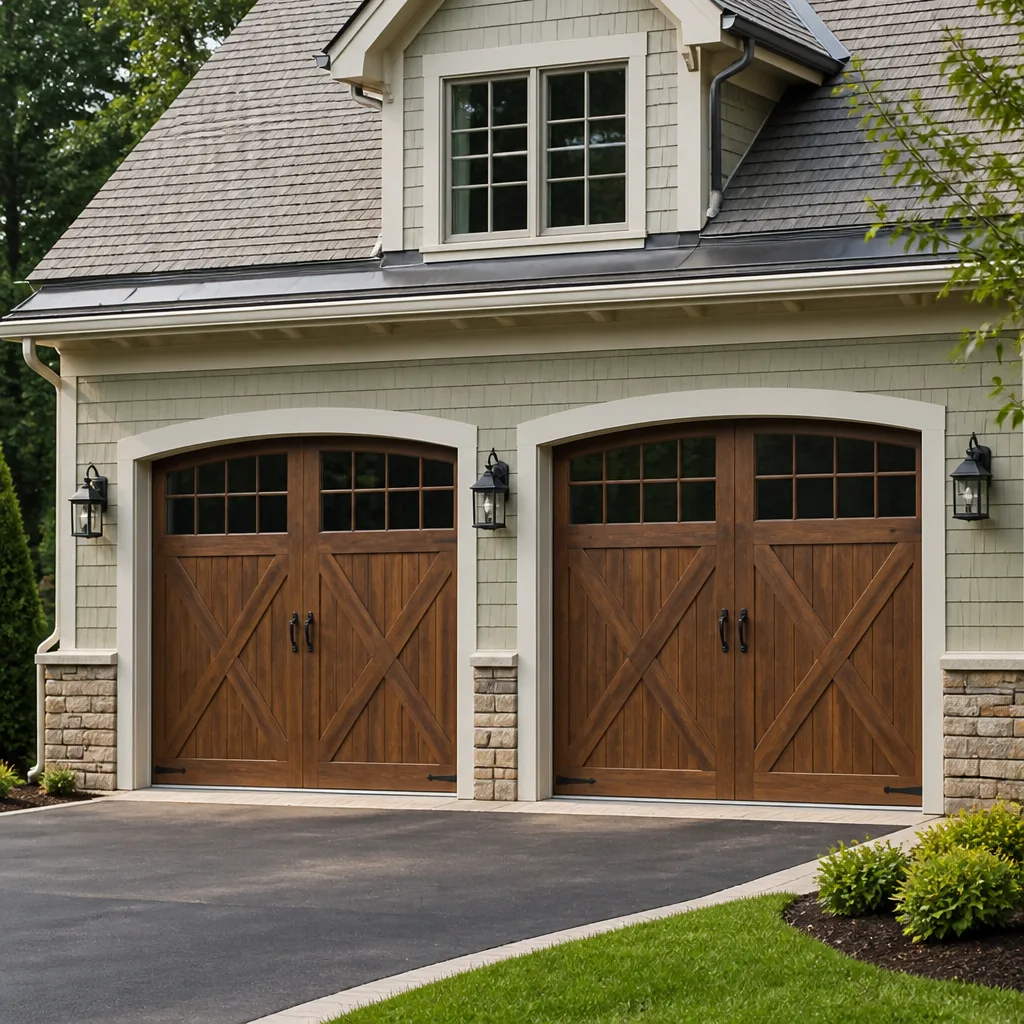 Carriage house
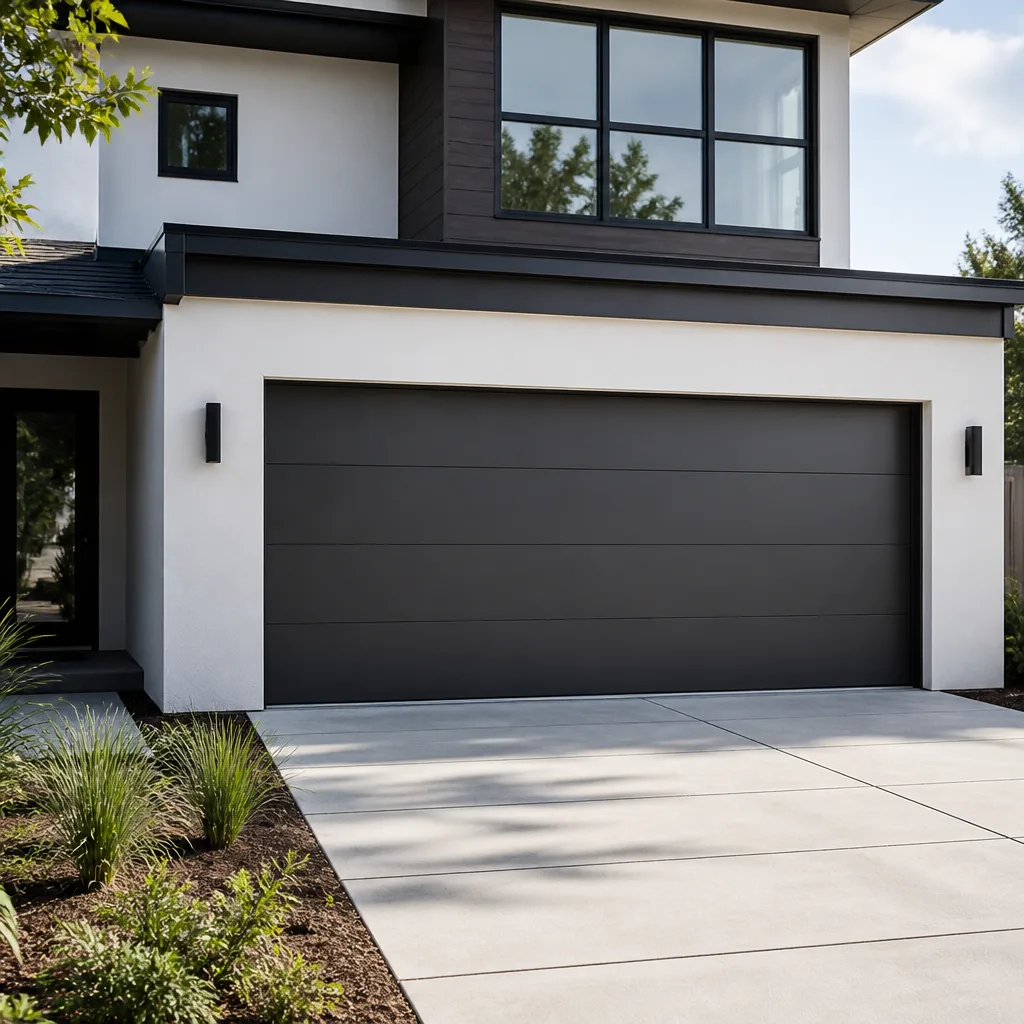 Modern flush
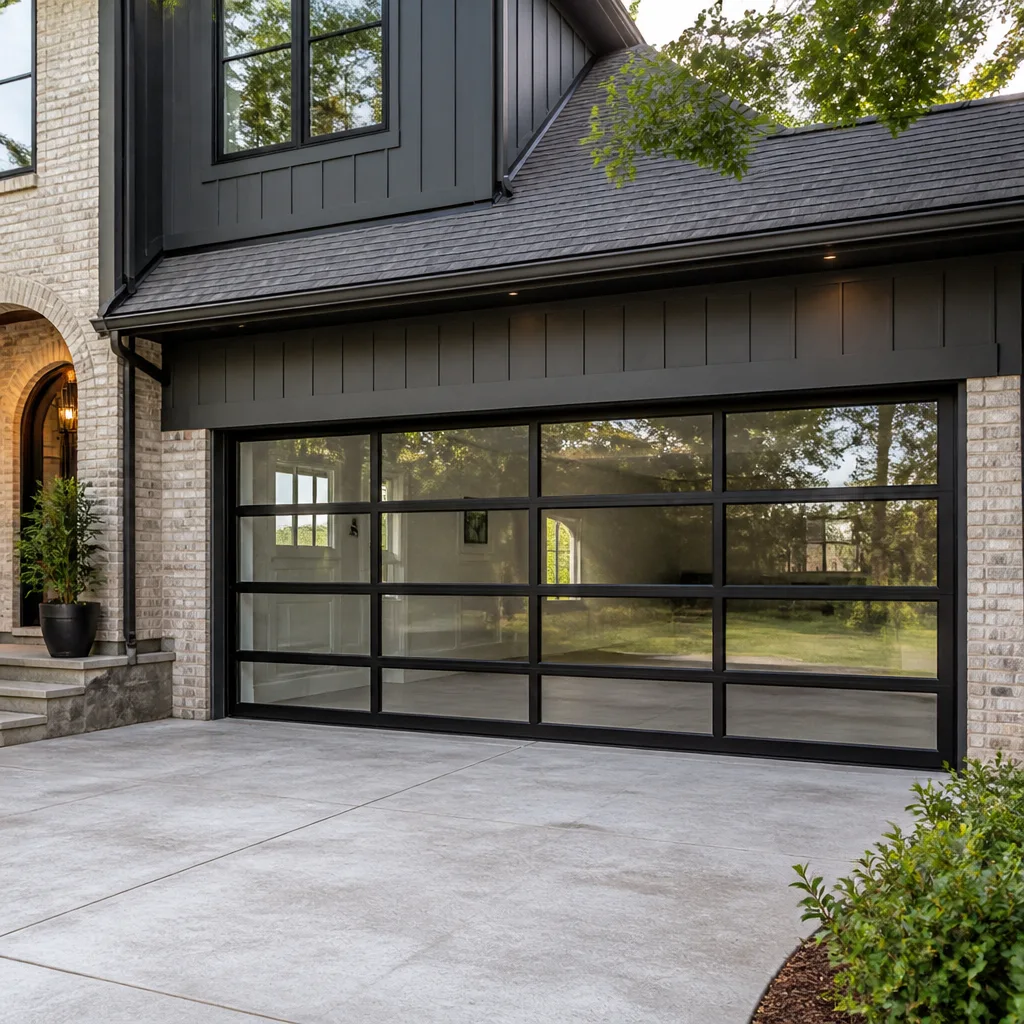 Full-view glass
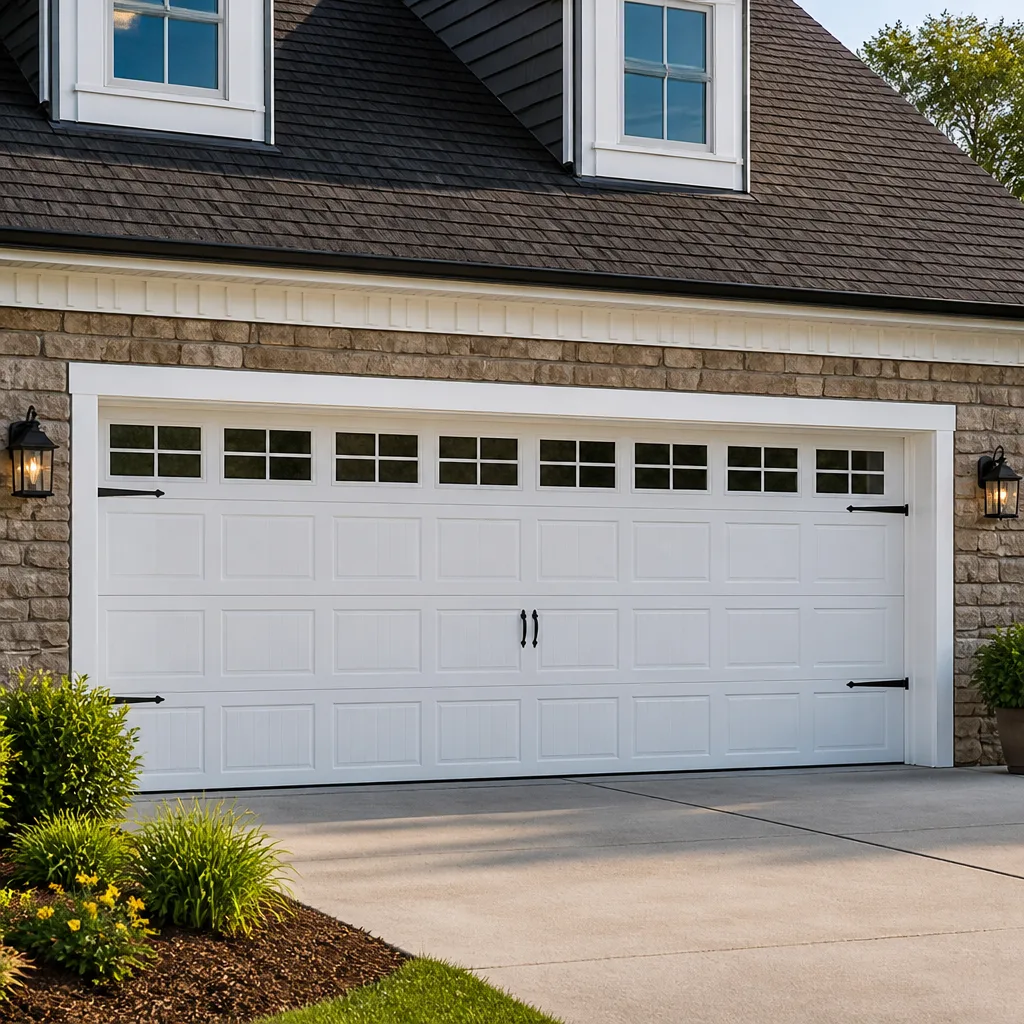 LiftMaster openers
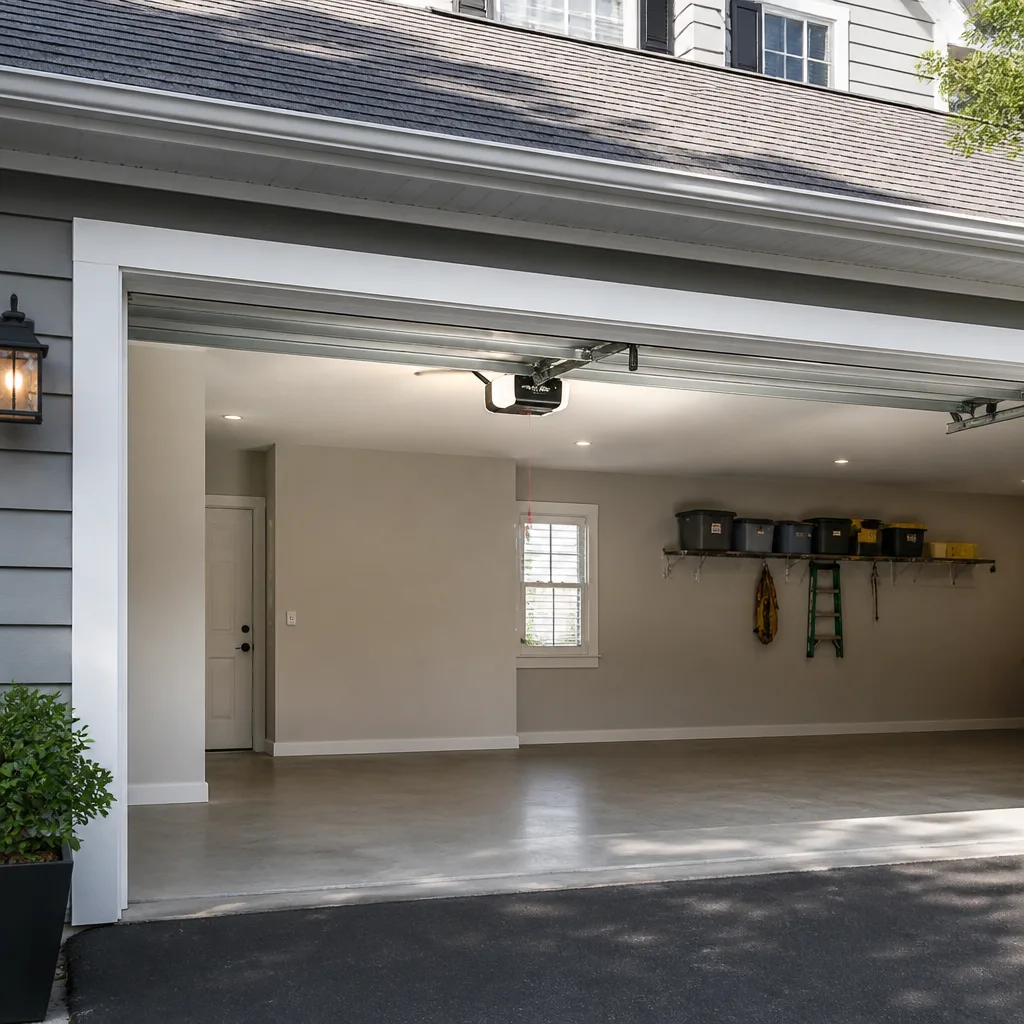 Chamberlain openers
Full 25-point door and opener safety check with every visit - springs, cables, rollers, tracks, and your LiftMaster or Chamberlain opener included
You get a price before we start. It does not change when the pro arrives.
Get your free estimateGarage Door Repair Troubleshooting in Albany: Common Problems and How to Fix Them
A garage door that reverses before it reaches the floor isn’t simply broken. It’s telling you something specific, and if you adjust the wrong setting trying to quiet it, you can turn a minor fault into a safety problem. The same goes for a door that groans in January, one that ignores the wall button but obeys the remote, or one that lurches halfway down and stops. Each behavior points to a different part of the system: a sensor, a limit switch, a torsion spring, a logic board. Read the symptom correctly and the repair is usually small. Read it wrong and you pay twice. This guide shows you how a technician in Albany reads those signals, which fixes are safe to handle yourself, and which ones belong in trained hands.
Quick Answer
Most garage door problems in Albany come down to one of five causes: misaligned or fogged safety sensors, a torsion spring that has weakened or snapped, a limit switch or travel setting that has drifted, a worn bottom seal freezing to the concrete, or a logic board fault in the opener. You can safely troubleshoot sensor alignment, lubrication, and remote or wall-button issues yourself. Spring, cable, and track work should always go to a trained technician. When in doubt, a free estimate costs you nothing and prevents an expensive wrong guess.
Styles & brands we work with
- Raised-panel steel
- Carriage house
- Modern flush
- Full-view glass
- LiftMaster openers
- Chamberlain openers
Table of Contents
- Symptom-to-Cause Matrix: What Your Door Is Telling You
- The Three Checks to Do Before Touching Any Adjustment
- What Albany Winters Do to Garage Doors
- Reading Blinking Lights: LiftMaster, Chamberlain, and Genie Error Codes
- DIY-Safe Fixes vs. Professional-Only Repairs
- When the Problem Is the Opener, Not the Door
- Why Brand Knowledge Shortens the Diagnosis
- When to Call a Professional
Symptom-to-Cause Matrix: What Your Door Is Telling You
A garage door is a system, not a single part. The opener, springs, cables, tracks, sensors, and panels all have to work in sync, and a failure in any one of them shows up as a behavior at the door. That’s why the same visible symptom, like a door that won’t close, can trace back to four or five completely different causes. The matrix below maps the behaviors homeowners describe most often to the parts that actually cause them. Use it to narrow the possibilities before you spend money on a part you may not need.
- Reverses mid-travel, before reaching the floor: most often the safety sensors. Check for misalignment, a spider web, or fogged lenses. If the sensors are clear and aligned, the travel limit or force setting may have drifted, or the logic board may be misreading the sensor signal.
- Responds to the remote but not the wall button: a wiring fault in the wall control circuit, a failed wall button, or a locked-out control on the opener. The opener itself is usually fine.
- Responds to the wall button but not the remote: dead remote battery, lost programming, or a radio receiver fault in the opener. Reproducing the remote is a two-minute fix on most LiftMaster and Chamberlain units.
- Moves slowly only in cold weather: thickened lubricant, stiff rollers, or a torsion spring that has lost tension. Below roughly 20°F, spring steel becomes less elastic, and a spring near the end of its life will feel noticeably sluggish.
- Door goes up a foot and stops: a travel limit switch out of adjustment or a binding track. If the door is hard to move by hand with the opener disengaged, the problem is mechanical, not electronic.
- Loud bang from the garage, door won’t lift: a torsion spring has broken. This is a professional repair, full stop.
- Door closes partway, then reverses and the opener light flashes: sensor obstruction or a force setting that is too sensitive. Check the sensors first.
- Grinding or scraping as the door moves: worn rollers, a bent track, or a cable off its drum. Stop using the door until it’s inspected.
If you’re reading this in Albany and your door is doing one of these things right now, the fastest path to a correct answer is a technician who has seen the same behavior on the same brand of equipment many times. We work on Clopay and Amarr doors and LiftMaster and Chamberlain openers every week, so most symptoms are familiar before we even arrive.
The Three Checks to Do Before Touching Any Adjustment
Before you change a limit switch, tighten a spring, or reprogram anything, run three checks. Skipping them is how a small repair becomes a large one: a homeowner adjusts the force setting to force a binding door closed and burns out the opener motor, or tightens a track that was never the problem and bends a panel. These three tests take about ten minutes and tell you which part of the system you’re actually dealing with.
- Manual disconnect test. Pull the red emergency release handle to disengage the opener from the door. With the opener disconnected, lift the door by hand to about waist height and let go. The door should stay put or drift down slowly. If it slams down, the springs are weak or broken. If it’s very hard to lift, something is binding. Either result means you should stop and call a technician.
- Balance test. With the door disconnected, raise it halfway and release it. A well-balanced door holds its position. A door that falls means the springs need adjustment or replacement. A door that rises on its own means the springs are over-tensioned. Both are spring issues, and springs are not a homeowner repair.
- Visual spring inspection. Look at the torsion spring (the horizontal coil above the door) or the extension springs (the two long springs running along the tracks). A torsion spring with a visible gap in the coil has snapped. Extension springs should have safety cables running through them; if a cable is missing or a spring is stretched out of shape, stop using the door. Never attempt to unwind, adjust, or replace a torsion spring yourself.
If all three checks pass, you’re likely dealing with a sensor, remote, limit switch, or lubrication issue, and those are reasonable to investigate. If any check fails, the door needs a professional look. Call (866) 942-9116 for a free estimate and we’ll tell you exactly what’s wrong before any work begins.
What Albany Winters Do to Garage Doors
Albany’s winters put stress on garage doors in ways that a general troubleshooting guide written for a mild climate won’t cover. The freeze-thaw cycle, road salt tracked onto the apron, and weeks of sub-freezing nights all leave their mark. Three problems show up here far more often than they do in warmer parts of the country, and each one has a different fix.
Torsion spring metal fatigue below 20°F
Spring steel loses elasticity as it gets colder. A torsion spring that’s been in service for years and is already near the end of its cycle life can go from sluggish to snapped during the first hard cold snap of the season. That’s why so many spring failures in Albany happen in January and February rather than in July. If your door has gotten noticeably harder to lift by hand since fall, or if it hesitates at the start of its travel, have the springs inspected before a morning arrives when the door simply won’t open.
Photo-eye lens fogging
The safety sensors mounted at the bottom of each track depend on a clear infrared beam passing between them. In cold, damp weather, condensation can fog the lenses, and the beam weakens or scatters. The door reads this as an obstruction and refuses to close, or it closes partway and reverses. Wiping the lenses with a dry cloth is a safe fix you can do yourself. If fogging keeps coming back, check that the sensors aren’t mounted in a spot where warm garage air meets cold outdoor air.
Bottom seal freezing to concrete
The rubber bottom seal can freeze to the concrete apron overnight, especially after a day of melting snow that refreezes. When the opener tries to lift a door whose seal is stuck, it strains the motor and can pull the seal loose from its retainer. A silicone spray on the seal and a clear apron go a long way. If your seal is cracked or brittle, replacing it is a small job that prevents a bigger one.
Salt tracked in on tires is another Albany-specific factor. It doesn’t rust modern aluminum or steel doors the way it rusts a car, but it does dry out rubber seals and accelerate wear on steel rollers and hinges. A quick rinse of the bottom section and a yearly lubrication of the moving parts keeps those components working through the winter.
Reading Blinking Lights: LiftMaster, Chamberlain, and Genie Error Codes
Most modern openers communicate faults through a blinking LED on the motor head or the wall control. Learning to read those blinks saves a phone call for simple problems and tells you exactly what to report when the problem is real. The codes below cover the three opener brands homeowners ask about most often.
LiftMaster and Chamberlain
- 5 flashes, pause, repeat: the safety sensors are misaligned or obstructed. Check both sensors, wipe the lenses, and confirm the LED on each sensor is solid.
- 4 flashes, pause, repeat: the opener has detected a wiring fault on the safety sensor circuit. Inspect the low-voltage wires running from the opener to the sensors for a break, a staple through the wire, or a loose terminal.
- 2 flashes, pause, repeat: a problem with the door’s travel or force setting, or something is physically binding the door. Disengage the opener and test the door by hand.
- 1 flash, pause, repeat: the opener has lost its travel limits and needs to be reprogrammed, or the logic board has a fault.
- Solid LED on the motor head: the opener is locked out, often from a wall control command. Check the wall button for a lock function.
Genie
- Slow blink on the wall control: the remote is not programmed, or the signal isn’t reaching the receiver. Reprogram the remote, then check for interference.
- Rapid blink after a command: the opener is in vacation lock mode. Disable it from the wall control.
- No light, no movement, no sound: check the outlet and the circuit breaker before assuming the opener has failed.
If you’ve matched the blink pattern to a cause and the fix doesn’t hold, the fault is usually in the logic board or a sensor harness rather than a setting. That’s a repair we handle often on LiftMaster and Chamberlain systems. A quick call to (866) 942-9116 with the blink count gets you an accurate answer fast. And if the phone rings outside our usual hours, no problem: we answer 24/7, and fast dispatch runs from 7am to 7pm, Sunday through Friday.
DIY-Safe Fixes vs. Professional-Only Repairs
Not every garage door problem needs a technician, and not every one is safe to touch. The line between the two is about the forces involved and the consequences of getting it wrong. Here’s a straight split.
Safe to handle yourself
- Sensor alignment. Loosen the wing nut, adjust the sensor until its LED is solid, and retighten. Ten minutes with no tools beyond a socket.
- Cleaning sensors and tracks. A dry cloth for the lenses and a damp rag for the tracks.
- Lubrication. A door-specific lubricant on the hinges, rollers, and spring coils. Avoid spraying the tracks themselves; they should stay clean and dry.
- Remote batteries and reprogramming. Most LiftMaster, Chamberlain, and Genie remotes have a battery door and a simple pairing sequence in the manual.
- Limit switch adjustment. Only if the door moves freely by hand and the opener is clearly traveling too far or not far enough. Adjust in small increments.
- Bottom seal replacement. A straightforward job on most doors that prevents freezing and drafts.
Professional-only, no exceptions
- Torsion spring replacement or adjustment. Torsion springs hold enormous stored tension. If one lets go while you’re working on it, the injury can be severe. This is the single most dangerous garage door component.
- Cable repair or replacement. Cables carry the same tension and can whip when they fail. Never touch a cable while it’s under load.
- Track realignment. A bent track may be holding a door in a bind, and straightening it incorrectly can drop the door.
- Panel replacement on a door with active springs. Replacing a panel means relieving tension first. That’s a technician job.
- Opener gear and logic board replacement. Diagnosing an electronic fault and matching the right board to the brand and model takes brand-specific familiarity.
If your problem falls in the second list, do not attempt it, even with a video tutorial. Call (866) 942-9116 for a free estimate and get it done safely.
When the Problem Is the Opener, Not the Door
A surprising number of “broken garage doors” in Albany turn out to be opener faults. The door itself is fine: springs intact, tracks clean, seal free. The opener is the part that has failed. Distinguishing the two saves you from paying for door parts you don’t need. The three opener faults we diagnose most often are the drive gear, the logic board, and the safety sensor harness. Each behaves differently.
A stripped drive gear in a chain- or belt-drive opener makes a grinding sound and the motor runs without moving the door. That’s a mechanical fault in the opener head, not the door. A failed logic board usually shows up as erratic behavior: the door responds intermittently, the light flashes without a clear pattern, or the opener resets itself. The safety sensor harness fails when the low-voltage wire running from the opener to the sensors has been damaged by a staple, a rodent, or a door that caught it. You can often spot that visually by tracing the wire with a flashlight.
If your opener is a LiftMaster, Chamberlain, Genie, or Craftsman, there’s a good chance we know the exact model, its common failure points, and the parts that fix it. Garage door opener repair is one of our three core services precisely because the electronic and mechanical sides of these systems fail differently and need to be diagnosed together. If you’re not sure whether the door or the opener is at fault, the three checks above will usually tell you, and a quick phone call will confirm it.
Why Brand Knowledge Shortens the Diagnosis
Garage doors are built around two hardware categories that have to work in sync: the door itself and the opener that drives it. Knowing both brands involved, not just one, is what turns a two-visit diagnosis into a single-visit fix. A Clopay door with a LiftMaster opener is a different system from a Wayne Dalton door with a Genie, and each combination has its own quirks in weight, spring tension, and opener force requirements.
We work on eight of the most widely installed residential brands on the market. On the door side, that’s Clopay, Amarr, Wayne Dalton, and Raynor. On the opener and drive-system side, that’s LiftMaster, Chamberlain, Genie, and Craftsman. Most homes in Albany already have a door or opener we know, which means we’re not learning your equipment on your time. When we see a Wayne Dalton iDrive or a Raynor door with a torsion setup, we already know where to look first.
That’s also why we handle the full service lifecycle. If a repair makes sense, we’ll fix it. If the door is at the point where replacement costs less over the next few years than another round of repairs, we’ll tell you that too. Repair or replace, we’ll tell you which one makes sense, and we’ll put the number in writing before anything starts.
Common Mistakes to Avoid
- Forcing a door closed by increasing the opener’s force setting. When a door binds, the opener force setting is not the fix. Raising it just makes the opener push harder against a mechanical problem, which burns out the motor and can bend a panel. If the door won’t close easily by hand, the issue is mechanical.
- Adjusting a limit switch before running the balance test. A limit switch can’t fix weak springs, but homeowners try. Run the manual disconnect and balance tests first; if the door fails either, stop and call a technician.
- Spraying lubricant into the tracks. The tracks should be clean and dry. Lubricant collects grit, which wears out rollers and causes the grinding noise you were trying to fix.
- Ignoring a bottom seal that freezes to the concrete every winter. A frozen seal strains the opener on every cold morning. A little silicone spray and a clear apron protect the door and the opener. In Albany, this is a yearly maintenance habit worth building.
- Assuming a sensor fault is a sensor failure. Misalignment is far more common than a dead sensor. Check the LED on each unit before buying a replacement.
- Reprogramming a remote that just needs a battery. Replace the battery first; it’s a two-dollar fix versus a full reprogramming routine.
- Tightening a track by feel. A track that’s out of alignment looks like a simple adjustment, but over-tightening or bending it back can drop the door. This one belongs to a technician.
See the difference
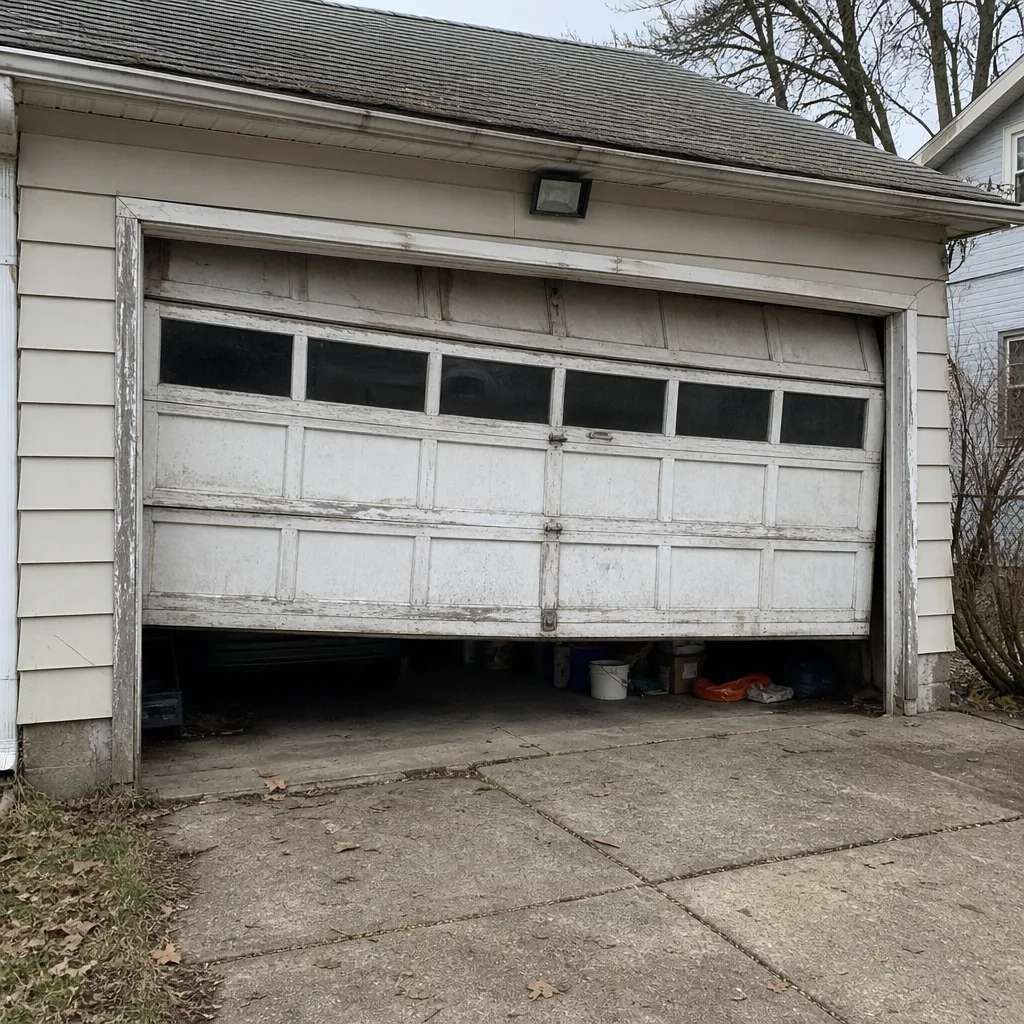 Before
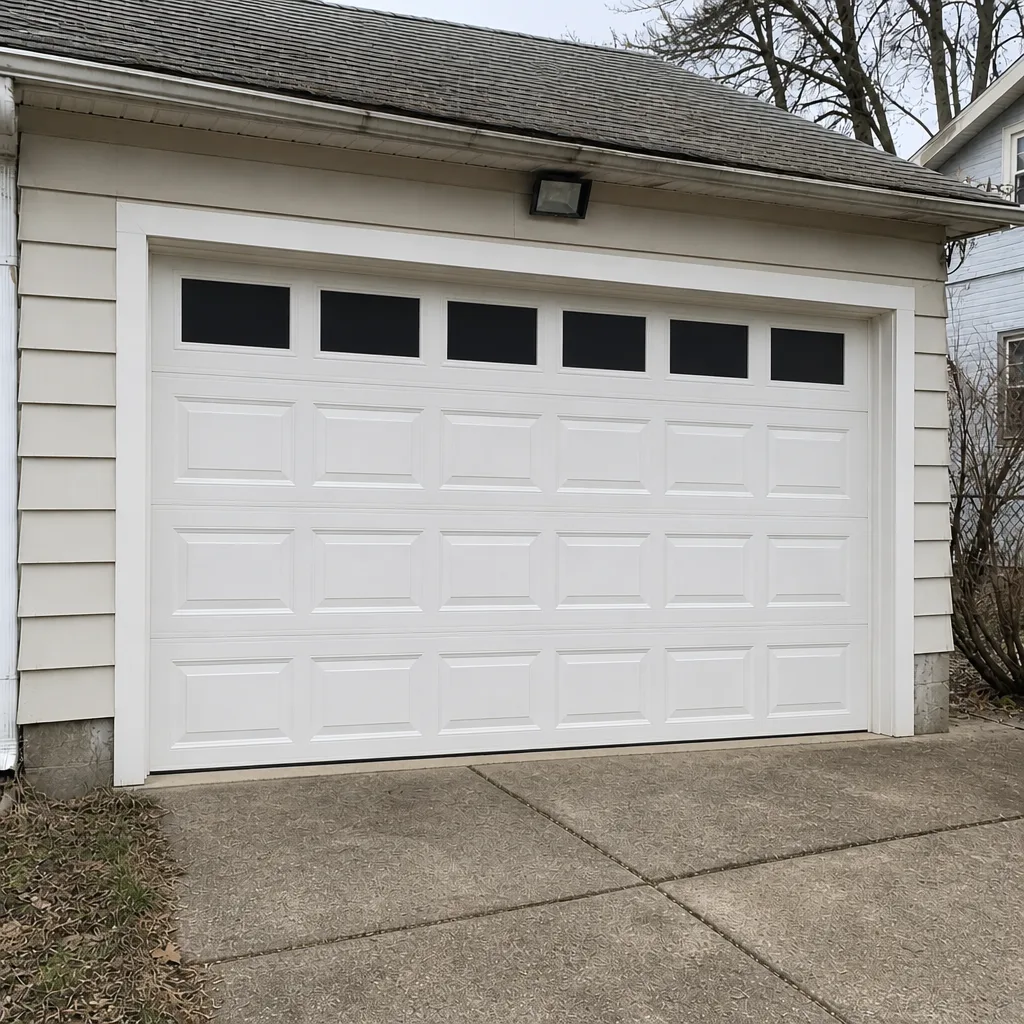 After
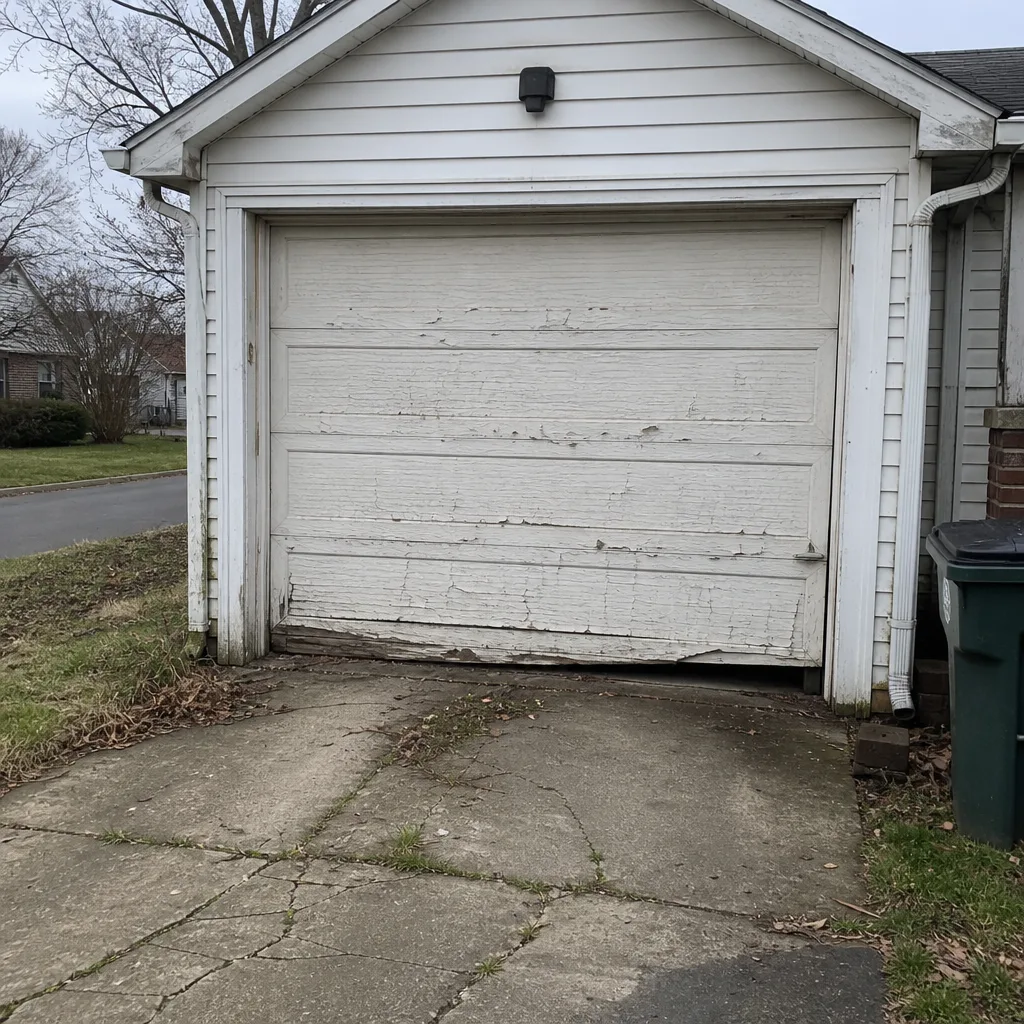 Before
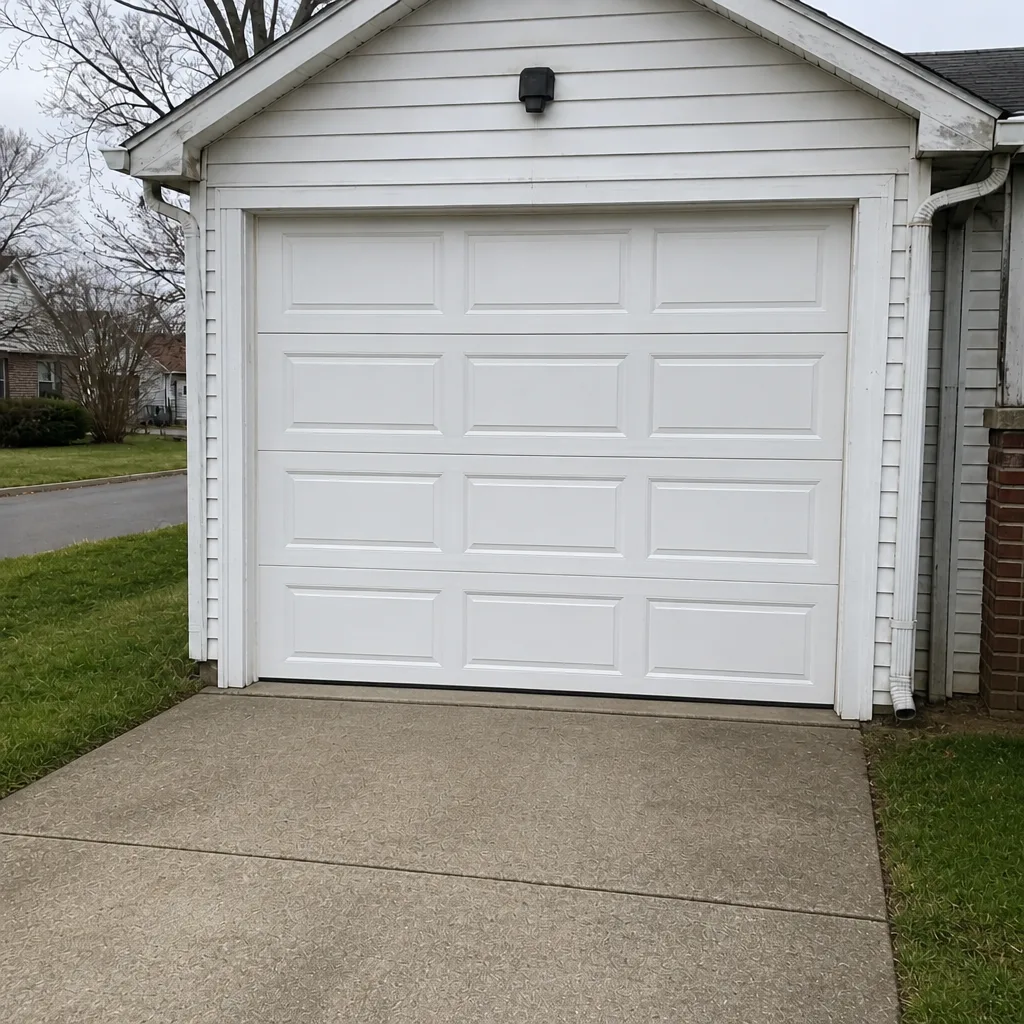 After
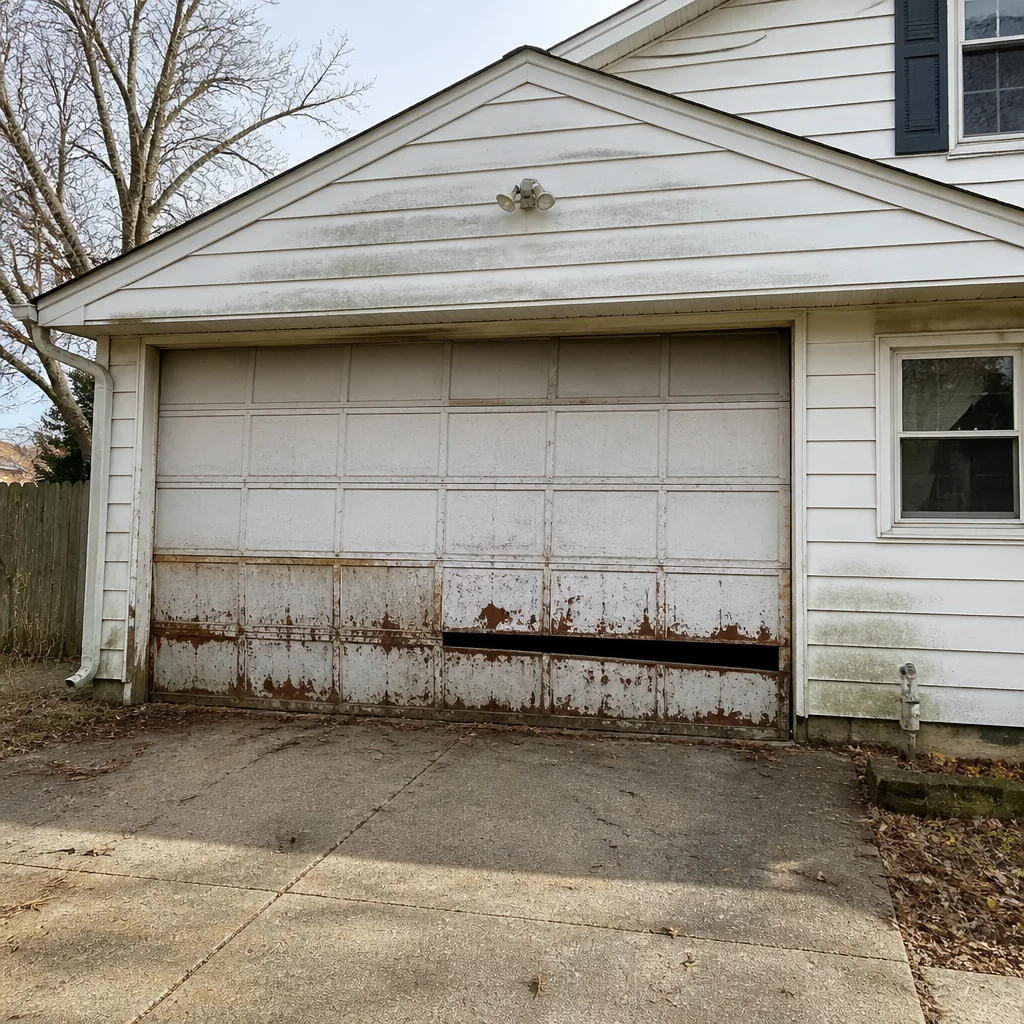 Before
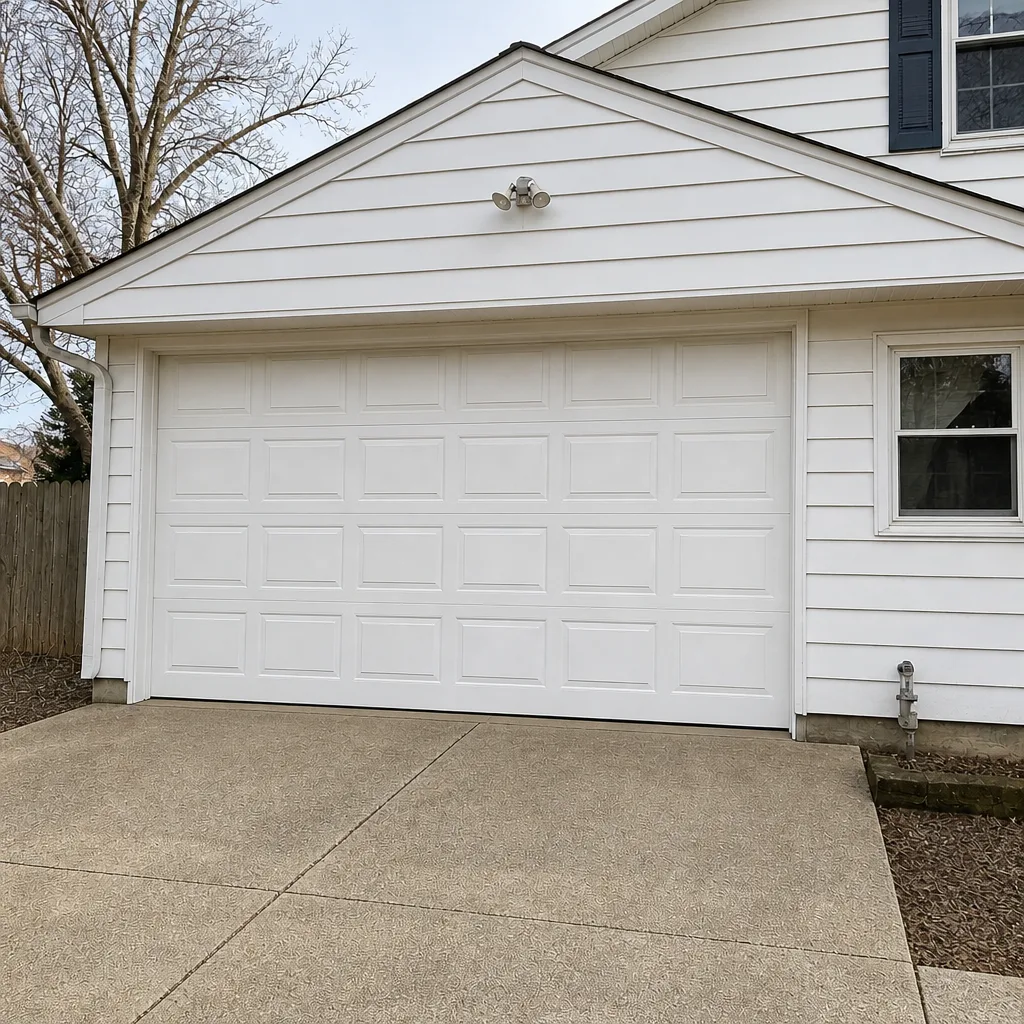 After
When to Call a Professional
Some problems are safe to work through. Some are not. Call a professional if any of these is true: your door has a snapped torsion spring (a loud bang, then a door that won’t lift), a cable has come off its drum or is visibly frayed, the door is off its track or hanging unevenly, the door fails the manual disconnect or balance test, or the opener grinds but doesn’t move the door. Also call if you’ve matched a blink code and the fault returns after a reset, which usually points to a logic board or harness problem that needs a technician’s diagnostic tools.
Bancroft Garage Door Repair offers free estimates in Albany, and we’ll tell you what’s wrong before we quote anything. Call (866) 942-9116. We answer 24/7, with fast dispatch from 7am to 7pm, Sunday through Friday. If you call outside dispatch hours, your call is booked into the next opening.
Frequently Asked Questions
Most common garage door repairs in Albany fall somewhere in the range of a small sensor or remote fix at the low end to several hundred dollars for spring or opener repairs. The exact number depends on the part, the door brand, and the opener model, which is why we set every price per job with a written estimate before any work starts. You’ll see the number in writing first, and that written estimate is what you pay. Call (866) 942-9116 for an exact quote; estimates are free.
Yes, same-day service is often available for a door that won’t close or an opener that has failed. Call (866) 942-9116 and we’ll set up the earliest dispatch that fits. We answer 24/7, and fast dispatch runs from 7am to 7pm, Sunday through Friday. If it’s Saturday, we’re closed and will book you for Sunday.
A reverse-before-closing is almost always the safety sensors, a travel limit that has drifted, or something binding the door. Check the sensor LEDs first; if either is off or flickering, alignment or a dirty lens is the cause. If both are solid and the door still reverses, the issue is likely travel or a mechanical bind, and it’s worth a professional look. Call (866) 942-9116 for a free estimate.
No. The written estimate we give you before any work starts is the price, and it doesn’t move because of what we find on arrival. If a repair reveals a second problem, we’ll show you the new number and get your agreement before we touch it. That’s how every job on every brand runs. Call (866) 942-9116 to get your estimate started.
Yes. The technicians who work on your door are state-licensed and insured, and our technicians have up to 13 years of experience. You’re dealing with a specialist trade rather than a general handyman who happens to do doors. Call (866) 942-9116 and we’ll answer any coverage question before you book.
It’s common in Albany, but it’s not normal. Cold thickens lubricant and stiffens rollers, and below about 20°F a torsion spring near the end of its life will feel noticeably sluggish. A door that drags every January is telling you the springs are tired. Have them inspected before a morning arrives when the door won’t open at all. Call (866) 942-9116 for a free estimate on a spring check.
Most likely yes. We work on eight of the most widely installed residential brands, including Clopay, Amarr, Wayne Dalton, Raynor, LiftMaster, Chamberlain, Genie, and Craftsman. Most homes in Albany already have a door or opener we know. Call (866) 942-9116 and tell us what you have.
The Bottom Line
Garage door problems reward a systems mindset. A door that reverses, grinds, or ignores a button is telling you which part of the system has failed, and reading that signal correctly saves you from buying the wrong fix. Run the three checks before you touch anything: manual disconnect, balance test, visual spring inspection. Handle sensors, remotes, lubrication, and limit switches yourself if you’re comfortable. Leave springs, cables, tracks, and logic boards to a technician. In Albany, winters add their own stress, so watch your springs and bottom seal each fall. If you’re not sure which side of the line you’re on, a free estimate settles it.
Bancroft Garage Door Repair handles garage door repair, opener repair, and new installation across LiftMaster, Chamberlain, Genie, Clopay, Amarr, Wayne Dalton, Craftsman, and Raynor equipment. Garage doors are all we do, and we can diagnose both the mechanical and electronic sides of the same visit. If you’re in Albany, call (866) 942-9116 for a free estimate. We answer 24/7, with fast dispatch from 7am to 7pm, Sunday through Friday. You can also learn more about Bancroft Garage Door Repair and how we work if you want to see what else we cover.
Written by the team at Bancroft Garage Door Repair.