
Last updated November 16, 2026
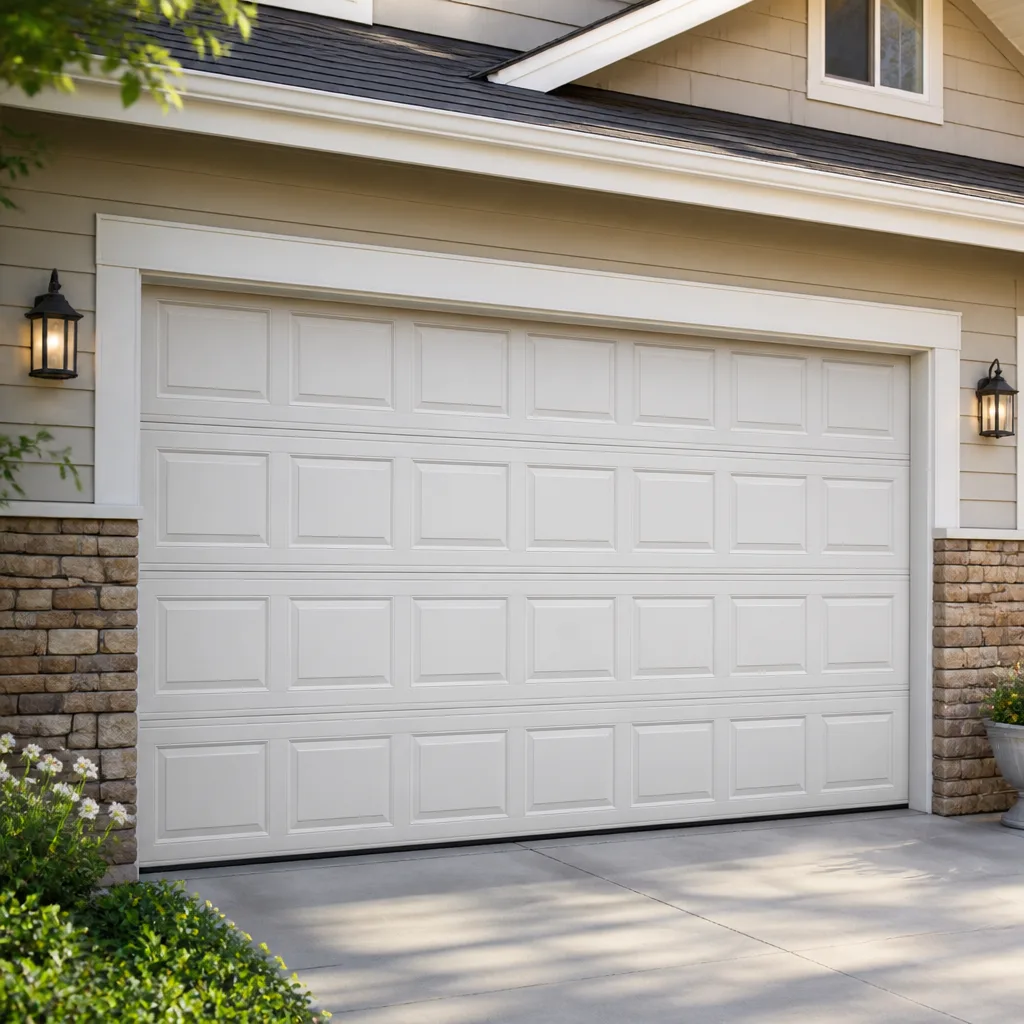 Raised-panel steel
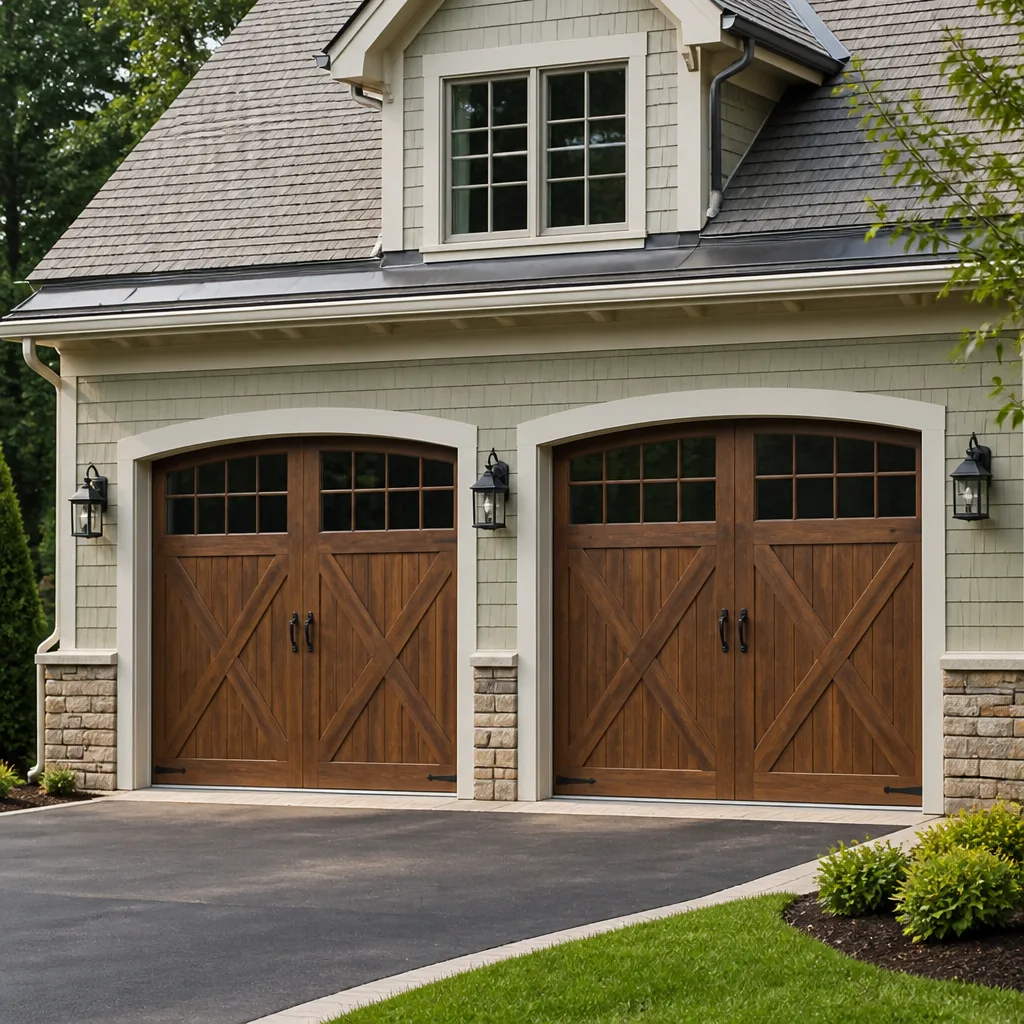 Carriage house
 Modern flush
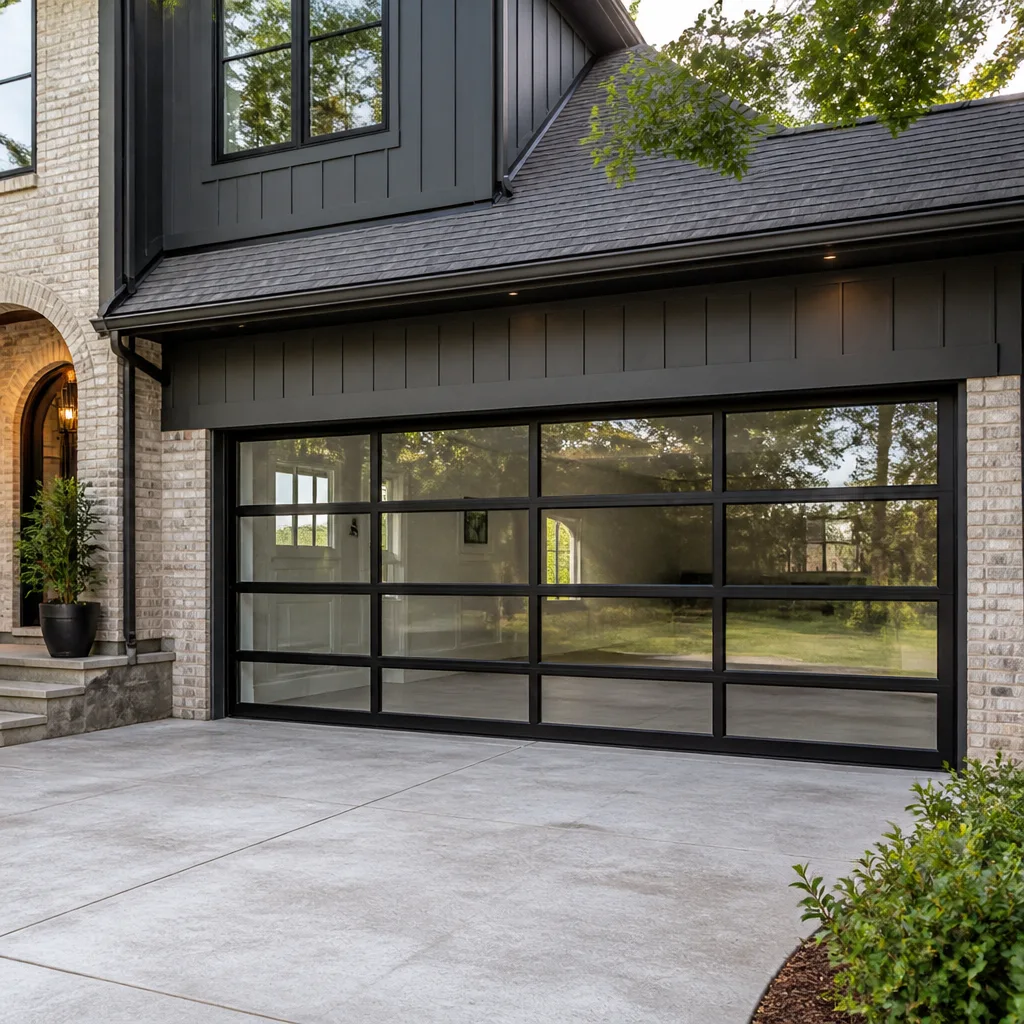 Full-view glass
 LiftMaster openers
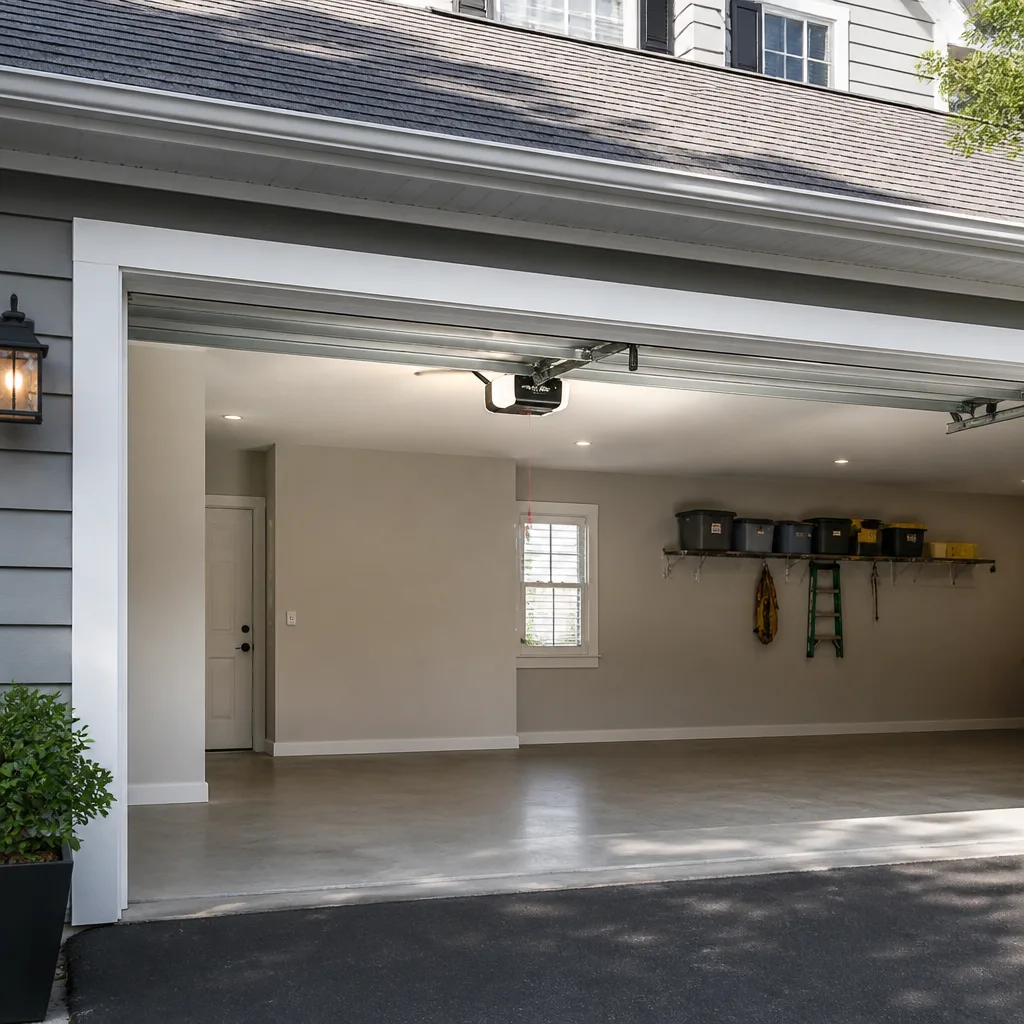 Chamberlain openers
Full 25-point door and opener safety check with every visit - springs, cables, rollers, tracks, and your LiftMaster or Chamberlain opener included
You get a price before we start. It does not change when the pro arrives.
Get your free estimateGarage Door Repair Maintenance Schedule: What to Do and When
The number one cause of spring failure in upstate New York isn’t age. It’s the three-week window in late March when temperatures swing 40 degrees in a single day, and an unlubricated spring loses its temper faster than the calendar says it should. A generic quarterly checklist won’t catch that. What a garage door needs in Albany in March, after a freeze-thaw cycle has worked on every seal and hinge, is completely different from what it needs in August, when heat expands steel tracks and dries out every lubricated surface. This guide gives you a month-tagged maintenance schedule built around Albany’s actual seasonal stressors, from the October pre-winter seal inspection to the April spring tension check to the July track adjustment, plus the lubricants, the lifespan benchmarks and the balance test that will catch most developing problems before they turn into emergency calls.
Quick Answer
A garage door maintenance schedule for Albany should follow the seasons, not the calendar quarter: inspect and lubricate in October before the first hard freeze, check spring tension and seals in April after freeze-thaw settles, check track alignment in July when heat expansion peaks, and run a balance and force test every six months in spring and fall. Most homeowners can do the light work themselves in about twenty minutes per session, and a professional tune-up once a year covers the parts that need a trained eye. Springs, cables and opener force settings are where the serious danger lives, so those stay in professional hands.
Styles & brands we work with
- Raised-panel steel
- Carriage house
- Modern flush
- Full-view glass
- LiftMaster openers
- Chamberlain openers
Table of Contents
- Why Albany Weather Writes Your Maintenance Calendar
- The Month-by-Month Maintenance Calendar for Albany
- Which Lubricants Go on Which Parts (and Which Gum Up in Cold)
- The 10-Minute Balance and Force Test
- Lifespan Benchmarks for Albany Conditions
- What to Log at Every Service Visit
- Common Mistakes to Avoid
- When to Call a Professional
Why Albany Weather Writes Your Maintenance Calendar
Albany sits in a climate that punishes garage doors in specific, predictable ways. Winters bring repeated freeze-thaw cycles, and every one of them works on the bottom seal, the hinges and the gaps around the frame. Summer heat does the opposite kind of damage: steel tracks expand, lubricants thin out or dry, and a door that ran smoothly in May can start to bind in July.
The freeze-thaw cycle is the big one. Water gets into a hairline crack in the bottom seal, freezes overnight, expands, and widens the crack. Do that forty or fifty times over a winter and a seal that looked fine in November is letting cold air and moisture into the garage by March. The same cycle attacks the paint at the bottom of steel doors, which is why the lower panels of an older Clopay or Amarr door are usually the first place you’ll see rust in Albany.
Cold also changes how springs behave. A torsion spring is a tempered steel coil under constant load, and its temper is what gives it memory. Lubrication protects that temper by reducing friction between coils. An unlubricated spring works harder, runs hotter in use, and fatigues faster than its cycle rating suggests it should. That’s why the spring that fails in Albany often fails in late March rather than in the dead of January: the door has just come through months of hard cycling, and then the temperature swings 40 degrees in a day and the metal can’t keep up.
None of this means you need to baby your door. It means the schedule should follow the seasons. A garage door in Albany that gets lubricated in October, checked in April and adjusted in July will usually outlast one that gets a generic once-a-year oiling whenever the homeowner remembers.
The Month-by-Month Maintenance Calendar for Albany
Here’s the schedule we’d hand a homeowner in Albany if they asked us to write it down. Some months are hands-on; some are just a visual pass. None of them take long.
October: Pre-Winter Seal and Hardware Inspection
Before the first hard freeze, walk the perimeter of the door with a flashlight. Check the bottom seal for cracks, compression or gaps at the corners. Look at the weatherstripping around the frame. Test every hinge and roller by hand for wobble. Lubricate the torsion springs, hinges, rollers and bearing plates with white lithium grease. This is the single most valuable session of the year in Albany, because everything you catch in October is something you won’t be dealing with in a January cold snap. If the bottom seal is already cracked, replace it now.
November through February: Visual Checks Only
Winter is not the time for adjustments. The metal is cold and brittle, and a door that’s binding slightly in January may simply be stiff from the temperature. Do a weekly visual check: listen for new noises, watch for the door hesitating, and clear snow and ice from the bottom of the opening so the seal isn’t crushed by a frozen ridge. If the door stops reversing when it meets an obstruction, that’s a safety sensor issue and it needs attention right away.
March: Post-Winter Damage Assessment
Once the freeze-thaw cycle settles, do a full inspection. This is the month you’ll find the seal damage, the rust spots and the loose hinges that winter left behind. Check the bottom seal again, look at the paint at the base of steel panels, and listen carefully on the first few cycles for any grinding or popping from the springs. Don’t adjust spring tension yourself; that’s a professional job. Just observe and note.
April: Spring Tension and Balance Check
This is the month for the balance test described further down. If the door won’t stay put at the halfway point, or if it slams down faster than it should, the springs have lost tension over the winter. April is also a good time to book a professional tune-up in Albany, because a technician can measure spring tension, check cable wear and verify the opener’s force settings in one visit.
May: Full Lubrication and Hardware Tightening
Warm weather makes the lubrication job easier and more effective. White lithium grease on the springs, silicone spray on the tracks, a light check of every bolt and hinge. Tighten anything that’s worked loose over the winter. This is also the month to test the auto-reverse and the safety sensors if you haven’t lately.
June: Opener and Smart-Hardware Check
Test the wall control, every remote and any smart-hub connection. If you own a LiftMaster or Chamberlain opener with a battery backup, check the battery. If you have a Genie or Craftsman unit, look at the drive gear and belt or chain for wear. Summer is when electronic faults tend to surface, partly because the garage gets hot and circuit boards don’t love heat.
July: Track Expansion and Alignment Check
Heat expands steel. A track that was perfectly aligned in April can develop a slight bow or a tight spot in July. Open the door halfway by hand (with the opener disengaged) and watch the rollers travel. If they bind at any point, the track needs adjustment. Silicone spray on the track surface helps, but don’t use grease here; it collects grit and makes things worse.
August: Weatherstripping and Paint Touch-Up
Inspect the frame weatherstripping for hardening or separation, and touch up any paint chips at the bottom of steel panels before fall. A Clopay or Wayne Dalton steel door in Albany will last a long time if the paint stays intact, and rust starts the moment it doesn’t.
September: Pre-Winter Prep Round Two
Repeat the October checklist. Lubricate again, check the seal, tighten hardware, and book any professional work you’ve been putting off so it happens before the cold sets in.
Which Lubricants Go on Which Parts (and Which Gum Up in Cold)
Using the wrong lubricant is worse than using none. Here’s the short version, part by part.
- Torsion springs: white lithium grease. It stays put in cold weather, doesn’t attract much grit, and coats the coils so they slide against each other instead of grinding. Apply a thin film, not a thick coat.
- Tracks: silicone spray only. Grease on a track collects dust and grit and turns into a sticky paste that wears rollers faster. Silicone is dry, slick and doesn’t hold debris.
- Hinges and rollers: white lithium grease or a garage-door-specific spray lubricant. A few drops per hinge is enough.
- Chain drive: nothing unless the manufacturer specifies a dry chain lubricant. Chain-drive openers on LiftMaster and Craftsman units are usually factory-lubricated and don’t need oil. Greasing a chain attracts grit and shortens its life.
- Belt drive: nothing. Belts run dry.
- Safety sensors and opener boards: nothing. Keep them clean and dry; don’t spray anything near the electronics.
Cold weather is where lubricant choice really matters. General-purpose oils and heavy greases thicken below freezing and can make a door sluggish or cause the opener to strain. White lithium grease and silicone spray both hold up well below freezing. WD-40 as a general-purpose spray is fine for loosening a stuck bolt, but it’s not a long-term lubricant for springs or rollers. If you’re not sure what a previous owner used, clean the tracks with a rag and start fresh.
The 10-Minute Balance and Force Test
This is the test that catches most developing problems before they become emergency calls. Do it twice a year: once in April after freeze-thaw, once in October before winter. Ten minutes, no tools beyond your hands.
- Disengage the opener. Pull the manual release cord so the door is disconnected from the opener. The door should be fully closed.
- Lift the door halfway by hand. Use the handle or the bottom edge, and lift slowly. It should feel manageable, not like lifting a car.
- Let go at the halfway point. A balanced door stays where you left it, or drifts very slightly. If it drops, the springs have lost tension. If it rises, the springs are over-tensioned.
- Lower it slowly and check for binding. If the door catches or drags at any point, the track or rollers need attention.
- Re-engage the opener and test the auto-reverse. Place a roll of paper towels or a 2×4 flat on the floor under the door and close it. The door should reverse on contact with the object. If it doesn’t, stop using the opener and call a technician; the safety reverse is not optional.
- Test the safety sensors. With the door open, wave your leg or a broom handle through the sensor beam. The door should not close, or should reverse immediately.
If the balance test fails, don’t try to adjust the springs yourself. Torsion springs are under extreme tension and can cause serious injury if they release unexpectedly. Note what you observed and call a professional.
Lifespan Benchmarks for Albany Conditions
Manufacturer cycle ratings give you a baseline, but Albany conditions shorten some lifespans and lengthen others. Here’s what we’d expect in a typical Albany home with a door that gets used a few times a day.
- Torsion springs: rated for a set number of cycles, typically somewhere between 10,000 and 20,000 depending on the spring. In Albany, the cold-weather stress and the freeze-thaw cycle mean a spring often fails a bit earlier than its rating suggests, especially if it wasn’t lubricated. Two springs on a double door usually fail within a year of each other, so replacing both at once is often the practical choice.
- Extension springs: similar story, with the added caveat that extension springs should always have safety cables running through them. If yours don’t, that’s a safety issue worth addressing.
- Bottom seal: two to five years in Albany, shorter if the door faces a driveway that holds meltwater. The freeze-thaw cycle is hard on rubber.
- Steel panels: a well-painted steel door from a maker like Clopay, Amarr or Wayne Dalton can last decades. Rust at the bottom edge is the usual failure point in Albany, and it starts with a paint chip.
- Opener drive gear: the nylon or plastic drive gear in many Genie and Craftsman openers wears out over time. It’s a common failure and often repairable without replacing the whole opener.
- Rollers: steel rollers last longer than nylon, but nylon runs quieter. In a cold climate, nylon rollers can get brittle; check them each fall.
These are ranges, not guarantees. How often the door runs, whether it’s lubricated, and how well the tracks are aligned all shift the numbers.
What to Log at Every Service Visit
A maintenance log turns every service call from a cold start into a continuation. When a technician can see the last spring tension reading or the opener’s force setting from six months ago, they can spot drift instead of guessing. Here’s what’s worth writing down.
- Date and what was done. Lubricated, adjusted, replaced, inspected. Keep it short.
- Spring tension setting. If a technician measures it, note the number. A spring that’s drifted since the last reading is telling you something.
- Opener force settings. Most openers have adjustable up and down force limits. Note where they’re set. If a technician has to raise the force to make the door close, that’s a sign of developing friction, not a fix.
- Hardware torque. A note like “all hinge bolts checked and torqued” is enough. If a specific bolt keeps loosening, that’s worth flagging.
- Track alignment notes. Any bow, tight spot or roller wear observed.
- Parts replaced, with brand and model. If a roller or a seal is replaced, note the brand. Matching parts later is easier.
- Observations for next time. “Bottom seal showing early cracking” is the kind of note that saves a homeowner a surprise in February.
Keep the log in the garage, on the opener housing or on a clipboard by the door. A technician who sees a log will add to it. Over a few years, that log becomes the most useful maintenance document you own.
Common Mistakes to Avoid
- Greasing the tracks. It feels like it should help, but grease on a track collects grit and turns into grinding paste. Use silicone spray instead, and only a light coat.
- Oiling a chain-drive opener’s chain. Most LiftMaster and Craftsman chain drives are factory-lubricated. Adding oil attracts dust and shortens the chain’s life. Leave it alone unless the manufacturer says otherwise.
- Adjusting torsion springs yourself. This is the one job that genuinely belongs to a professional. A torsion spring under load can cause severe injury if it releases, and the tools and technique aren’t something to learn from a video.
- Ignoring the bottom seal through winter. A cracked seal lets meltwater into the frame and freezes there. By spring you’re dealing with a bigger problem than a $20 seal replacement would have solved.
- Raising the opener’s force setting to compensate for a binding door. If the door needs more force to close, something is wrong with the door, not the opener. Raising the force just masks the problem and can damage the opener.
- Skipping the safety reverse test. It’s the one test that matters most for safety, and it takes thirty seconds. A door that won’t reverse on contact is a hazard, especially in a household with kids or pets.
- Using WD-40 as a long-term lubricant. It’s a solvent, not a lasting lubricant, and it won’t protect springs in cold weather. Use white lithium grease where grease belongs.
When to Call a Professional
Some jobs are homeowner jobs. Some aren’t. Call a professional if the balance test fails, if you see a broken spring or a frayed cable, if the door won’t reverse on contact with an obstruction, if the opener runs but the door doesn’t move, or if you hear grinding, popping or snapping from the springs or the opener. Those are the scenarios where a trained eye saves money and prevents injury. The rest of the schedule you can run yourself.
We work on the brands most Albany homes already have: LiftMaster, Chamberlain, Genie, Clopay, Amarr, Wayne Dalton, Craftsman and Raynor. If you’re not sure when your door was last serviced, or the schedule has slipped for a few seasons, we can pick it up from wherever it is. Bancroft Garage Door Repair offers free estimates in Albany. Call (866) 942-9116. We answer 24/7. Fast dispatch from 7am to 7pm, Sunday through Friday. You can also read more about our garage door repair and garage door opener repair services, or learn more about Albany.
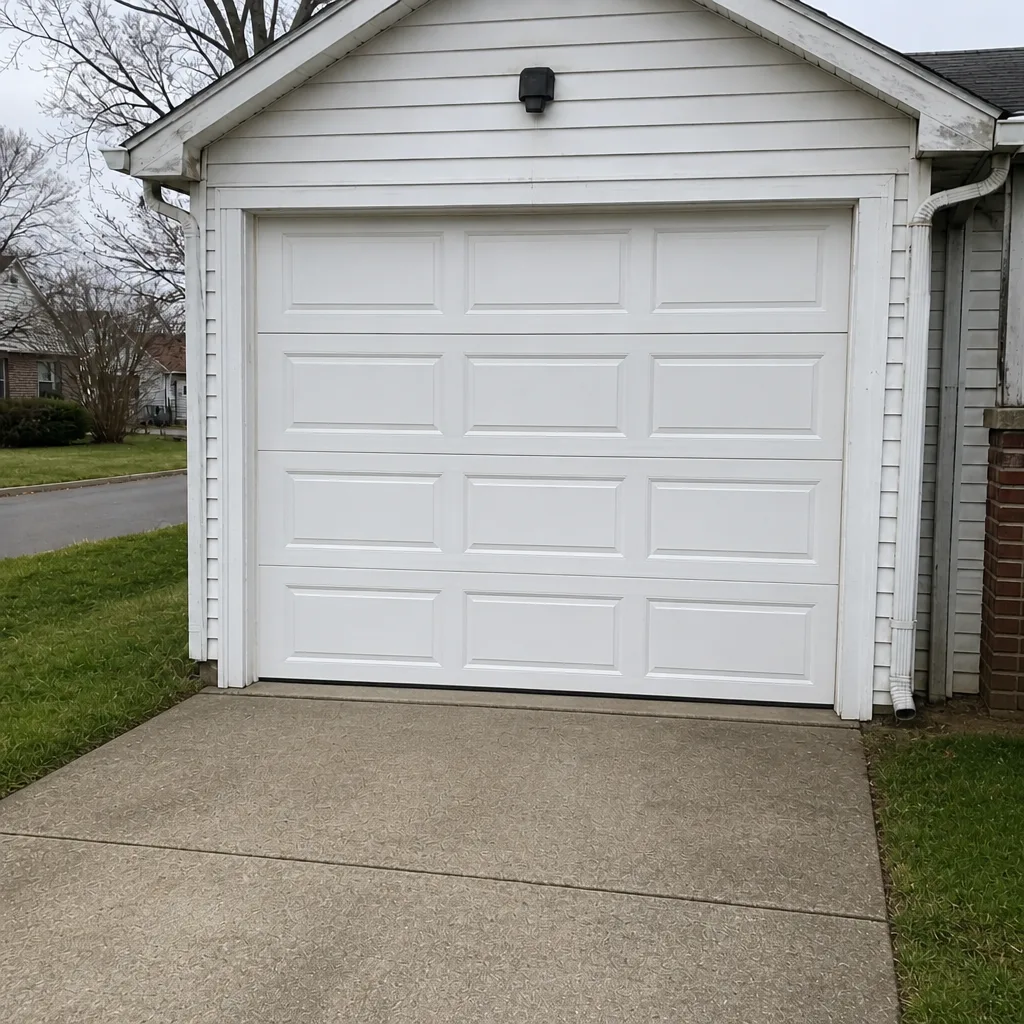
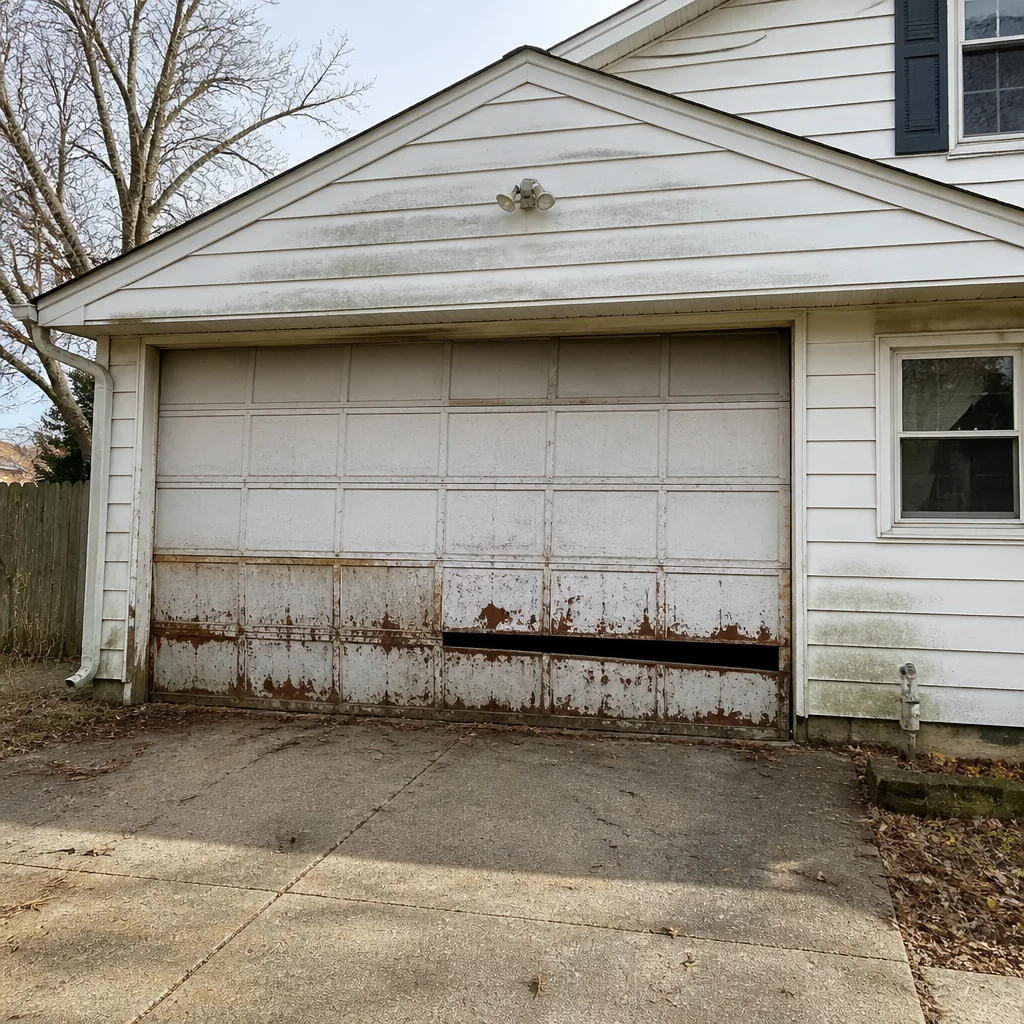
See the difference
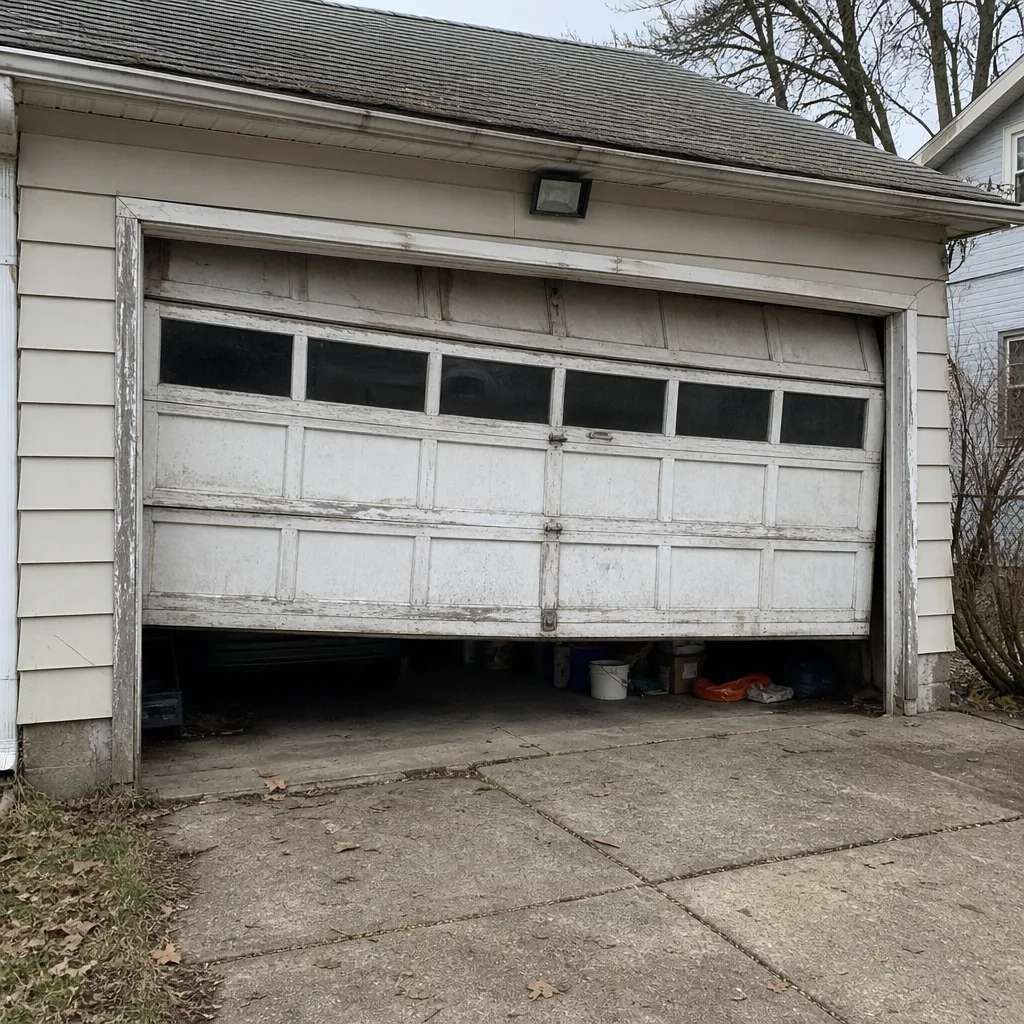 Before
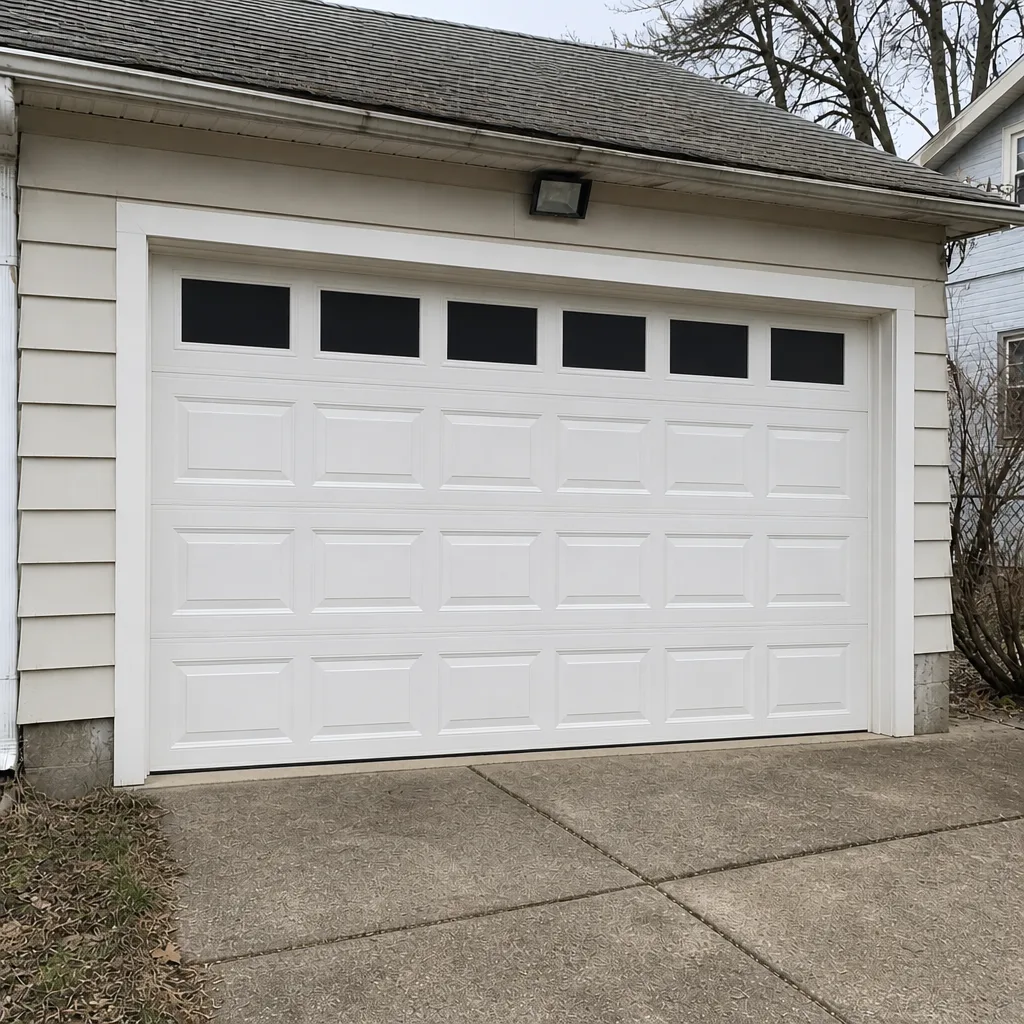 After
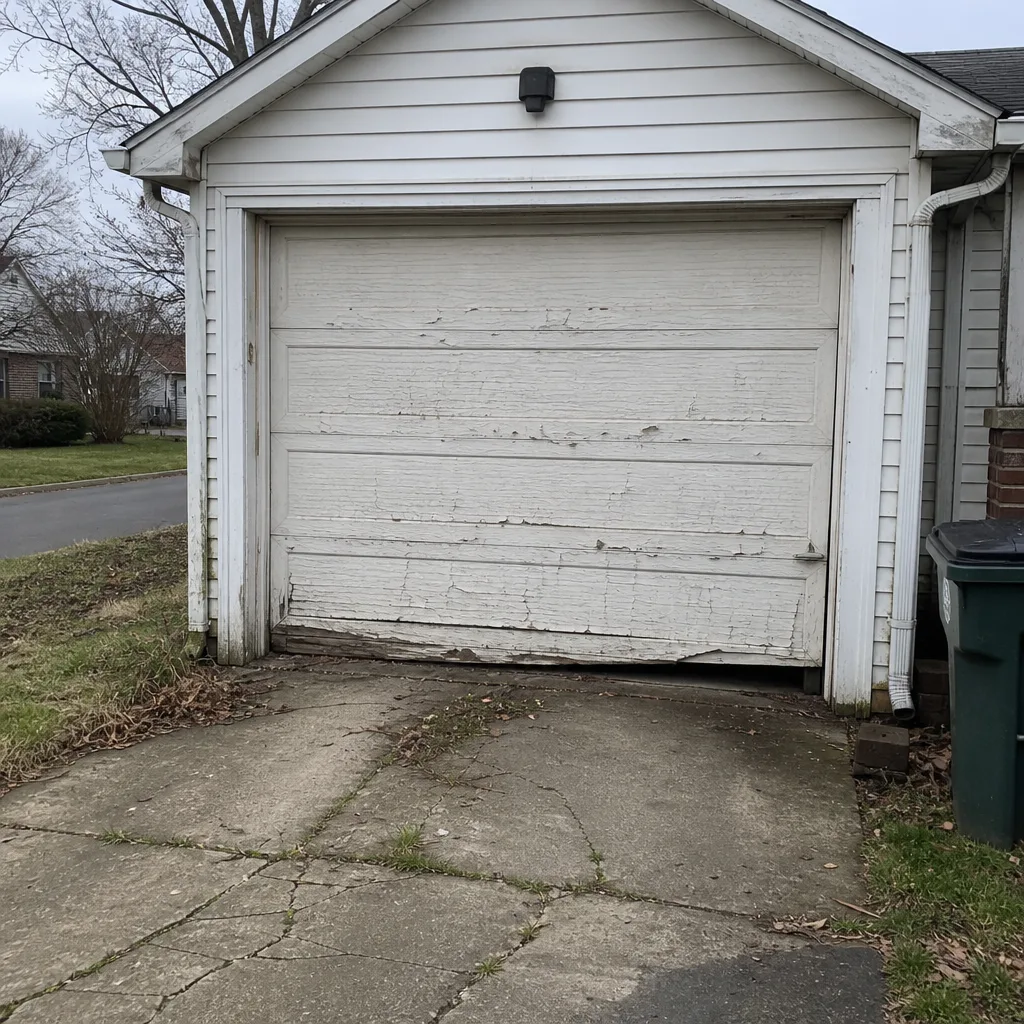 Before
 After
 Before
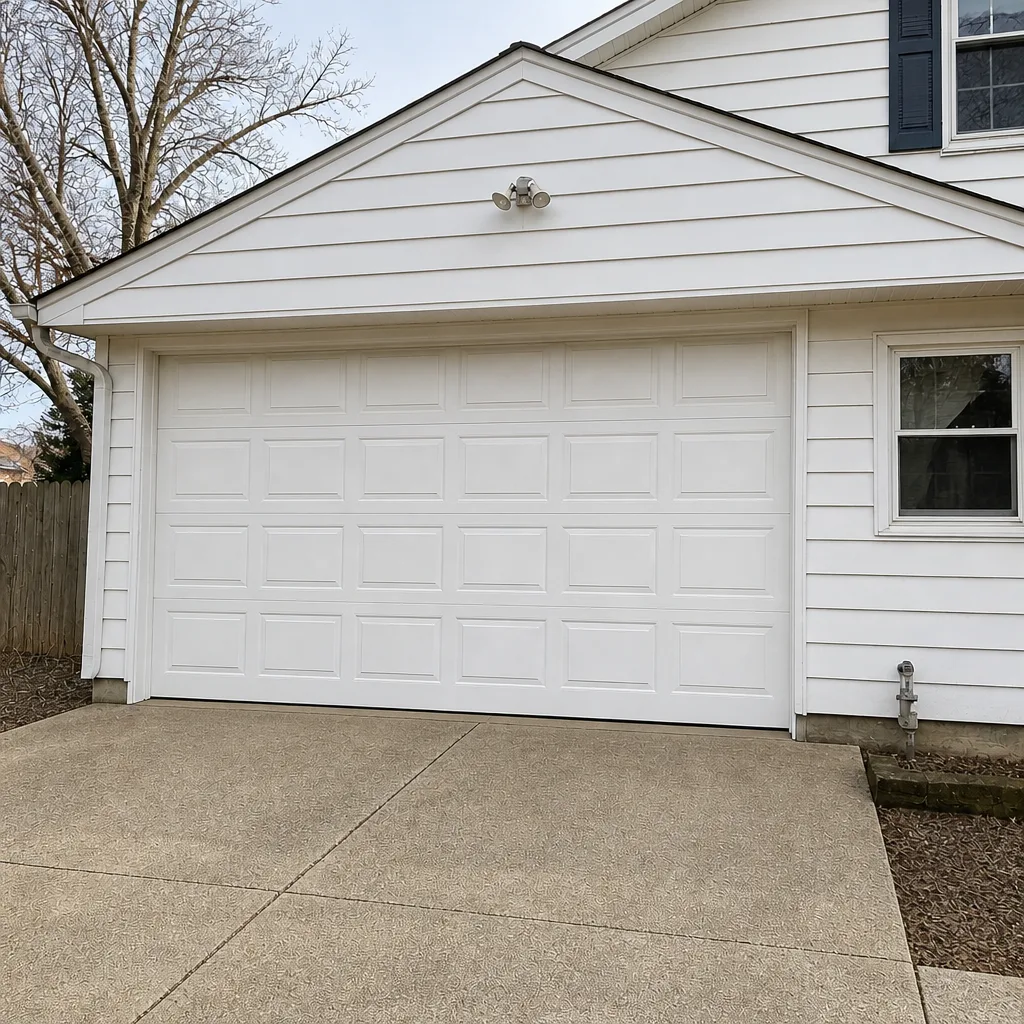 After
Frequently Asked Questions
A garage door in Albany should get a professional tune-up once a year, ideally in spring after the freeze-thaw cycle settles, plus homeowner-level checks in October and April. The annual professional visit covers spring tension measurement, cable inspection, track alignment and opener force settings, which are the areas where a trained eye matters most. Call (866) 942-9116 to book a free estimate.
White lithium grease is the right choice for torsion springs in a cold climate. It holds up below freezing, doesn’t attract much grit and coats the coils evenly. General-purpose oils and heavy greases thicken in the cold and can make the door sluggish. For tracks, use silicone spray, not grease. Call (866) 942-9116 if you’re not sure what’s already on your door.
No. Torsion springs are under extreme tension and can release with enough force to cause serious injury, and the tools and technique aren’t a homeowner job. If the balance test fails or you see a broken spring, leave it alone and call a professional. Call (866) 942-9116 for a free estimate on spring repair.
Late March is when Albany’s freeze-thaw cycle peaks, with temperatures swinging 40 degrees in a single day. A spring that’s been working hard all winter, and that wasn’t lubricated in the fall, loses its temper faster than its cycle rating suggests. The result is a cluster of spring failures in late March. An October lubrication session is the best defense. Call (866) 942-9116 if your door is struggling.
Usually two to five years, depending on how much meltwater the door faces and whether the seal is lubricated or protected. The freeze-thaw cycle cracks rubber faster than steady cold does, so a seal that looks fine in November can be failing by March. Inspect it in October and again in April. Call (866) 942-9116 for a replacement estimate.
Yes, once a year. Homeowner checks catch seal damage, lubrication needs, balance problems and safety sensor faults. A professional visit adds spring tension measurement, cable wear inspection, track alignment and opener force settings, which are the areas most homeowners can’t safely assess. Call (866) 942-9116 to schedule a free estimate in Albany.
The Bottom Line
In Albany, your garage door’s maintenance schedule should follow the seasons, not the calendar quarter. Lubricate and inspect the seal in October, do the balance test in April after freeze-thaw, check track alignment in July when heat expansion peaks, and book a professional tune-up once a year. Use white lithium grease on the springs and silicone spray on the tracks, nothing on the chain, and keep a simple service log so each visit builds on the last. Our technicians have up to 13 years of experience across LiftMaster, Chamberlain, Genie, Clopay, Amarr, Wayne Dalton, Craftsman and Raynor equipment. If the schedule has slipped, or something’s already gone wrong, call Bancroft Garage Door Repair at (866) 942-9116 for a free estimate. We answer 24/7. Fast dispatch from 7am to 7pm, Sunday through Friday.
Written by the team at Bancroft Garage Door Repair.