
Last updated November 16, 2026
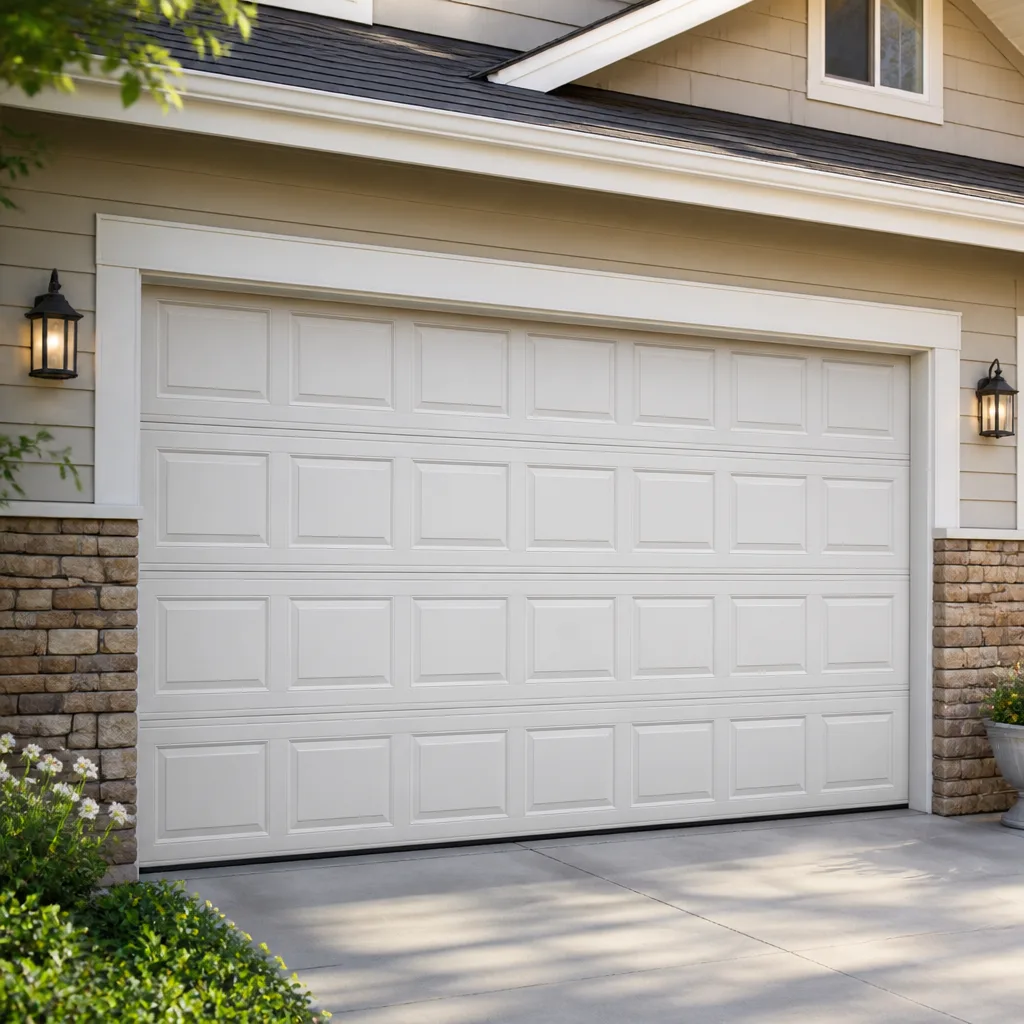 Raised-panel steel
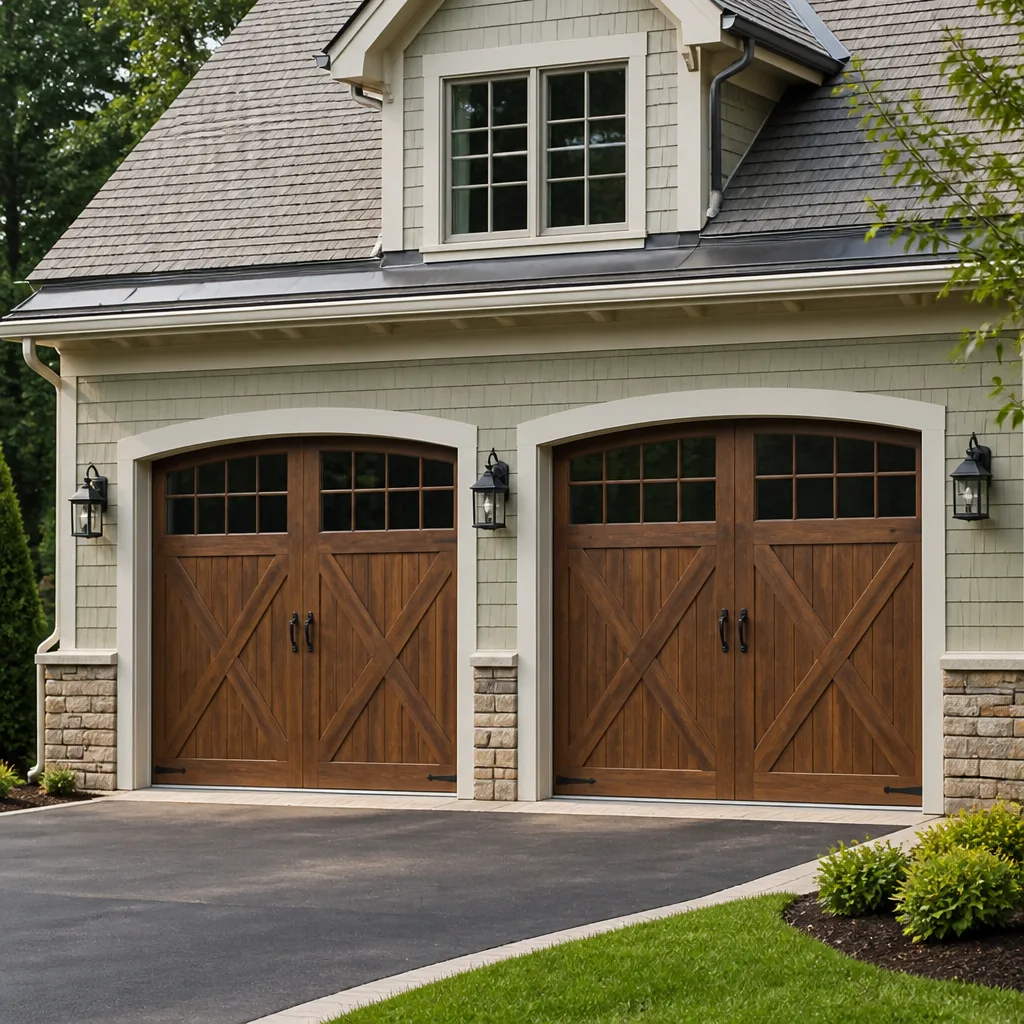 Carriage house
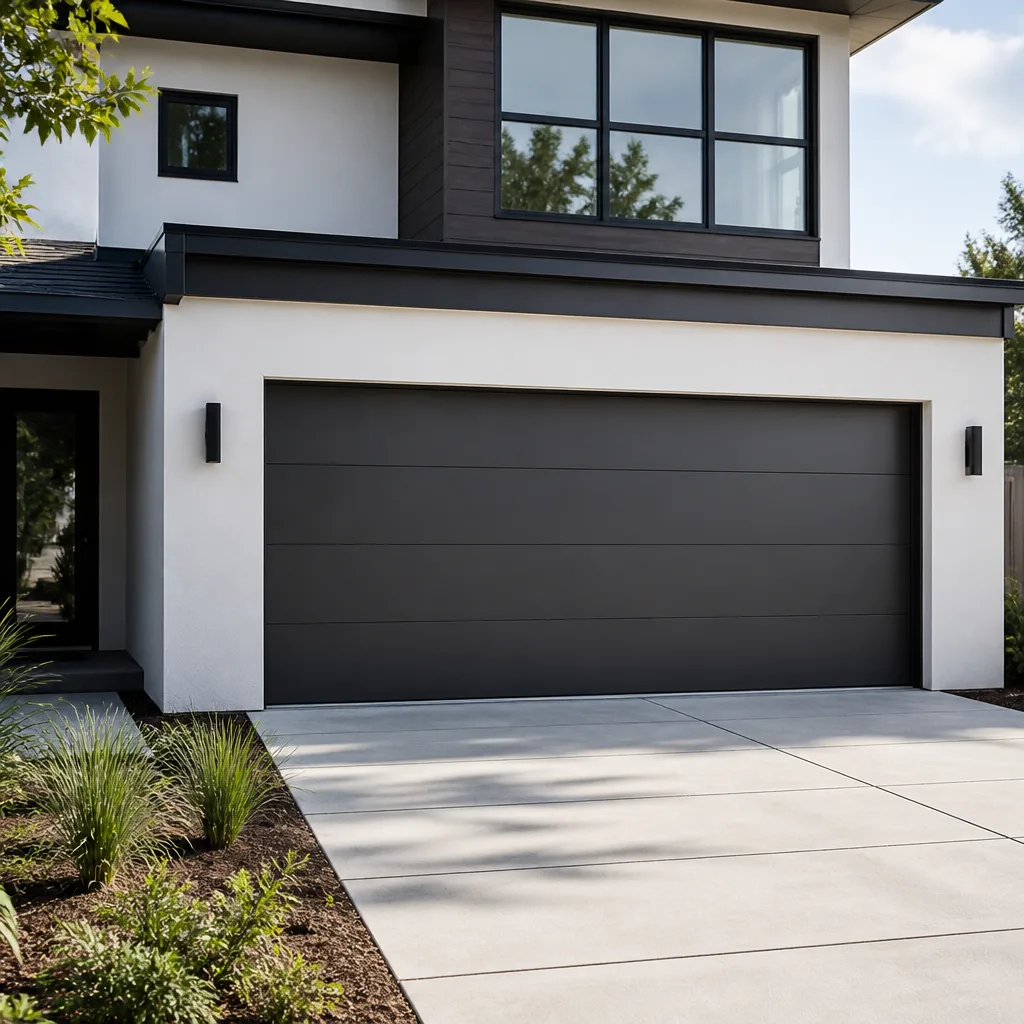 Modern flush
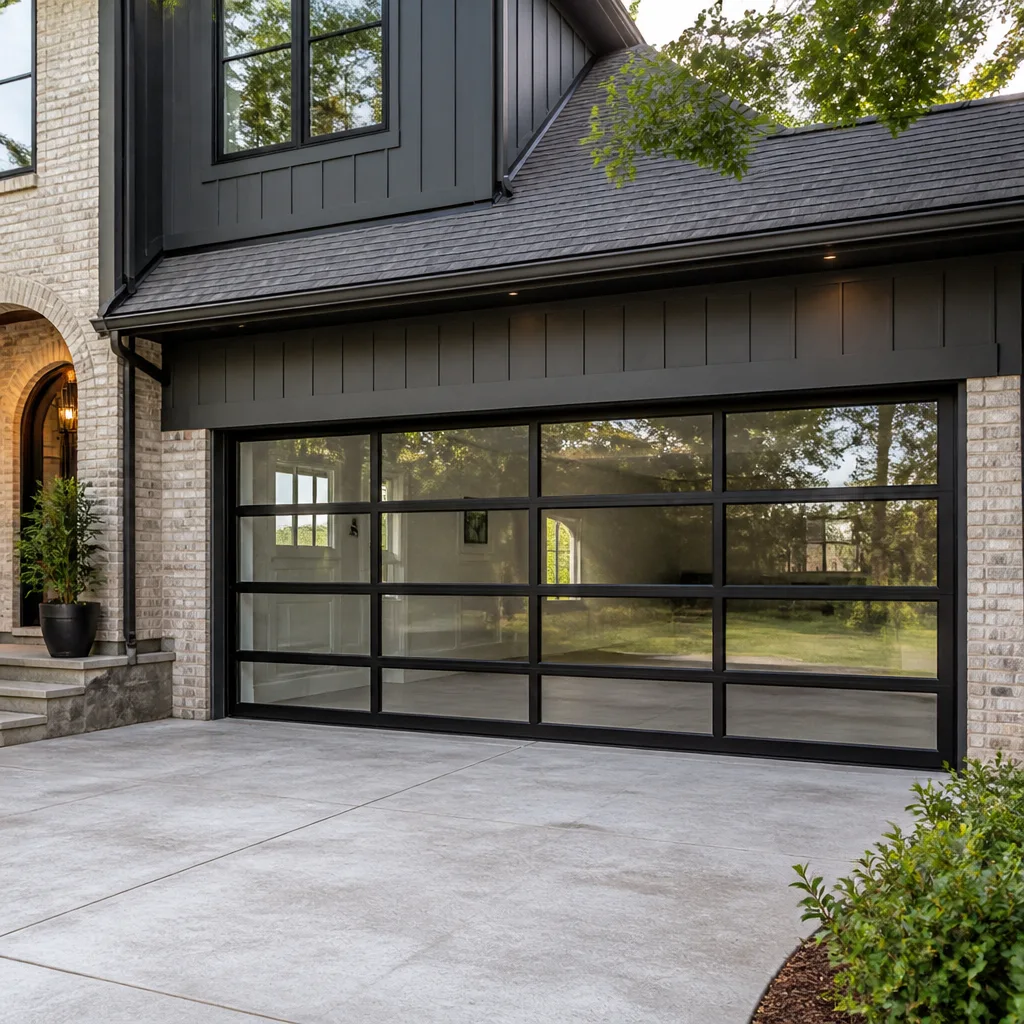 Full-view glass
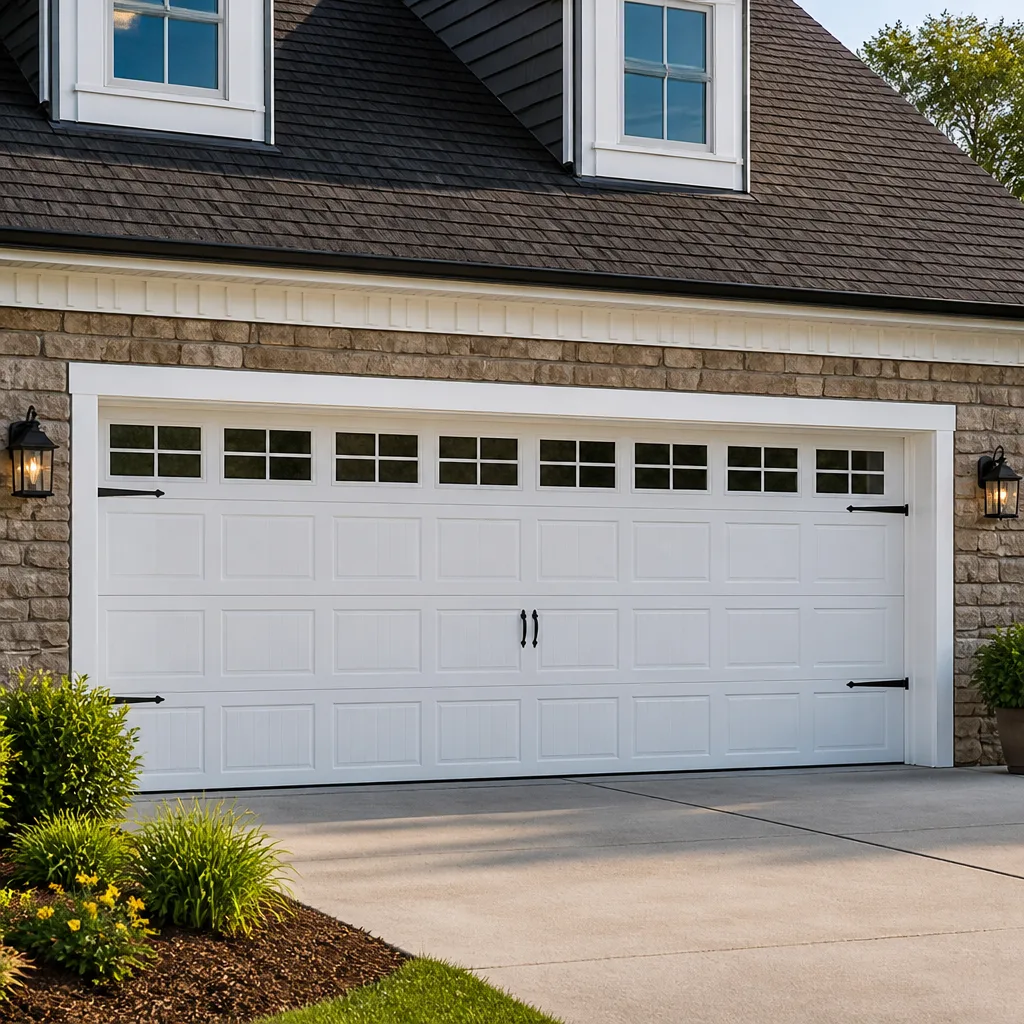 LiftMaster openers
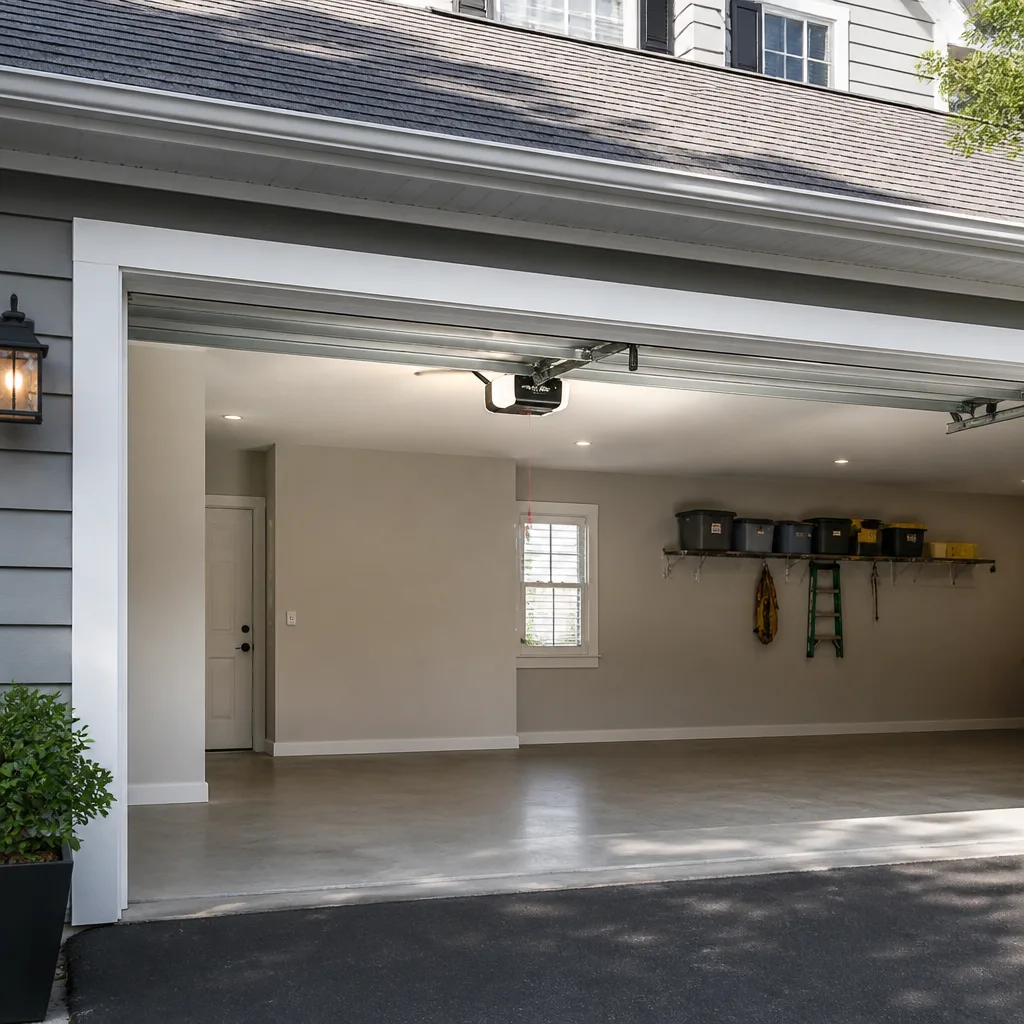 Chamberlain openers
Full 25-point door and opener safety check with every visit - springs, cables, rollers, tracks, and your LiftMaster or Chamberlain opener included
You get a price before we start. It does not change when the pro arrives.
Get your free estimateHow to Hire a Garage Door Contractor in Albany: A Step-by-Step Guide
The cheapest quote you’ll get on a garage door job in Albany often comes from someone who plans to order the part after you say yes. That’s not a knock on price shopping. It’s a fact about how the trade works: a generalist quotes low because the number is a placeholder until the part shows up. Asking one specific question before any technician arrives – “What brands do you carry parts for?” – immediately filters out a large share of the market. If the answer is vague, you’ve learned something useful in ten seconds. This guide walks you through the rest of the process: what credentials actually matter in New York, which questions separate brand-fluent specialists from improvisers, how to read an Albany quote line by line, and when comparison shopping is a waste of your time.
Quick Answer
Hiring a garage door contractor in Albany means verifying three things before work starts: that the company is licensed and insured for the work, that its technicians know your specific door or opener brand rather than “most brands,” and that you have a written quote with labor and parts itemized so the final invoice can’t drift. Get those three in writing, ask two or three brand-specific questions on the phone, and you’ve done the diligence that matters. Everything else is noise.
Styles & brands we work with
- Raised-panel steel
- Carriage house
- Modern flush
- Full-view glass
- LiftMaster openers
- Chamberlain openers
Table of Contents
- Step 1: Know What Kind of Job You Actually Have
- Which Credentials Matter in New York (and Which Don’t)
- Questions That Reveal Brand Fluency
- How to Read an Albany Garage Door Quote Line by Line
- Red Flags Specific to the Albany Market
- When Three Quotes Help – and When They Waste Your Week
- How Albany Weather Affects the Hiring Timeline
- Common Mistakes to Avoid
Step 1: Know What Kind of Job You Actually Have
The hiring process for a broken spring is not the same as the hiring process for a new door. Before you call anyone, sort your problem into one of three buckets, because the questions you ask change with the bucket.
- Repair. The door won’t open, won’t close, hangs crooked, makes a bang, or the opener hums without moving anything. Springs, cables, rollers, tracks, panels. This is the urgent category, and speed matters.
- Opener repair. The door itself moves fine when you lift it by hand, but the motor, remote, wall button, safety sensor, or circuit board is failing. Electronic diagnosis, not mechanical.
- Installation. The door is being replaced or added. Nothing is broken; you’re planning. This work gets measured, ordered, and scheduled, so the timeline is weeks, not hours.
Why does this matter for hiring? Because a company that’s strong on one bucket isn’t automatically strong on the others. A technician who can swap a LiftMaster logic board in twenty minutes may never have installed a Clopay door and its track system from scratch. A crew that installs beautifully may not carry the diagnostic gear to trace an intermittent sensor fault. When you call, describe your problem in the language of the bucket above and listen to whether the person on the phone asks clarifying questions. A specialist who already has a mental model of the failure will ask sharp, specific things: “When you say it hums, is the door locked, or does the carriage look disengaged?” That’s the sound of someone who’s diagnosed this exact failure many times.
For the repair bucket specifically, our garage door repair team handles springs, cables, tracks, and panels; for the electronic bucket, our garage door opener repair service covers LiftMaster, Chamberlain, Genie, and Craftsman units from board-level diagnosis to sensor alignment. Knowing which one to ask for saves you a round trip.
Which Credentials Matter in New York (and Which Don’t)
New York isn’t a state that licenses garage door contractors through a single statewide board the way it licenses electricians or plumbers. That’s the first thing to understand, and it’s why the credential conversation can get very noisy very fast. Homeowners are often shown a laminated card or a logo and told it means everything. Here’s what actually carries legal weight and what is basically decoration.
What matters:
- General liability insurance. Ask for the certificate of insurance and confirm it’s current. If a door panel or track falls on your car or your floor, this is the coverage that responds.
- Workers’ compensation coverage. Springs under tension are dangerous. If a technician is injured on your property and the company has no workers’ comp, the situation can follow you. Ask for proof.
- Local business registration. An Albany-area contractor should be able to show it’s registered to do business in New York State. The NYS Department of State maintains a searchable database of active business entities, and checking takes a minute.
What sounds impressive but carries little weight:
- Badges that look like government seals but say “certified” with no agency name behind them.
- “Manufacturer authorized” claims that no manufacturer will confirm. Ask which manufacturer and call the manufacturer if you want to verify. Brands like LiftMaster and Clopay publish dealer locators.
- “Fully bonded” as a standalone claim with no paper to back it up. The bond, if there is one, should be documented.
Our technicians are trained on both door manufacturers – Clopay, Amarr, Wayne Dalton, and Raynor – and opener drive systems from LiftMaster, Chamberlain, Genie, and Craftsman, because the two hardware categories have to work in sync. That fluency is the credential that shows up on the job, not on a badge. Our technicians have up to 13 years of experience, and we’re happy to talk through what that means for your specific model before you hire us.
Questions That Reveal Brand Fluency
“We work on most brands” is the most common sentence in the trade, and it means nothing. Everyone works on most brands until they run into the one they don’t know. To find out whether you’re talking to a specialist or a generalist, ask questions that can only be answered by someone who’s actually handled your equipment. Keep three or four of these in your phone notes:
- “My opener is a [brand and model]. What should I check first when the remote only works up close?” A brand-fluent tech will name specific components – the safety sensor alignment, the logic board’s learn buttons, the wall control’s lockout – without pausing. A generalist will say “probably the remote battery.”
- “What’s the difference between a torsion and an extension spring system, and which one does my door have?” If the answer is vague, or if the person on the phone can’t explain it clearly, they may not have worked on many spring-driven doors. Both systems fail differently and use different hardware.
- “If my Clopay door needs a new panel, can you source a matching one, and how long does that take?” Panel replacement on a Clopay, Amarr, or Raynor door requires a color and style match, not just a size match. A generalist will often try to talk you into a whole new door instead, because sourcing a matched panel is work.
- “Does the LiftMaster myQ feature on my opener need the internet to work, and what’s lost if it’s offline?” Anyone who installs smart openers regularly will know this cold. Anyone who doesn’t will fumble.
- “What brands do you carry parts for?” This is the filter question, and it’s first for a reason. If the answer is a list of brands, you’re in good shape. If the answer is “whatever’s needed,” you’re talking to someone who orders after the deposit.
You’re not trying to catch anyone out. You’re trying to hear whether they’ve handled your equipment before. In our experience, the right company lights up at these questions and the wrong one changes the subject.
How to Read an Albany Garage Door Quote Line by Line
A garage door quote in Albany should be one page, itemized, and specific. If you get a text that says “spring replacement, $450,” you haven’t received a quote; you’ve received a number. This section breaks down what a real quote looks like and what to check before you sign.
What should be itemized
- Parts, with brand and part number. A torsion spring is not just a spring; it’s a specific wire gauge and length matched to your door’s weight. The quote should say which spring is being installed, and whether it’s one spring or a matched pair.
- Labor, described. “Labor” should mean the work of removing the old part, installing the new, balancing the door, and testing safety features – not a lump sum invented to match a competitor’s price.
- Materials consumed. New drums, new cables, new bearings, and any brackets should be listed separately if they’re being replaced. Some are sold as a kit, some separately, and the quote should say which.
- Disposal. Old springs and doors need to leave your property. That’s sometimes a line item and sometimes included. The quote should say.
What “labor” should and shouldn’t cover
Labor should cover installation and the safety testing that follows: checking that the opener’s auto-reverse works, that the safety sensors trip when blocked, and that the door travels smoothly through its full cycle. What labor should not cover is troubleshooting that isn’t tied to the work you agreed to. If the technician discovers a separate problem while on site – cable fraying on the other side, a bent track – the quote should be amended in writing before the extra work starts, not after.
The one line item that matters most
Ask explicitly whether the price is the final price or an estimate that may change. Get the answer in writing. The best garage door quotes state plainly that the written estimate sets the final price, with any add-ons documented and agreed before work begins. That one sentence protects both sides, and any contractor who won’t put it on paper is telling you something.
Red Flags Specific to the Albany Market
Most hiring advice focuses on universal red flags – no website, no address, no reviews. Those matter, but they’re not what actually trips up Albany homeowners. The failures we see most often are local, seasonal, and specific to how the garage door trade works in this region.
- Seasonal price inflation around storm season. When a big weather system rolls through the Capital Region, demand for emergency repairs spikes. Some companies respond by quoting prices that climb with demand, and some quote high “because everyone else is.” Get two written quotes in the same week if you’re hiring during a storm period, and compare the parts line specifically, not just the total.
- After-hours emergency call padding. A genuine emergency call gets a fair price for the work. A padded one shows up as a vague “emergency fee” on the invoice, or as a price that doubles when you call after dark. We answer 24/7, and the price is set per job by the written estimate – night or day doesn’t change it.
- “We’ll come out and take a look” with no written price. A free estimate means a free written price. If a company sends a technician to “diagnose” and then quotes a number higher than the phone estimate, the estimate wasn’t an estimate.
- Quotes that push a full replacement when a repair would do. This is common in Albany because a lot of older homes have doors that are showing their age cosmetically but are mechanically sound. A reputable company will tell you which one makes sense. A company that only sells doors will tell you what it sells.
- Parts ordered after you say yes. The filter question again. If the technician arrives to fix your Clopay door and doesn’t have or can’t quickly source the panel, the “same day” promise evaporates. A company that works across brands regularly already knows where to get the part.
- No proof of insurance, delivered with confidence. The technician will often say “we’re fully insured” without showing a certificate. That sentence is reassuring and meaningless. Ask for the certificate and check the dates.
When Three Quotes Help – and When They Waste Your Week
The standard advice is to get three quotes. That advice is right for a new door and mostly wrong for a broken spring. Knowing which one you’re doing tells you how much time to spend shopping.
A spring replacement: one good quote is usually enough
Spring work is a commodity. A torsion spring for a standard residential door is a specific part; the labor is predictable; a good technician can quote it accurately over the phone once they know your door’s size and weight (which they’ll ask about). Getting three quotes for a spring replacement often wastes a week while the door stays broken, and the spread between quotes is usually a sign of parts quality differences, not a sign that the cheapest number is a bargain. One question matters: are you replacing one spring or a matched pair? Most technicians will recommend replacing both together, because a matched pair fails at roughly the same time and you don’t want to pay twice. A quote for one spring and a quote for a pair are not comparable numbers, so ask which one you’re looking at before comparing prices.
A full install: three quotes worth the time
A new door is a different job. There are real differences in door quality, brand, insulation, and opener pairing between quotes, and the installation crew matters as much as the product. Three quotes for a new door is time well spent, because the range of what you’ll be offered is wide and the work is scheduled, so there’s no urgency cost. Give yourself a week. Ask each company the same question about the door’s specific construction and the opener that will drive it, and compare on those details rather than on total price alone. The cheapest install often comes with the cheapest opener, and a cheap opener on a heavy door is a service call waiting to happen.
How Albany Weather Affects the Hiring Timeline
Garage door problems aren’t evenly distributed through the year in the Capital Region, and neither is the market’s response to them. The cold months are hard on springs and openers. Winter is when torsion springs and the grease in opener drive systems feel the low temperatures most, and when door seals that were fine in October start letting cold air and moisture in. Homeowners who’ve been putting off a tune-up notice a door that struggles to close in January and call. That means demand rises in the cold months, and the market responds with wait times that stretch.
Installation is different again. If you’re planning a new door, the timing matters more than most homeowners realize, because the work is measured, ordered, and scheduled – and a door that hasn’t arrived yet can’t be installed. If you want a new door in place before the next cold season, the sensible move is to start the process in the shoulder months, when installers have bandwidth and you’re not competing with a queue of emergency repairs.
One more local consideration: older homes in Albany neighborhoods often have non-standard sizes, and a new door can require ordering a size that isn’t in stock. The measure visit is where that surfaces, and it’s why we schedule a measure before quoting an install rather than quoting over the phone. None of this is unique to any one block. It’s the shape of the trade here, and it’s worth factoring into your calendar rather than discovering it in the middle of a cold snap.
Common Mistakes to Avoid
- Hiring on price alone for a spring repair. The lowest number often reflects the cheapest spring on the market, and the difference shows up two winters later. Ask what spring is being installed and whether it’s a pair.
- Not asking for the certificate of insurance up front. Waiting until after the work starts means you’ve lost the leverage to check. Ask before the technician is dispatched.
- Assuming “we work on all brands” means they know your model. It usually means they’ll figure it out on the job. Ask a brand-specific question on the phone and see whether the answer is fluent.
- Getting three quotes for a broken spring. The spread between quotes is noise when the work is a commodity. One honest quote from a brand-fluent company beats three that delay the fix.
- Signing off on a verbal estimate. A verbal number isn’t a quote. Ask for it in writing, with parts and labor itemized, before anyone starts.
- Paying for an after-hours premium you didn’t agree to. An emergency call is a legitimate reason to call, but the price should be quoted before the technician arrives and should match the written estimate.
- Replacing the door when the opener is the problem. A door that moves by hand but won’t open with the opener is an opener problem. Get a diagnosis before you agree to replace anything.
See the difference
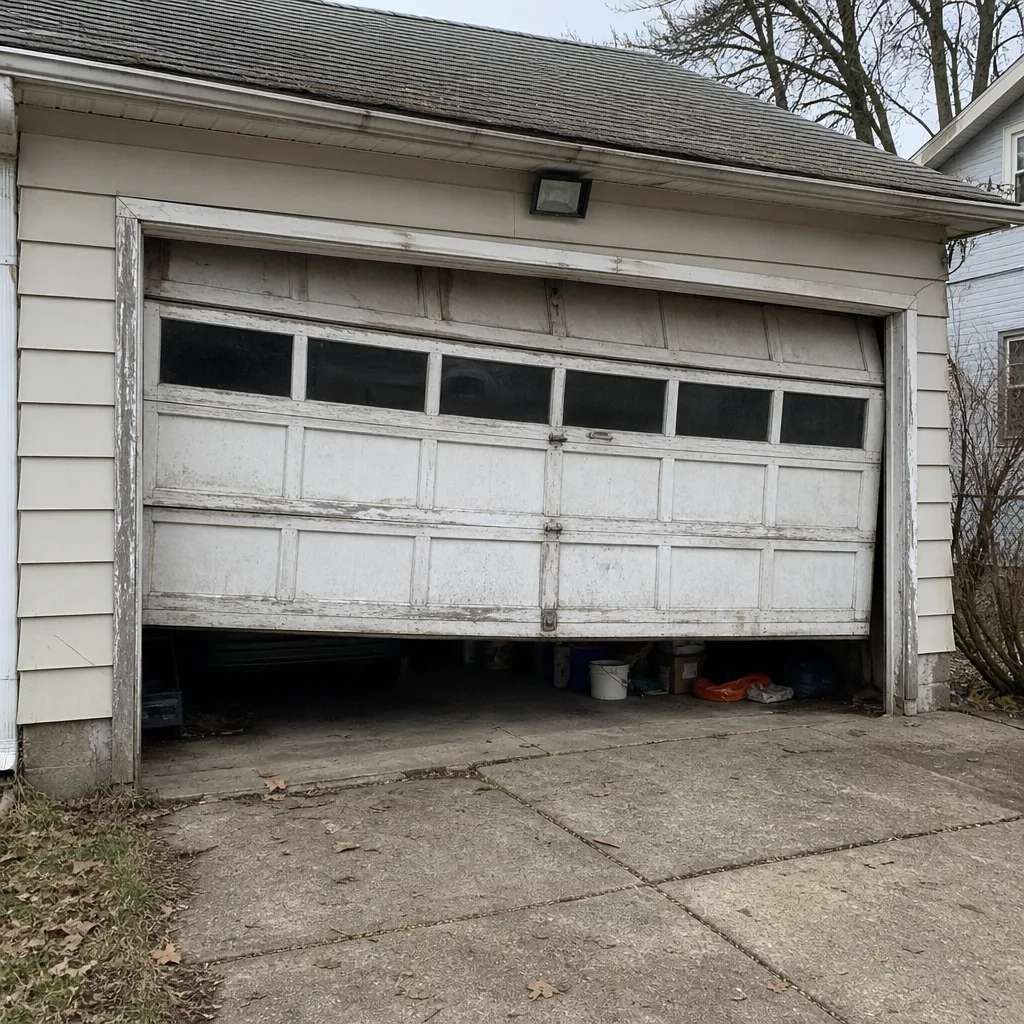 Before
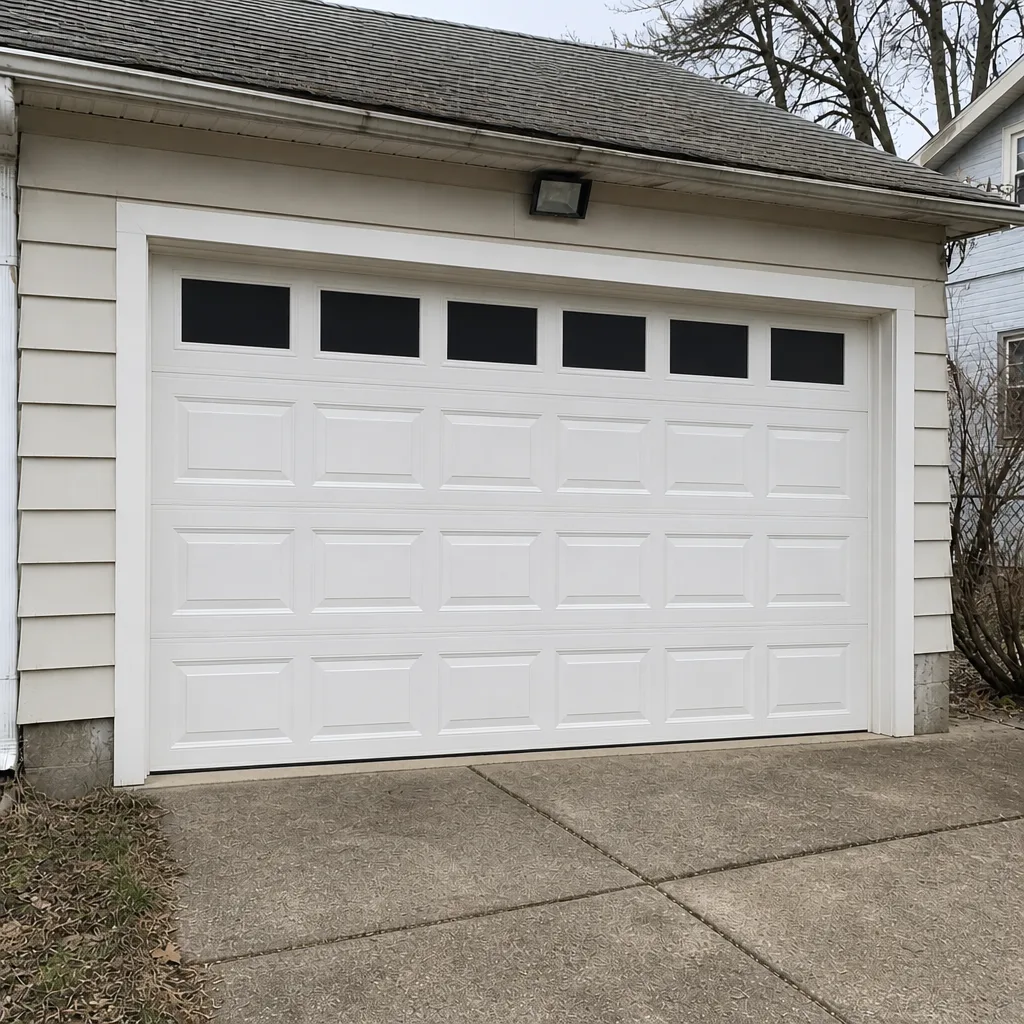 After
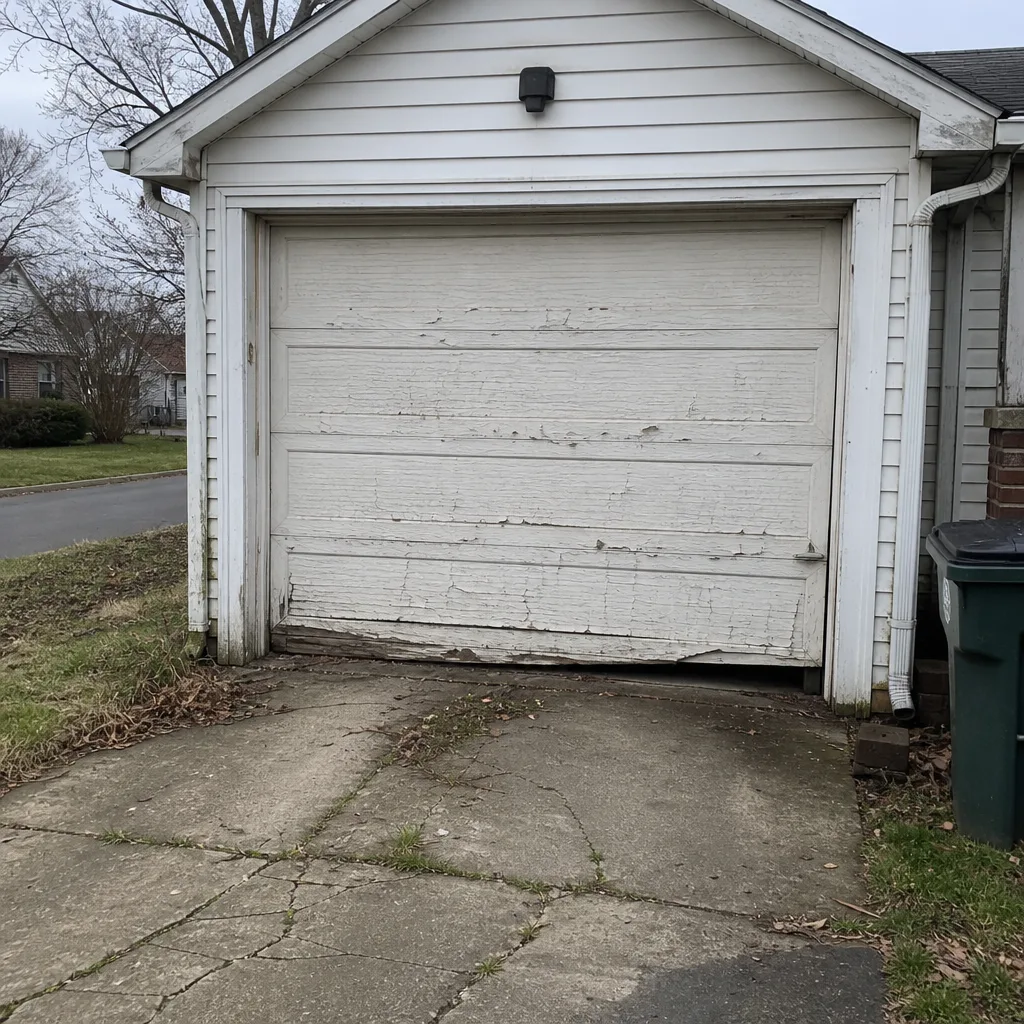 Before
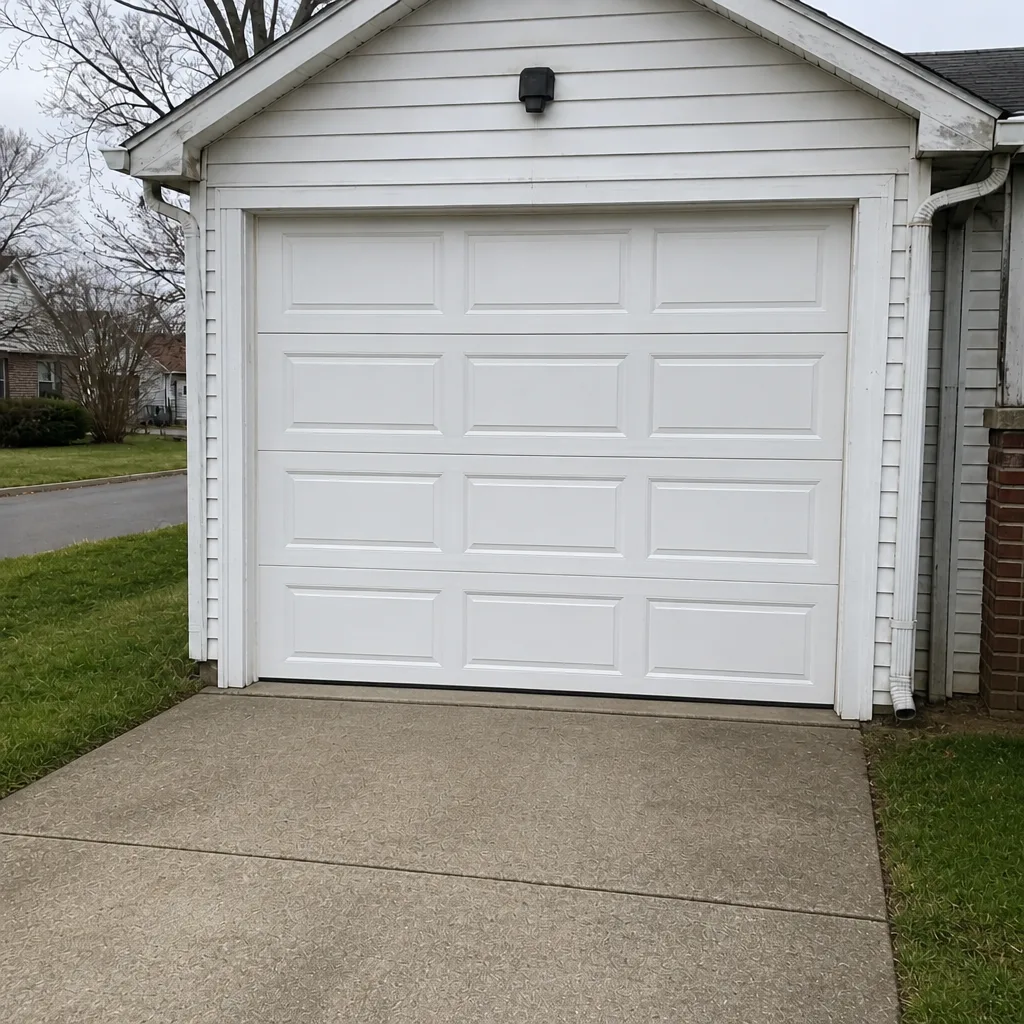 After
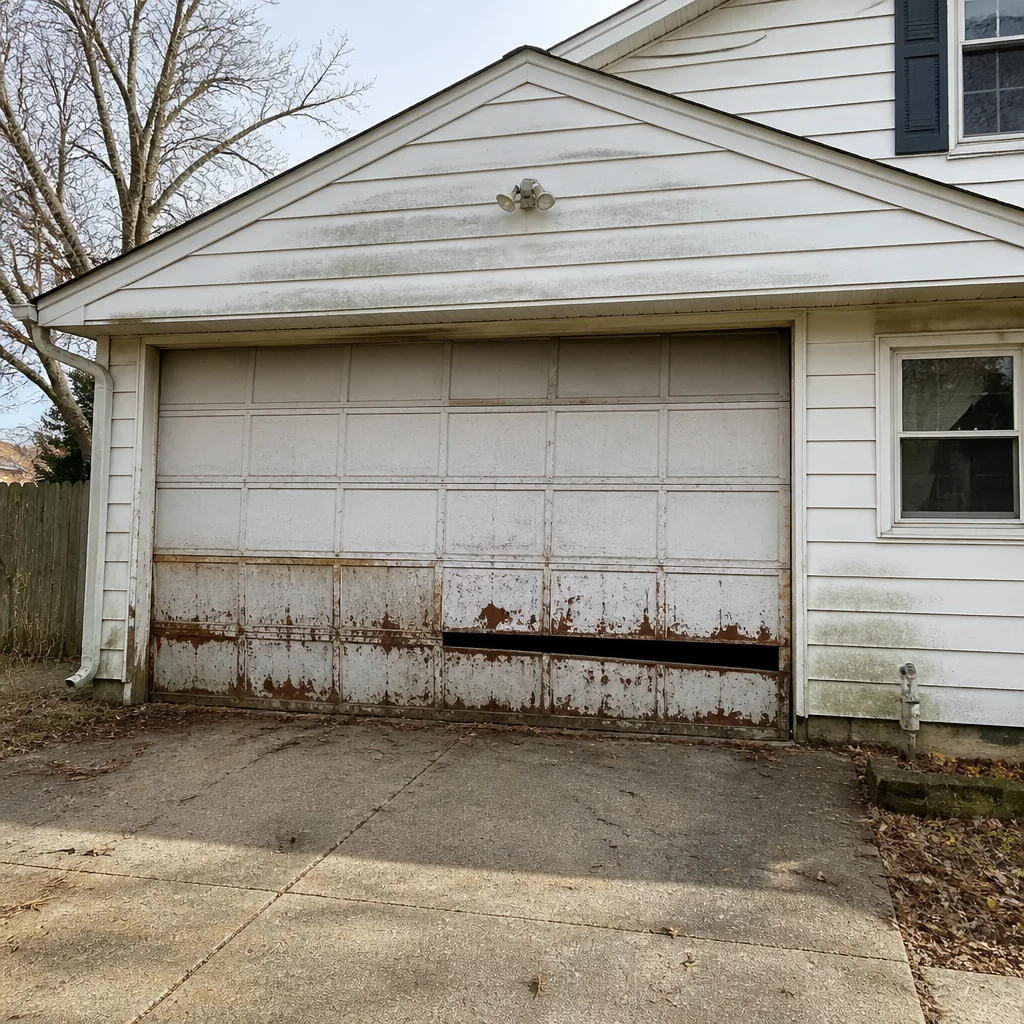 Before
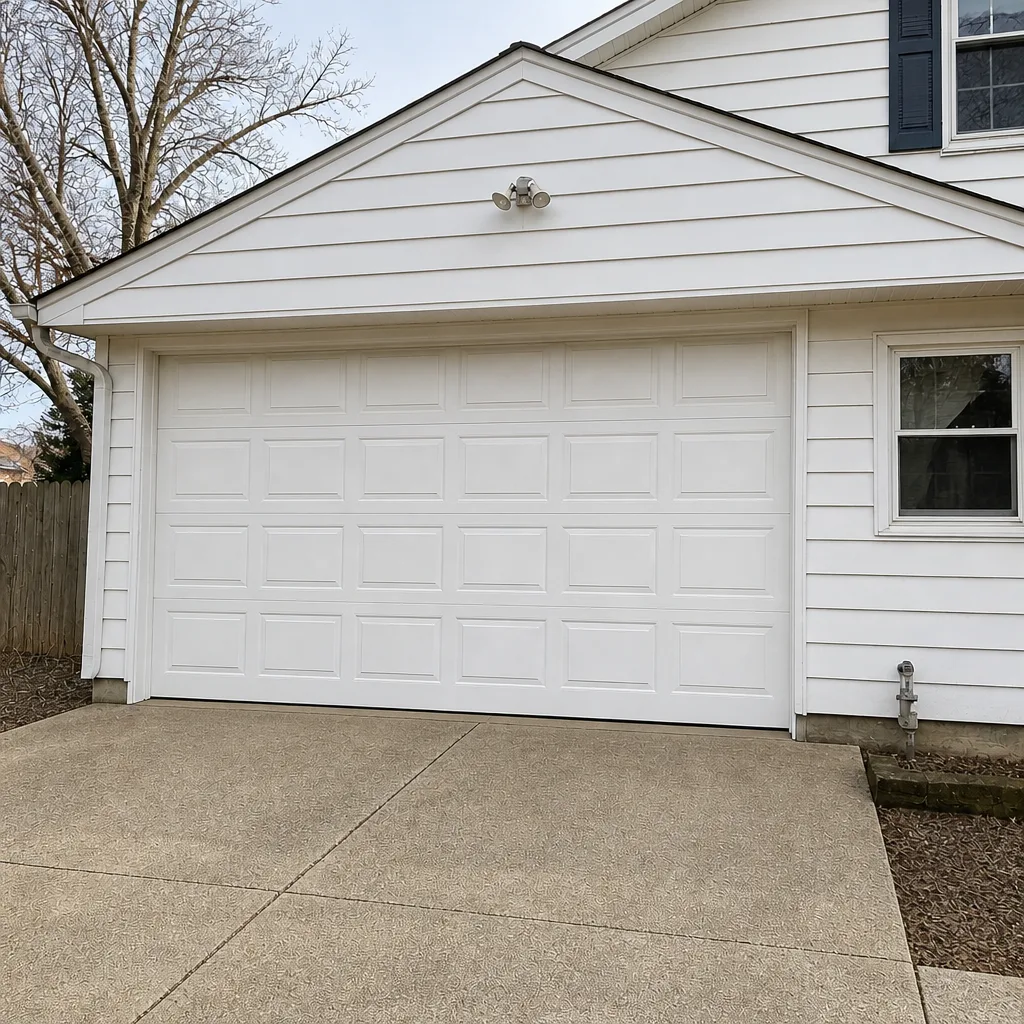 After
When to Call a Professional
Some garage door problems are cosmetic and can wait a few weeks. Others are dangerous and shouldn’t wait a day. Call a professional if the door is stuck open or stuck closed, if you’ve heard a loud bang from the spring area (a torsion spring breaking is one of the loudest sounds a house makes), if a cable is visibly fraying or hanging loose, if the door is off its track or visibly crooked, or if the opener runs but the door doesn’t move. Springs and cables are under extreme tension and are the one part of the system that should never be touched by anyone without training and the right tools; a wound torsion spring can cause serious injury. If you’re unsure whether your problem is in the mechanical or electronic half of the system, that’s a diagnosis question, and it’s one we’re happy to answer on the phone. Bancroft Garage Door Repair offers free estimates in Albany – call (866) 942-9116. We answer 24/7. Fast dispatch from 7am to 7pm, Sunday through Friday.
Frequently Asked Questions
It depends on the door and the spring configuration, but the written estimate you receive is the price; we quote before any work starts. A matched pair of springs costs about twice a single spring, and most technicians recommend replacing both together because they fail at similar times. Call (866) 942-9116 for a free written estimate. We answer 24/7.
New York doesn’t license garage door contractors through a single statewide board, so the credentials that matter are general liability insurance, workers’ compensation coverage, and active business registration with the NYS Department of State. Ask for proof of insurance and check the business registration before hiring. Our technicians are licensed and insured; ask us for the certificate before any work starts.
Often, yes – spring, cable, and opener repairs are frequently completed same day when the part is on hand. Call (866) 942-9116 and describe the problem; we can tell you on the phone whether it’s a same-day repair or needs a scheduled visit. We answer 24/7. Fast dispatch from 7am to 7pm, Sunday through Friday.
It shouldn’t. A written estimate establishes the price, and any additional work needed is quoted and agreed in writing before it begins. If a technician finds a problem the phone call didn’t reveal, you’ll see the amended quote before work starts. Call (866) 942-9116 for a free written estimate.
You want a contractor who’s fluent in the brand you already own, not one who works on “most brands.” The major residential brands in the Capital Region include LiftMaster, Chamberlain, Genie, Clopay, Amarr, Wayne Dalton, Craftsman, and Raynor, and a specialist should be able to speak to your model specifically. Ask a brand-specific question on the phone and see whether the answer is fluent.
Our technicians are licensed and insured, and we’re happy to provide documentation of coverage before any work begins. If a company can’t produce a current certificate of insurance and proof of workers’ comp, that’s your signal to keep looking. Call (866) 942-9116 to ask about coverage for your specific job.
The Bottom Line
Hiring a garage door contractor in Albany comes down to three checks and one conversation. Verify insurance and business registration before anyone is dispatched. Ask a brand-specific question on the phone to see whether you’re talking to a specialist. Get a written, itemized quote and confirm that the estimate sets the final price. Then match your effort to the job: one honest quote for a broken spring, three for a new door. Companies like Bancroft Garage Door Repair work on eight major brands – LiftMaster, Chamberlain, Genie, Clopay, Amarr, Wayne Dalton, Craftsman, and Raynor – and garage doors are all we do. If you’re in Albany and need a repair, an opener diagnosed, or a new door measured, we can help.
Contact Us
Call (866) 942-9116 for a free estimate on garage door repair, opener repair, or a new installation in Albany. Describe the problem over the phone and we’ll tell you whether it’s a same-day repair or a scheduled measure, and what to expect on pricing. We answer 24/7. Fast dispatch from 7am to 7pm, Sunday through Friday.
Written by the team at Bancroft Garage Door Repair.