
Last updated November 16, 2026
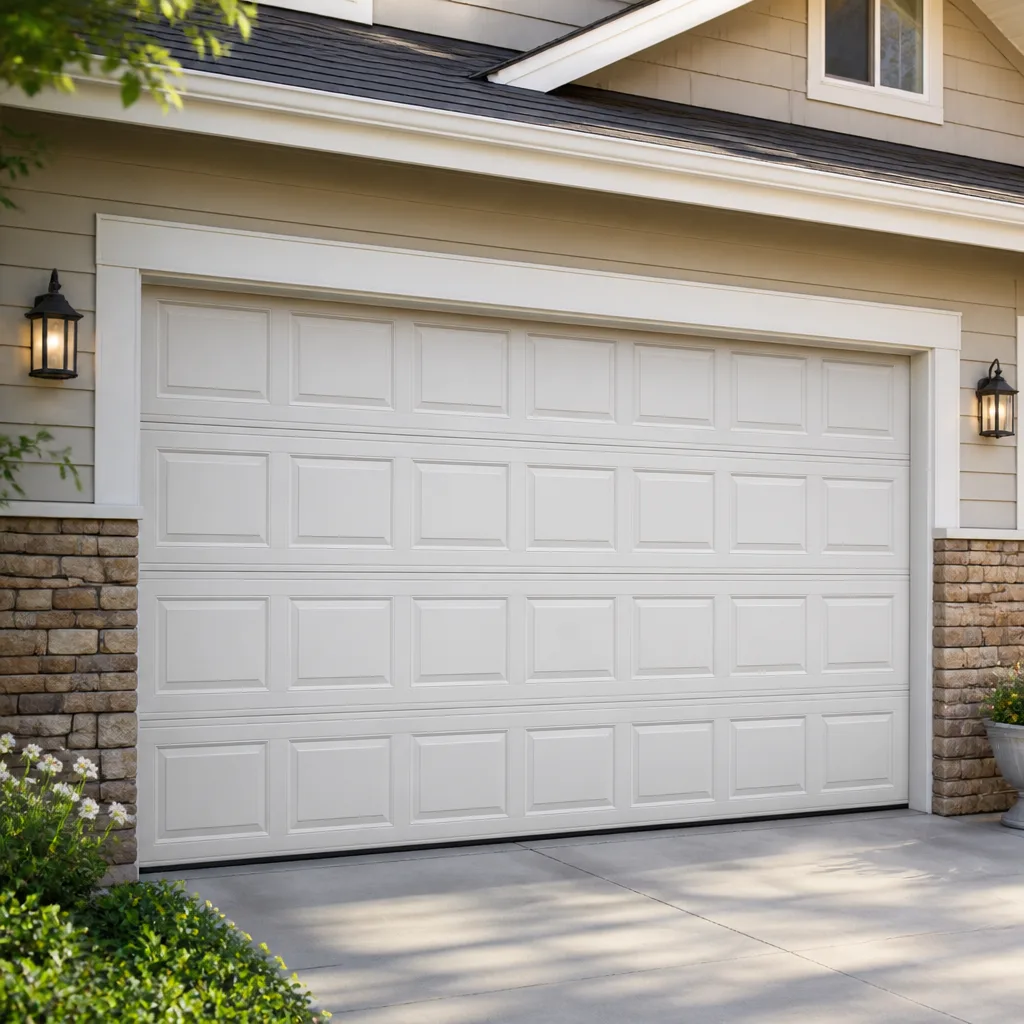 Raised-panel steel
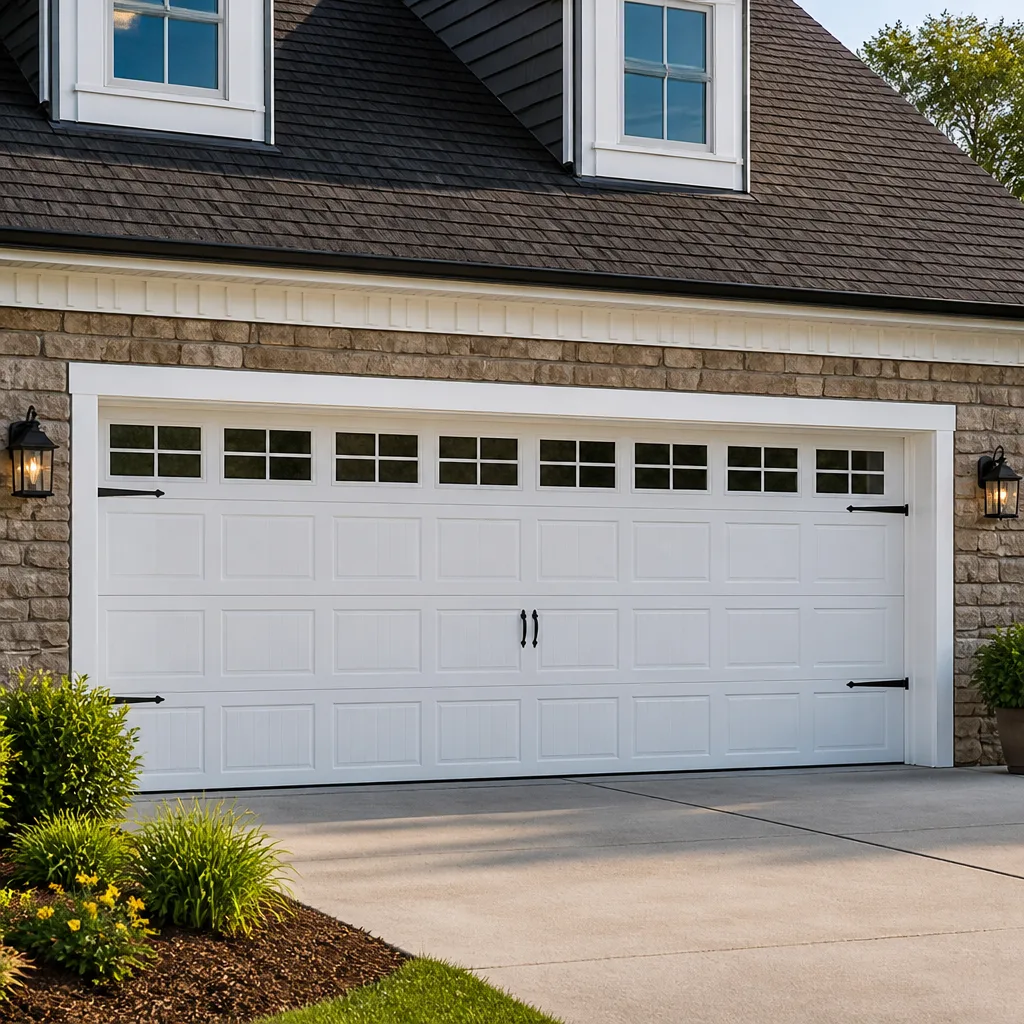
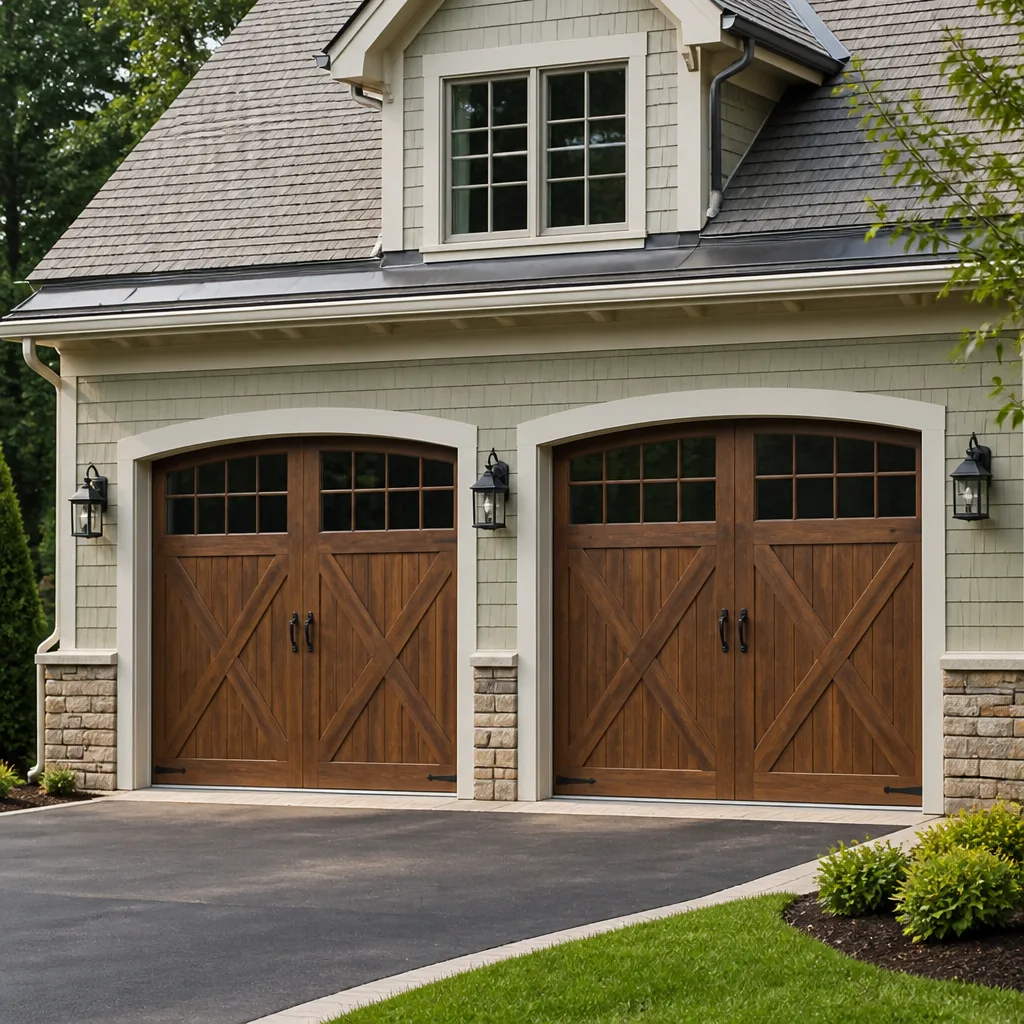 Carriage house
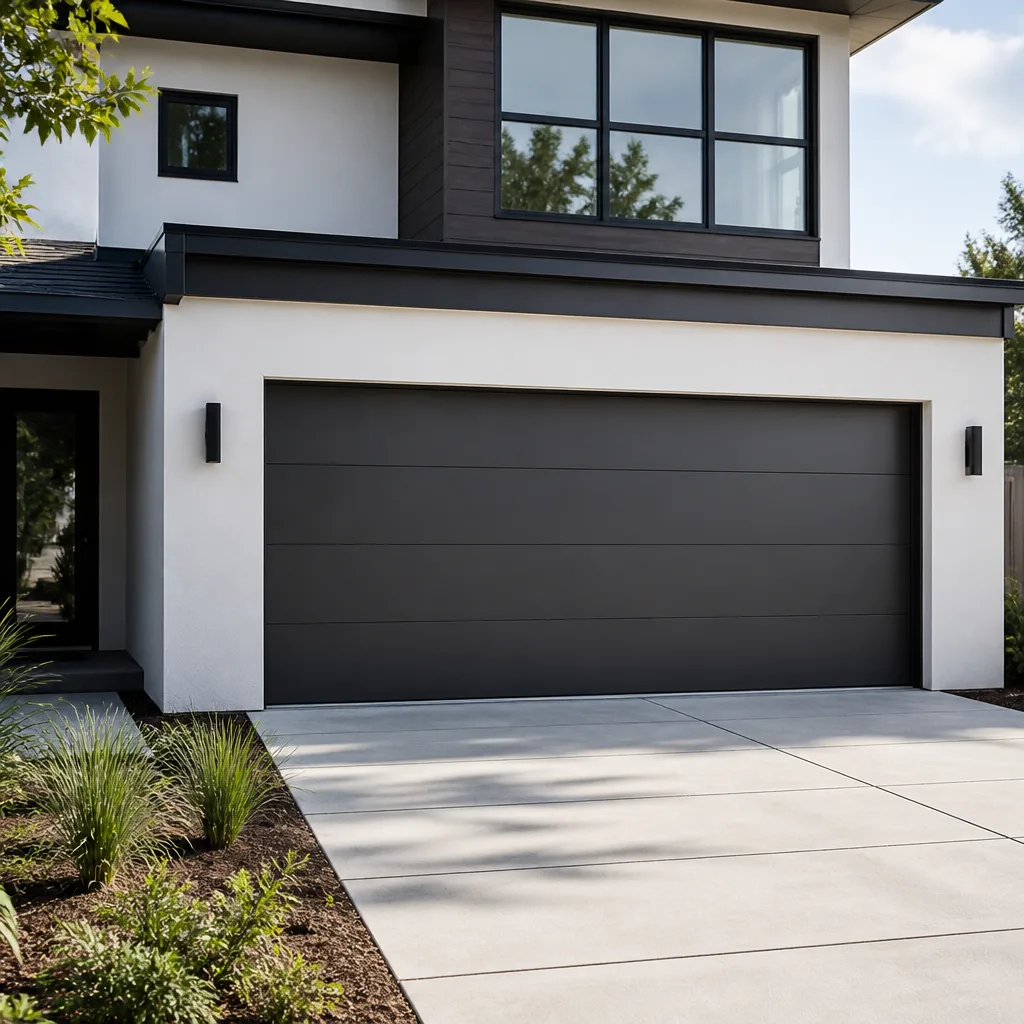 Modern flush
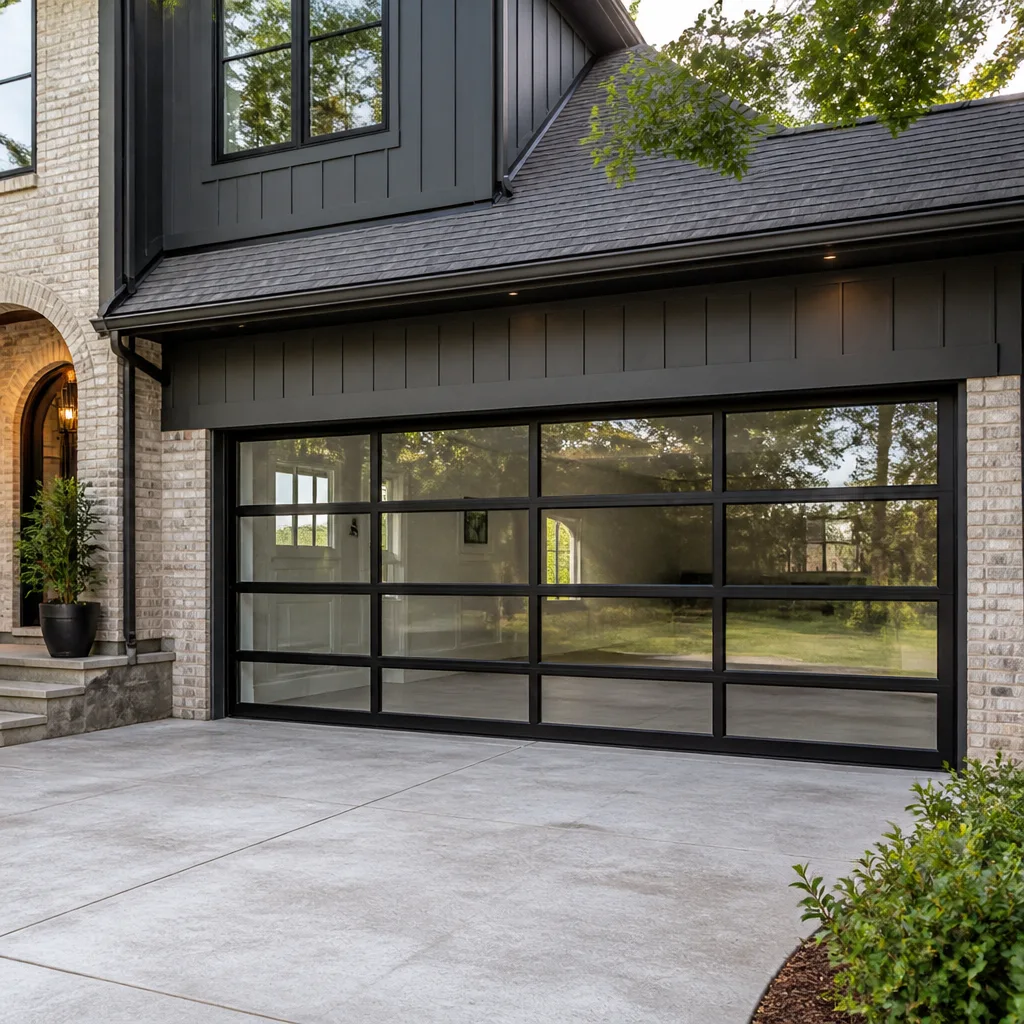 Full-view glass
 LiftMaster openers
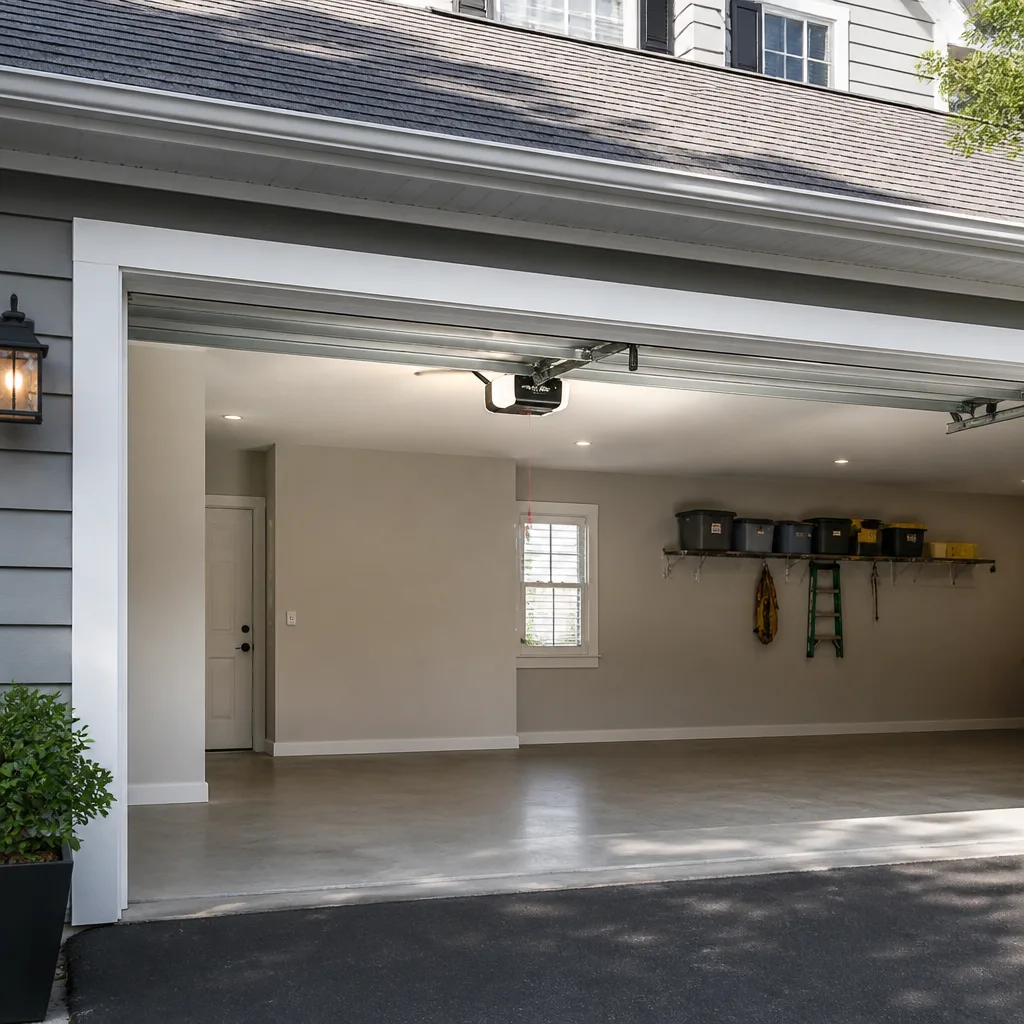 Chamberlain openers
Full 25-point door and opener safety check with every visit - springs, cables, rollers, tracks, and your LiftMaster or Chamberlain opener included
You get a price before we start. It does not change when the pro arrives.
Get your free estimateDIY vs Professional Garage Door: The Albany Homeowner’s Decision Guide
Most homeowners in Albany assume the DIY-or-professional question comes down to skill. It doesn’t. It comes down to physics. A garage door is a sequence of high-tension components balancing a heavy paneled slab, and a few of those components carry stored energy that can maim a careful person in a fraction of a second. Everything else on the door – the lubrication, the sensors, the remotes, the drum of the opener – is a conversation. In this guide we’ll separate the two, walk through Albany permit rules for full-door replacement, explain why a replacement panel often fails to match on older housing stock, and show you what a good diagnostic visit should tell you.
Styles & brands we work with
- Raised-panel steel
- Carriage house
- Modern flush
- Full-view glass
- LiftMaster openers
- Chamberlain openers
Quick Answer
Lubrication, safety-sensor alignment, and opener remote programming are doable for a careful Albany homeowner. Torsion spring replacement, cable work, and track realignment are not – the stored mechanical energy makes them genuinely dangerous without proper tooling and training. Full door replacement on an attached garage almost always requires a permit from the City of Albany, and mismatched panel profiles are the most common self-install failure we see. When in doubt, a professional diagnostic is the cheapest way to find out which category your job belongs to.
Table of Contents
- The Physics Behind the DIY/Professional Line
- Task-by-Task: What You Can DIY and What You Can’t
- What to Do Step-by-Step When the Door Won’t Close
- Albany Permits and Self-Installation on Attached Garages
- The Hidden Cost of DIY Panel Replacement in Older Albany Housing
- Parts You Can Buy and Parts Manufacturers Restrict
- Using a Diagnostic Visit as a Decision Point
- How Albany Climate Affects Wear
- Common Mistakes to Avoid
- When to Call a Professional
- Frequently Asked Questions
- The Bottom Line
The Physics Behind the DIY/Professional Line
A torsion spring on a typical residential door holds enough tension to launch itself across a two-car bay if it’s released without the proper winding bars and technique. That’s not a scare tactic. It’s the mechanical reason the U.S. Consumer Product Safety Commission has long flagged spring replacement as one of the garage door tasks that sends thousands of homeowners to emergency rooms each year. The spring is the only component on the door that carries stored energy even when the door is fully closed and sitting still.
Extension springs, common on older doors around Albany’s Center Square and Delaware Avenue neighborhoods, carry the same stored energy but release along a different axis. On systems without a safety containment cable, the spring can travel when it breaks. Torsion and extension springs both belong in the “trained professional only” category – not because a skilled homeowner couldn’t physically turn a winding bar, but because the margin for error is measured in inches and the consequences are irreversible.
Cables carry tension too, but they’re the second layer of stored energy – they’re what actually lifts the door once the spring has done its work. A cable under load that slips its drum will slice through a gloved hand. Track realignment involves the door’s entire weight shifting unpredictably. These are the three locked doors on the garage: springs, cables, and tracks. The rest of the system – openers, sensors, panels, hinges, rollers – is where homeowners can legitimately work.
We’ve seen the aftermath of home spring replacement in Albany more than once, and it’s never the spring that’s the problem afterward. It’s the door out of balance, the opener stripped, or a panel twisted from an uneven load. For a deeper look at which repairs are best handled where, see our page on garage door repair.
Task-by-Task: What You Can DIY and What You Can’t
Here’s how we break down the actual list. If a task appears under the DIY column, a careful homeowner with basic tools and patience can handle it. If it’s under professional, the physics reason is listed so you know why – not so you can decide to ignore it.
Legitimate DIY tasks
- Lubricating rollers, hinges, and springs: A garage-door-specific lubricant on metal-on-metal contact points extends the life of the door and quiets it noticeably. No stored energy is inside your reach when you do it.
- Safety-sensor alignment: The two photocells near the floor should face each other and light up steady. If one is blinking, the sensor’s beam is broken or misaligned. Straightening the bracket with a screwdriver is fine.
- Opening the sensor’s path: If the sensor is physically fine but the door reverses at 4 inches off the floor, sweep out a leaf, a box, a snow shovel a teenager left in the wrong place. This is the single most common reason doors reverse.
- Programming a remote to a LiftMaster or Chamberlain opener: Both brands use clear programming sequences listed in the opener’s manual or on the opener housing itself. There’s no stored energy involved.
- Replacing the opener’s battery in the wall button or remote: Straightforward and safe.
- Tightening the bolts on the door’s hinges and brackets: If a bolt has backed out, snugging it back down with a socket wrench prevents annoying rattles.
Professional-only tasks
- Torsion spring replacement: Stored energy in a wound spring. Winding bars are specific tools, and the tension has to be matched to the door’s actual weight.
- Extension spring replacement: Same stored energy, different axis. Always paired with a containment cable.
- Cable replacement or realignment: The cable is the tension carrier between the spring and the door. A slipping cable at the drum is a cutting hazard.
- Track realignment: The door’s full weight shifts during this work, and a door resting on a bent track can drop or bind unpredictably.
- Panel replacement: Not because the work is dangerous, but because the wrong-size panel load-balances the entire door incorrectly – more on that below.
- Opener motor or board replacement: Electrical wiring inside the opener housing, plus a door that may need spring adjustment to match the new drive strength.
- Full door replacement: Permit territory, weight territory, and spring-winding territory in a single job.
If your door has stopped working and you can’t tell which category you’re in, our team at Bancroft Garage Door Repair works on the full system – from springs and cables to smart openers and circuit boards – so a diagnostic visit can settle the question in one stop. For opener-specific issues, our garage door opener repair service page walks through the electronics side.
What to Do Step-by-Step When the Door Won’t Close
Before calling, walk these steps. They’ll either solve the problem in five minutes or tell a technician exactly what’s wrong when you do call. Do not manually lift or force a door with a broken spring – stop at step 3 if you hear the snap.
- Look at the safety sensors. Two small pods at the bottom of the tracks near the floor. Each should have a steady LED. If either one blinks or is dark, the door won’t close because the opener thinks something is in the way. Clean the lens, straighten the bracket, and test.
- Check the wall button. If the wall button doesn’t respond but the remote does, the wall wiring or the button is the problem. If neither responds, the opener has lost power, tripped its internal breaker, or the board has failed.
- Listen for the opener. If you hear the motor run but the door doesn’t move, the drive is disconnected – either the manual release is pulled or the gear/coupler is stripped. If you hear a loud snap followed by a slack door, stop here. A spring has broken.
- Look at the tracks. Any visible bend or dent at the curve where horizontal track meets vertical is enough to bind the door. Don’t try to hammer it straight yourself.
- Inspect the door’s balance. With the door closed and the opener disconnected, lift the door halfway by hand. A balanced door stays in place. A door that falls back down has spring tension problems.
- Check the opener’s error light. A LiftMaster or Chamberlain opener will flash its light a specified number of times to indicate a fault code. Note the count before you call – it saves diagnostic time.
If steps 1 and 5 didn’t solve it and step 3 produced a snap, you’re done with DIY. Call (866) 942-9116. We answer 24/7. Fast dispatch from 7am to 7pm, Sunday through Friday.
Albany Permits and Self-Installation on Attached Garages
A full garage door replacement on an attached garage almost always requires a building permit from the City of Albany. Detached garages vary. The permit isn’t about gatekeeping; it’s about the door being a structural opening in the wall of an occupied home, with attachment points, framing, and wind-load requirements that inspectors check.
What that means for a homeowner considering self-installation:
- You can pull the permit in your own name in most cases. The permit is not limited to licensed contractors.
- The inspection is the part that catches DIY installs. Attachment spacing, header condition, and the way the door’s wind-load rating matches the replacement are all inspected against the approved plan.
- Improper installation can void a manufacturer’s warranty. Clopay, Raynor, and other manufacturers usually condition their warranty on installation according to the manufacturer’s published instructions. A failed inspection is evidence the installation wasn’t per spec.
- Resale scrutiny. If the door isn’t permitted and inspection documented, it can become a disclosure item when you sell. Albany’s older housing stock is already under scrutiny during pre-sale inspections, and an unpermitted improvement complicates the process.
- Ask before you buy. The City of Albany Department of Buildings and Regulatory Compliance is the office that issues and inspects. Call them with your address and door spec before ordering anything.
If you’re weighing whether to replace at all, our guide to Bancroft Garage Door Repair services covers what the repair-vs-replace decision looks like.
The Hidden Cost of DIY Panel Replacement in Older Albany Housing
The most common self-install failure we see in Albany has nothing to do with installation skill. It’s the panel itself. A homeowner orders a replacement top section for a 1970s door, drops it in, and finds the section profile doesn’t match. The new panel is the wrong rib pattern, the wrong height at the hinge line, or the wrong radius at the top curve. The door looks lopsided from the street and the load balance is off.
Why this happens so often in Albany specifically:
- Older housing stock has obsolete profiles. Doors installed in Albany’s Pine Hills or Helderberg neighborhoods in the 1960s through the 1980s often use section profiles manufacturers no longer produce. A “close match” panel is almost never an exact match.
- Section heights vary by manufacturer and by era. A 21-inch section and a 24-inch section look similar sitting in a warehouse. On the door, they’re a different balance point.
- Insulation changes the weight. A homeowner upgrading from a non-insulated to an insulated panel changes the door’s total weight by a meaningful margin. The existing spring set was matched to the original weight.
- Rib pattern is not a cosmetic detail. The glazing beads, hinge positions, and strut attachment points are all determined by the profile. If those don’t line up, the panel is compromised.
- Color matching across manufacturing runs. Even a correct panel from the same manufacturer often arrives a shade off from a door that’s been in Albany sun for a decade.
The expensive part isn’t the panel itself – it’s discovering the mismatch after the panel is cut, drilled, and installed. That’s when the job becomes a full door replacement. A trained technician with a photo of your door section and the manufacturer’s catalog can usually match the profile before anything is ordered.
Parts You Can Buy and Parts Manufacturers Restrict
Not every part on a garage door is freely available to homeowners. Manufacturers restrict certain components to certified installers for liability reasons. Understanding which is which prevents wasted trips and unsafe shortcuts.
Parts a homeowner can buy
- Rollers (nylon and steel)
- Hinges and brackets
- Weatherstripping and bottom seals
- Safety sensors and sensor brackets
- Wall buttons, remotes, and radio receivers
- Opener light bulbs and battery backups for the wall button
- Opener drive belts and drive chains
- Manual release cords and handles
Parts manufacturers restrict or require trained installation
- Torsion springs (sold to the trade only at most distributors for residential applications)
- Extension springs and their containment cables
- High-lift cable drums and the cables themselves
- Complete section panels matched to an existing door profile
- Opener circuit boards and safety-reversing receiver boards
- Complete door sections (rarely sold direct to consumers by Clopay, Raynor, and similar manufacturers)
The reason manufacturers restrict isn’t gatekeeping – it’s that a warranty claim on a component that releases energy is expensive, and unsupervised installation is where most of those claims originate. If you’re working on a Raynor or Clopay door and can’t find a part at a retail outlet, that’s usually why.
Using a Diagnostic Visit as a Decision Point
A professional diagnostic is the cheapest, safest way to answer the DIY-or-professional question for your specific door. A technician arrives, checks spring condition, cable condition, track alignment, opener function, and door balance, and tells you what it needs. What you do with that answer is your business.
Here’s what a good technician should tell you during a diagnostic in Albany:
- What’s actually wrong, in plain terms. Not “the whole system is bad” – a specific component.
- Which repairs are urgent and which can wait. A broken spring is urgent. A slightly noisy roller can wait a few weeks, though you shouldn’t let it go longer without a look.
- Repair vs. replace. If the door is older, the honest answer is often “repair today, plan the replacement.” We’ll tell you which one makes sense for your door.
- What a DIY attempt would have cost you. Not in a menacing way – just factually. If the wrong panel from a hardware store would have set you back on the door’s balance, that’s worth knowing.
- A written price before any work starts. If the technician won’t quote you before lifting a wrench, that’s the wrong visit. Our technicians have up to 13 years of experience, and they’ll quote the job in writing and agree it with you before they start.
If the technician won’t explain what’s wrong, won’t quote before starting, or pushes a full replacement without walking you through the repair option, get a second opinion. Any diagnosis that doesn’t include the mechanical reason for the recommendation is a sales pitch, not a diagnosis.
How Albany Climate Affects Wear
Albany’s winters do a specific kind of damage to garage doors that homeowners in milder climates don’t see. Understanding the seasonal wear pattern helps you know what’s normal and what’s a genuine failure.
- Salt from road spread on driveways and melting into the door’s bottom seal accelerates corrosion on steel bottom sections. The panel’s bottom rail and the bottom weatherstrip are where rust starts first on Albany doors.
- Freeze-thaw cycles on the concrete floor shift the safety sensor brackets a fraction of an inch each spring, which is why sensor alignment is the number one reason Albany doors start reversing for no visible reason.
- Cold thickening of lubricant in opener gear cases makes a door that ran smoothly in October sound like it’s working harder in January. Re-lubricating hinges and rollers in late fall prevents most of this.
- Snow shovel contacts with the bottom seal and lower panels are common. A dinger in the bottom panel is usually cosmetic; a bent track from the same contact is not.
- The door’s balance drifts with wood shrinkage in older homes around Albany, where the header framing behind the door relies on wood that contracts in dry winter air. A door that was balanced in July can be off-balance by March.
None of this is unique to any single Albany neighborhood, but the combination of cold, salt, and older framing is specific to this region. If you’re looking at a broader view of what we see across the area, our main Albany page is a reasonable place to start.
Common Mistakes to Avoid
- Trying to re-wind a torsion spring yourself. The stored energy is invisible until it releases. Winding bars aren’t a hardware-store item, and the technique for matching tension to the door’s actual weight takes training. This is the single most dangerous mistake an Albany homeowner can make.
- Replacing a broken spring with one that isn’t matched in wire gauge or length. Springs come in hundreds of combinations matched to the door’s weight. A mismatched spring either won’t lift the door or will lift it too hard. The opener then fails within weeks.
- Buying a replacement panel without matching the section profile. A “close enough” panel from a big-box store usually isn’t close enough – the rib pattern, hinge line, and radius have to match exactly, and older Albany housing stock has plenty of discontinued profiles.
- Skipping the permit on an attached-garage door replacement. The installation may work fine, but the unpermitted improvement becomes a disclosure problem at resale and can complicate a future insurance claim.
- Forcing the door up or down after a spring break. If the spring has snapped, the door’s full weight is now on the opener and the tracks. Forcing it can bend the tracks and turn a spring job into a full door replacement.
- Disconnecting the safety sensors “just to get the door to close.” The sensors are the door’s only detection of a child, a pet, or an object in the path. Disconnecting them is a genuine safety failure, not a shortcut.
- Ignoring a new noise from the opener. A grinding opener in December usually means stripped gear teeth. Left alone, that gear turning against a stuck drive will burn out the motor by February. Diagnosing early is cheaper.
When to Call a Professional
Call a professional when the job falls into any of these categories:
- A spring has broken (the door is suddenly heavier on one side, or you heard a snap)
- A cable is visibly loose, snapped, or off its drum
- The door is off its tracks, crooked, or hanging unevenly
- The opener runs but the door doesn’t move
- The door reverses or stops unpredictably even after sensor alignment
- You’re replacing a full door, or any panel on a matched door
- You’re unsure which of those categories your problem falls into
Bancroft Garage Door Repair offers free estimates in Albany – call (866) 942-9116. We work on LiftMaster, Chamberlain, Genie, Craftsman, Clopay, Amarr, Wayne Dalton, and Raynor equipment, which means the brand on your opener or door is almost certainly one we know inside and out. Garage doors are all we do. No general handyman improvising on a torsion spring.
Frequently Asked Questions
A typical Albany torsion spring replacement ranges in the low-to-mid hundreds per spring. A matched pair is usually replaced together and costs roughly twice a single spring. The written estimate sets the final price, and it’s agreed with you before any work starts. Call (866) 942-9116 for an exact quote – estimates are free.
Spring replacement isn’t a skill question – it’s a stored-energy question. A wound torsion spring can release enough force to break a wrist or take out an eye, and the technique for matching tension to the door’s actual weight takes training. Even experienced DIYers should leave this one to a professional. We don’t recommend it under any circumstances.
For a full garage door replacement on an attached garage, almost always yes. Detached garages vary. The City of Albany Department of Buildings and Regulatory Compliance issues and inspects, and they can tell you exactly what your address requires. Ask before you order the door.
Same-day service is often available for repair calls in Albany. Call (866) 942-9116. We answer 24/7, and fast dispatch runs from 7am to 7pm, Sunday through Friday. If your door is stuck open overnight, secure the space as best you can and call to book the earliest opening.
No – not after the estimate is agreed. The estimate is free, and the specific number is fixed in writing before any work starts. If a technician discovers something the original assessment missed, they stop and re-quote with you. No surprise invoices. Call (866) 942-9116 for an exact quote – estimates are free.
Yes. Our technicians are licensed and insured, and each has up to 13 years of experience. They work on the full system – springs, cables, tracks, panels, and the opener’s electronics – so most jobs are handled in a single visit. Call (866) 942-9116 with the door and opener brand to book.
The Bottom Line
Lubrication, sensor alignment, and remote programming are legitimately yours to handle. Springs, cables, and track realignment are not – the stored energy involved makes them a professional’s job, not because of a skill gap and not because we’re protecting a trade. Panel matching and full door replacement come down to permit and profile reality, and older Albany housing stock makes both trickier than a modern subdivision. If you’re not sure which list your job is on, a diagnostic visit settles it before you spend money in either direction.
If you’ve read this far and your door is still a question mark, call (866) 942-9116 for a free estimate. We answer 24/7. Fast dispatch from 7am to 7pm, Sunday through Friday. We’ll tell you what’s actually wrong, whether it’s a DIY task or not, and what it costs – in writing, before any work starts.
Written by the team at Bancroft Garage Door Repair.
See the difference
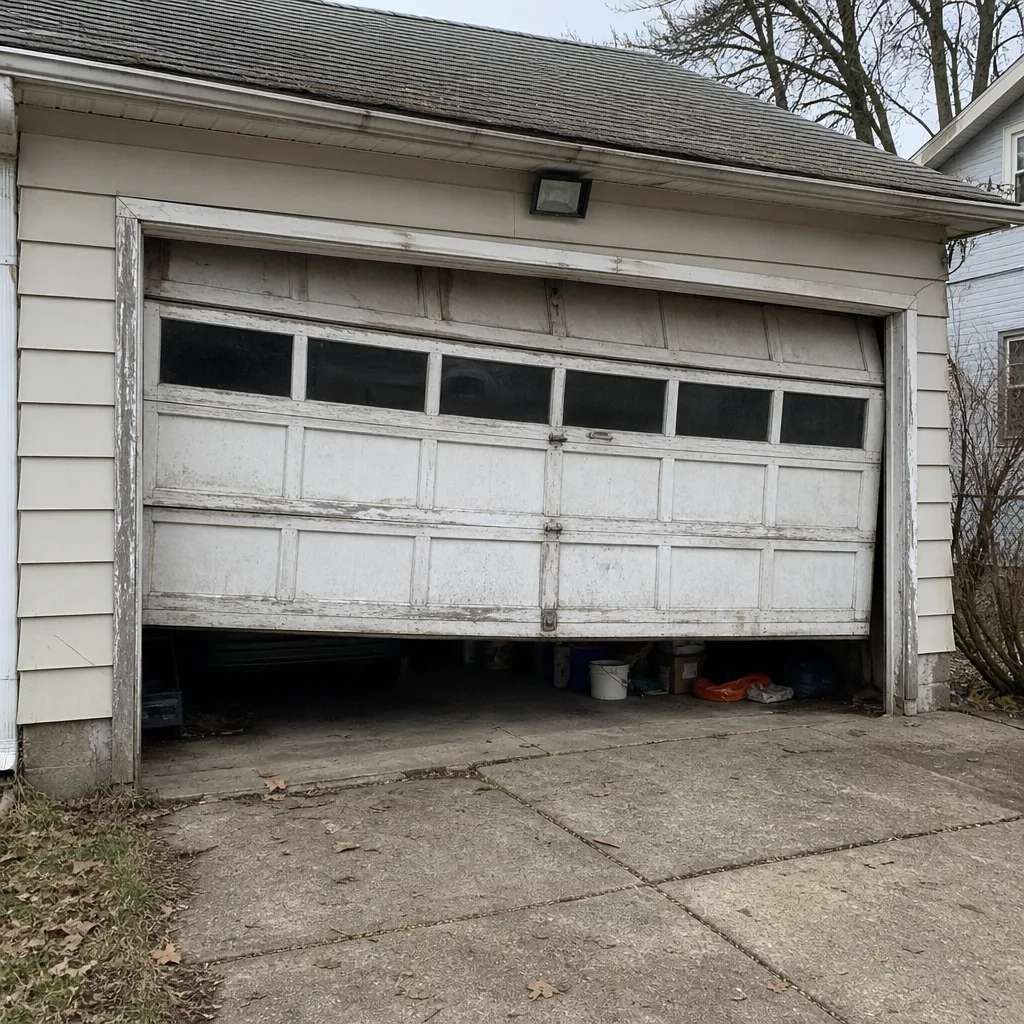 Before
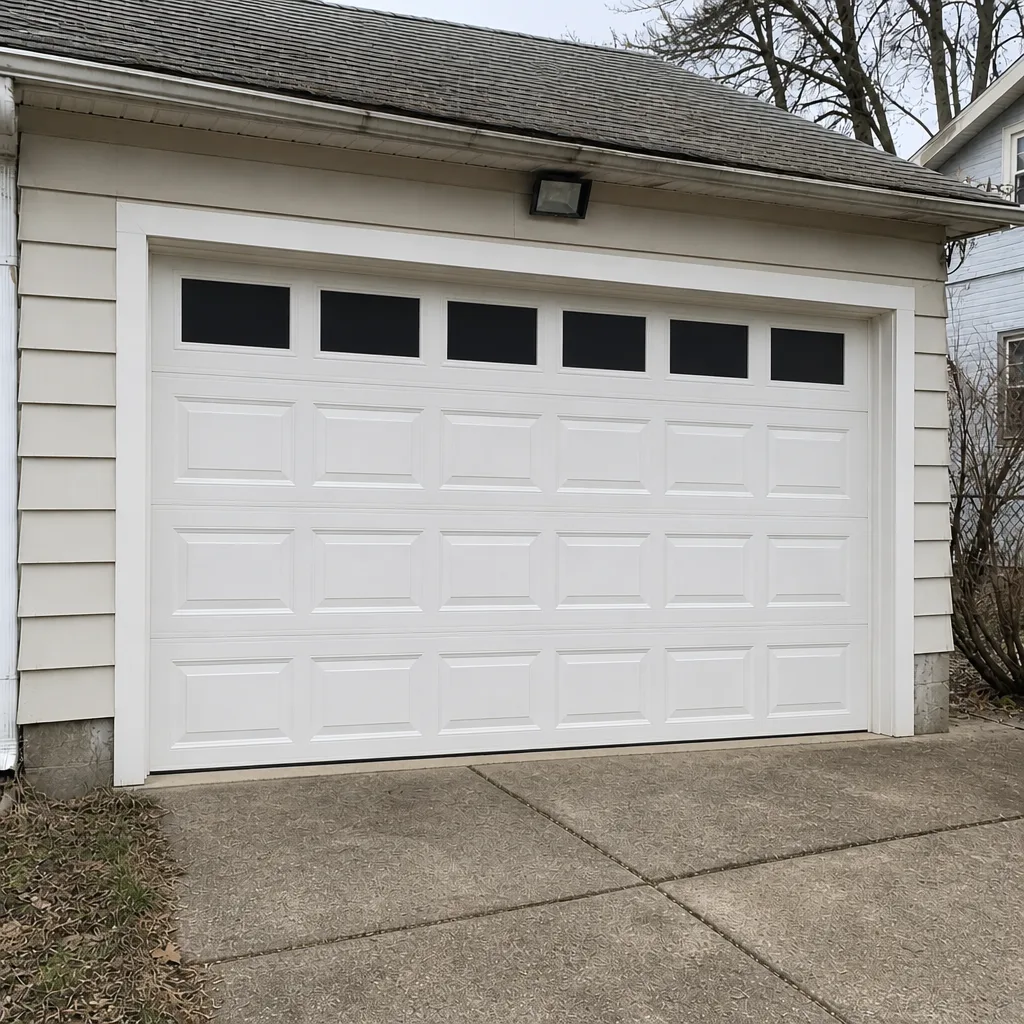 After
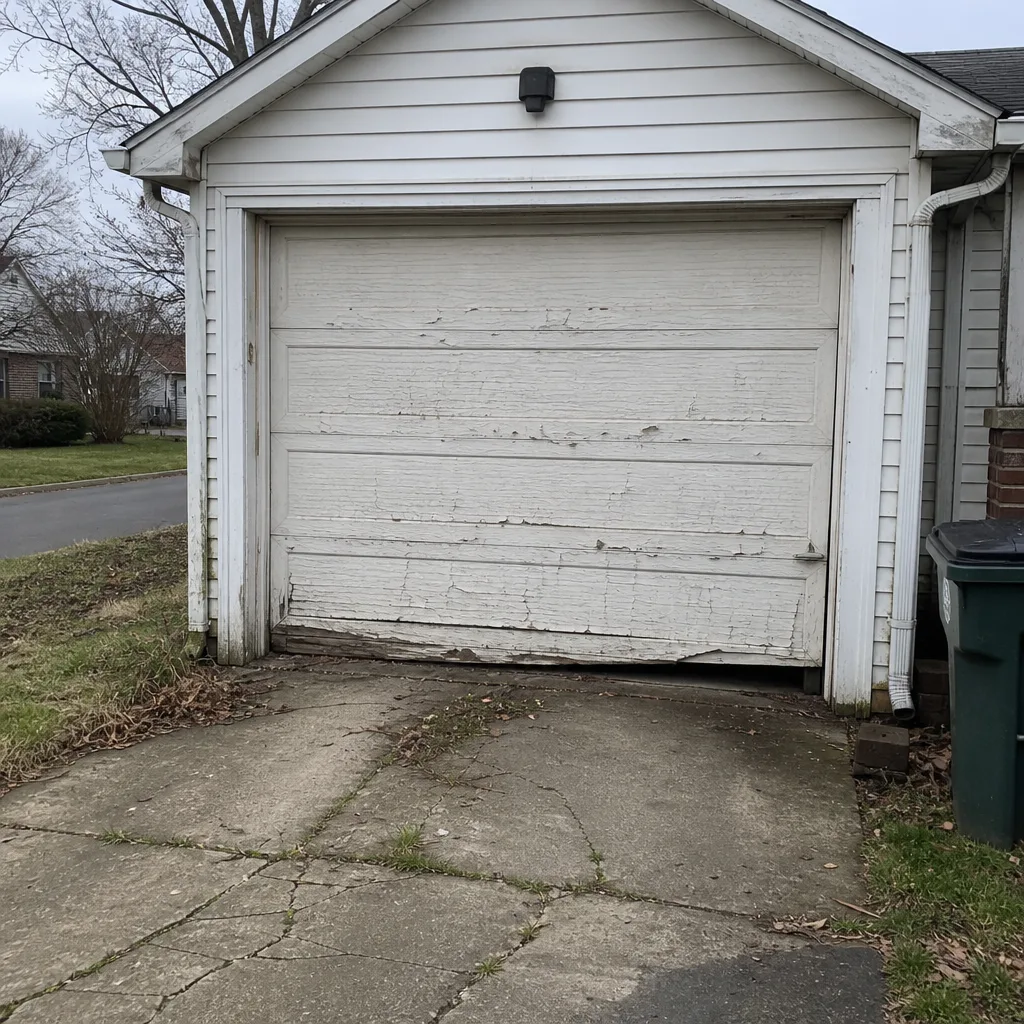 Before
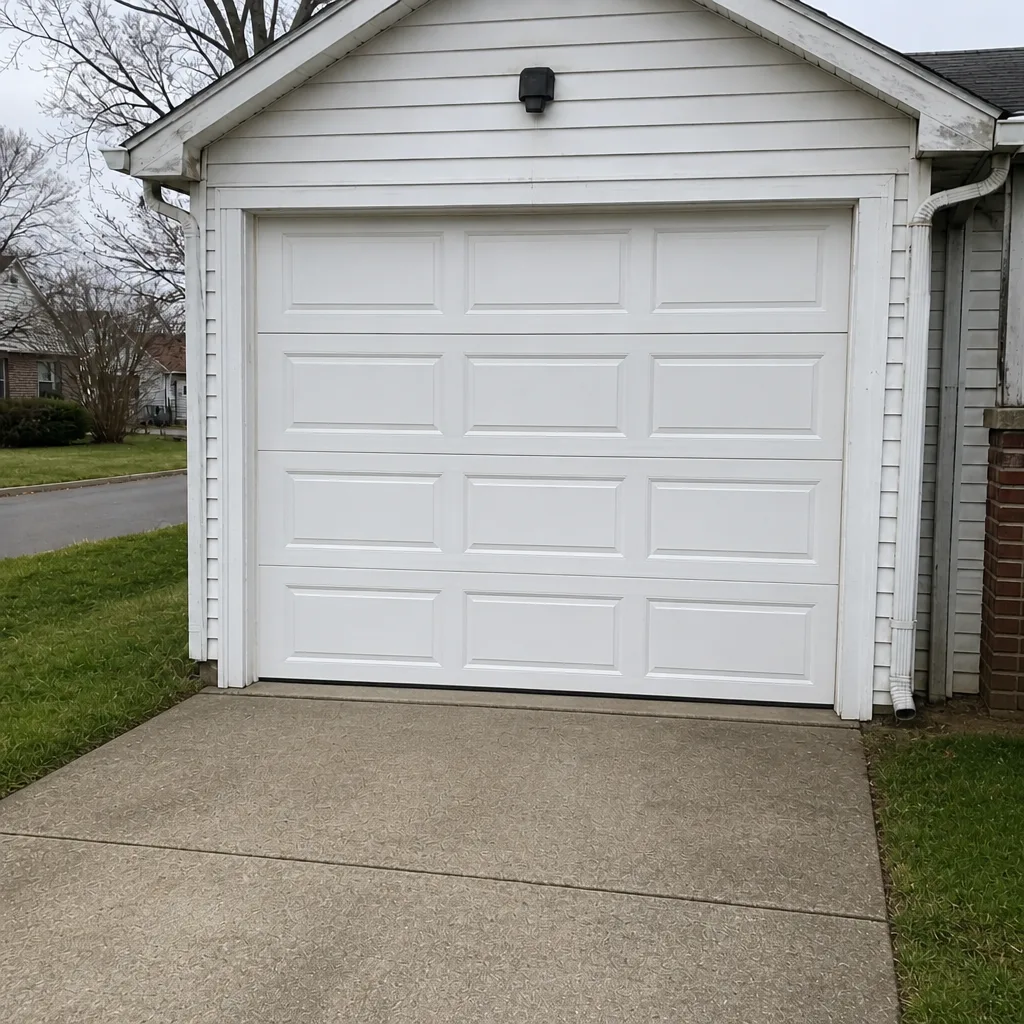 After
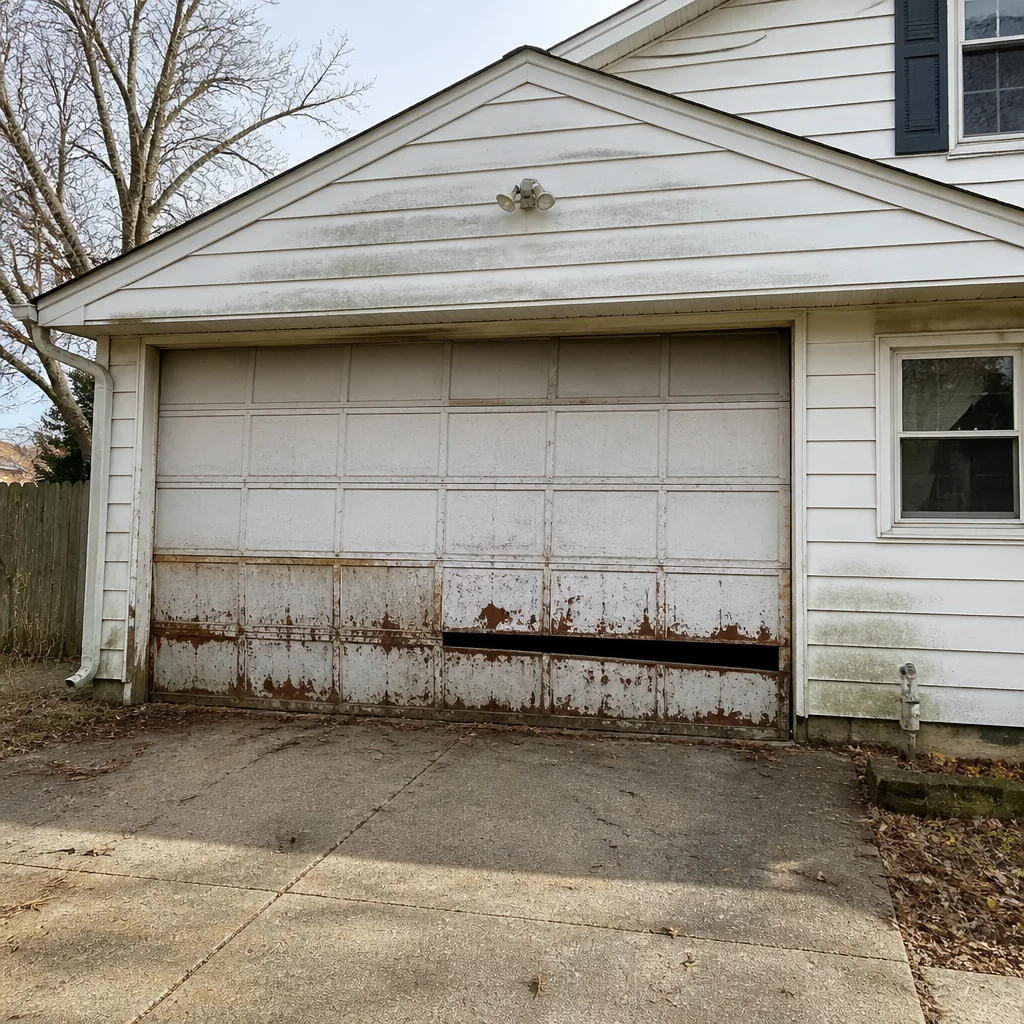 Before
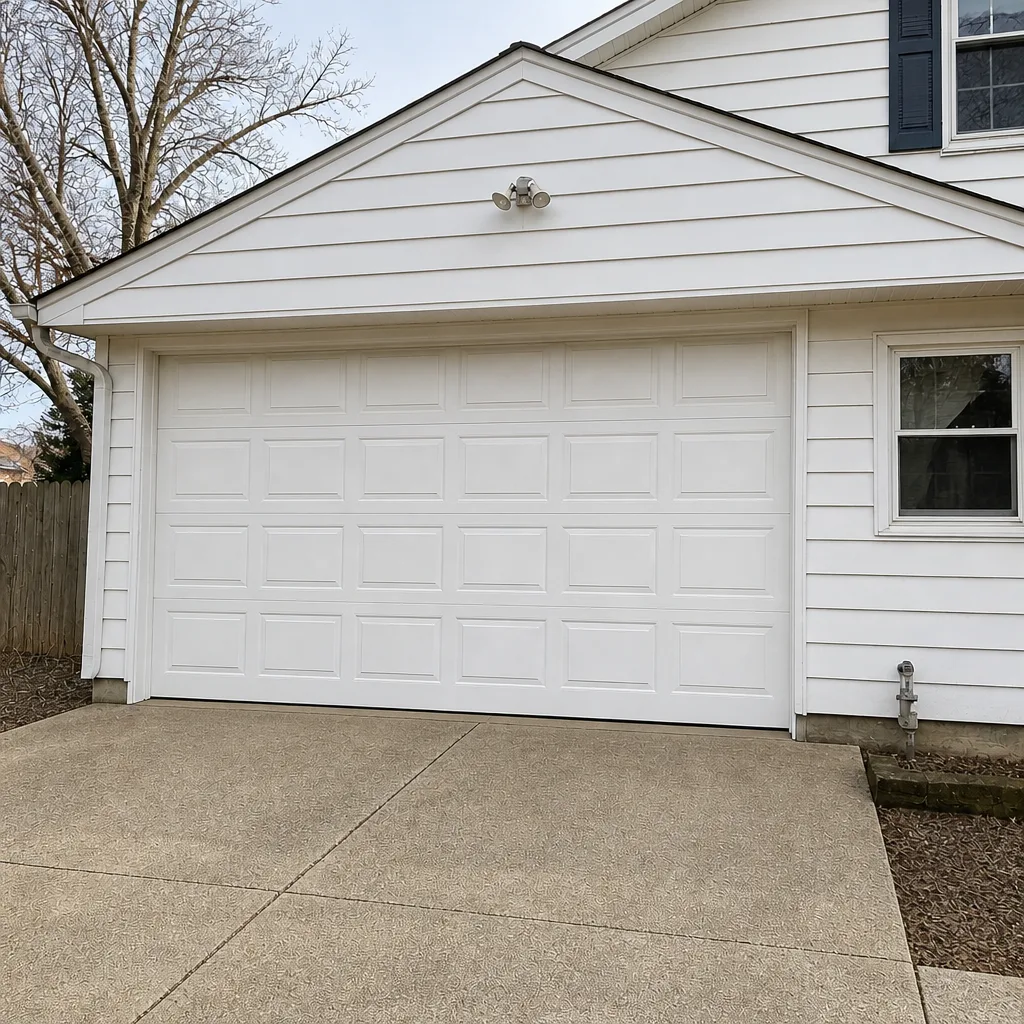 After