
Last updated November 16, 2026
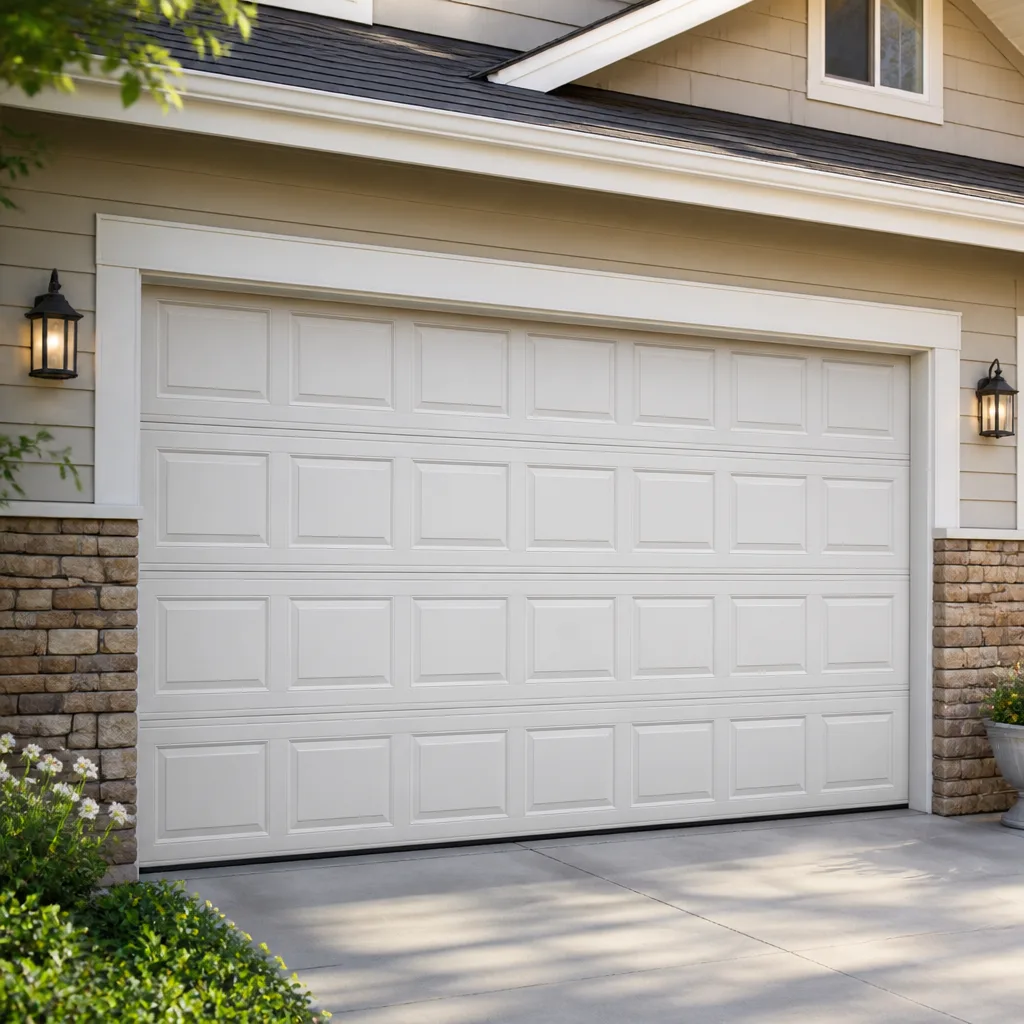 Raised-panel steel
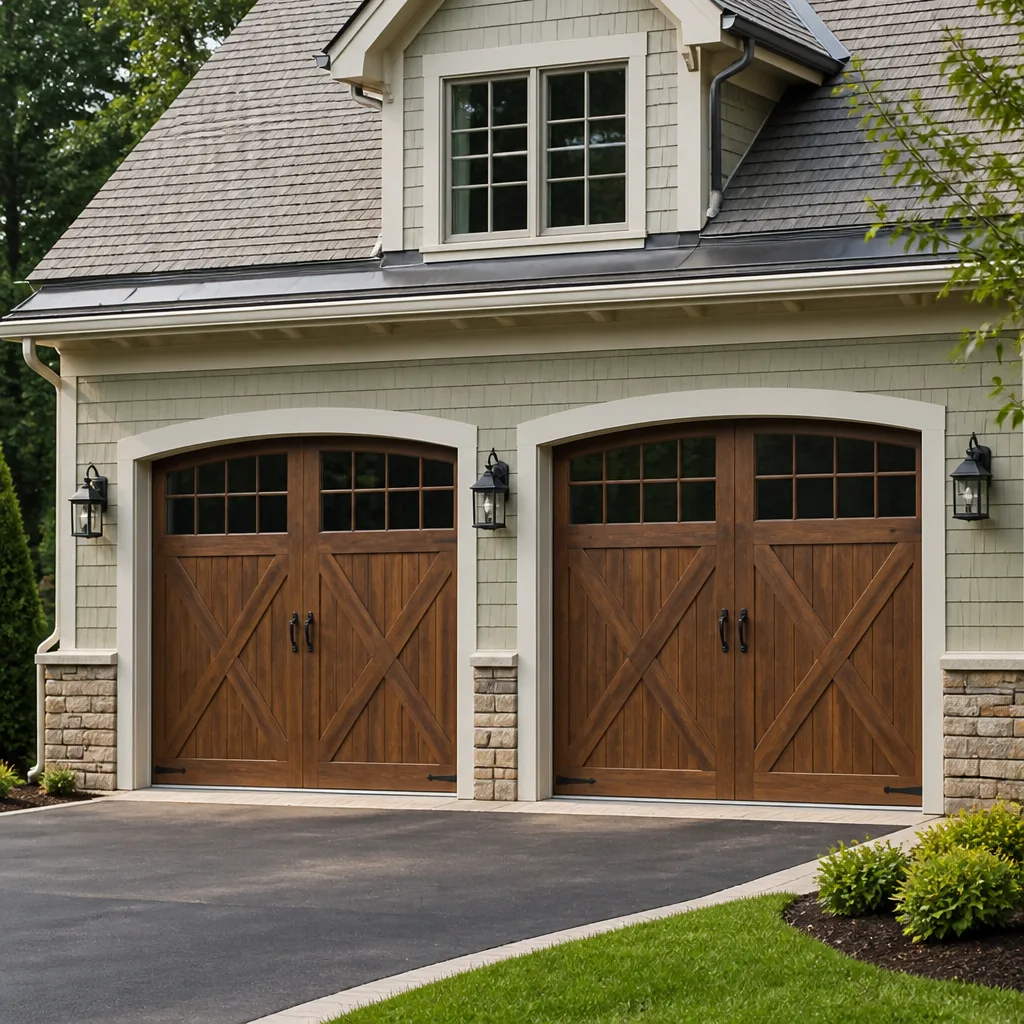 Carriage house
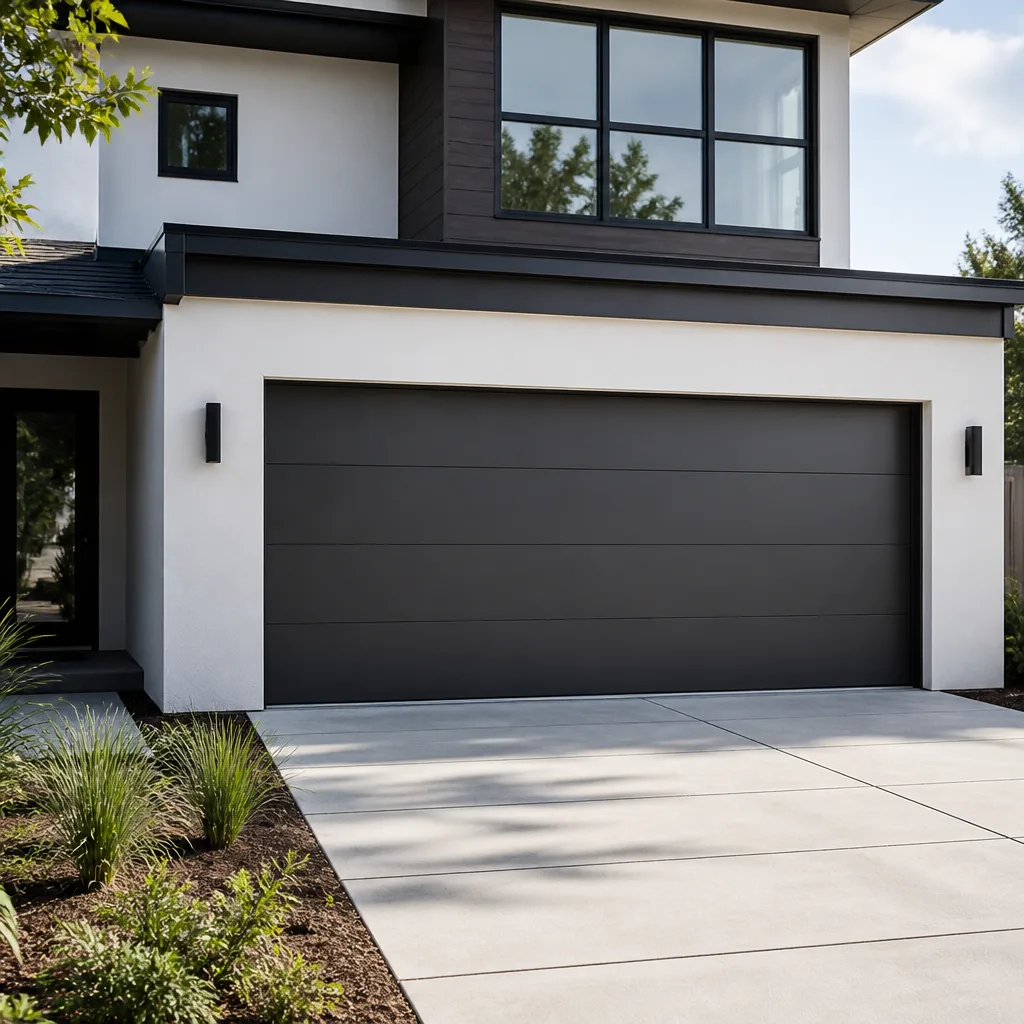 Modern flush
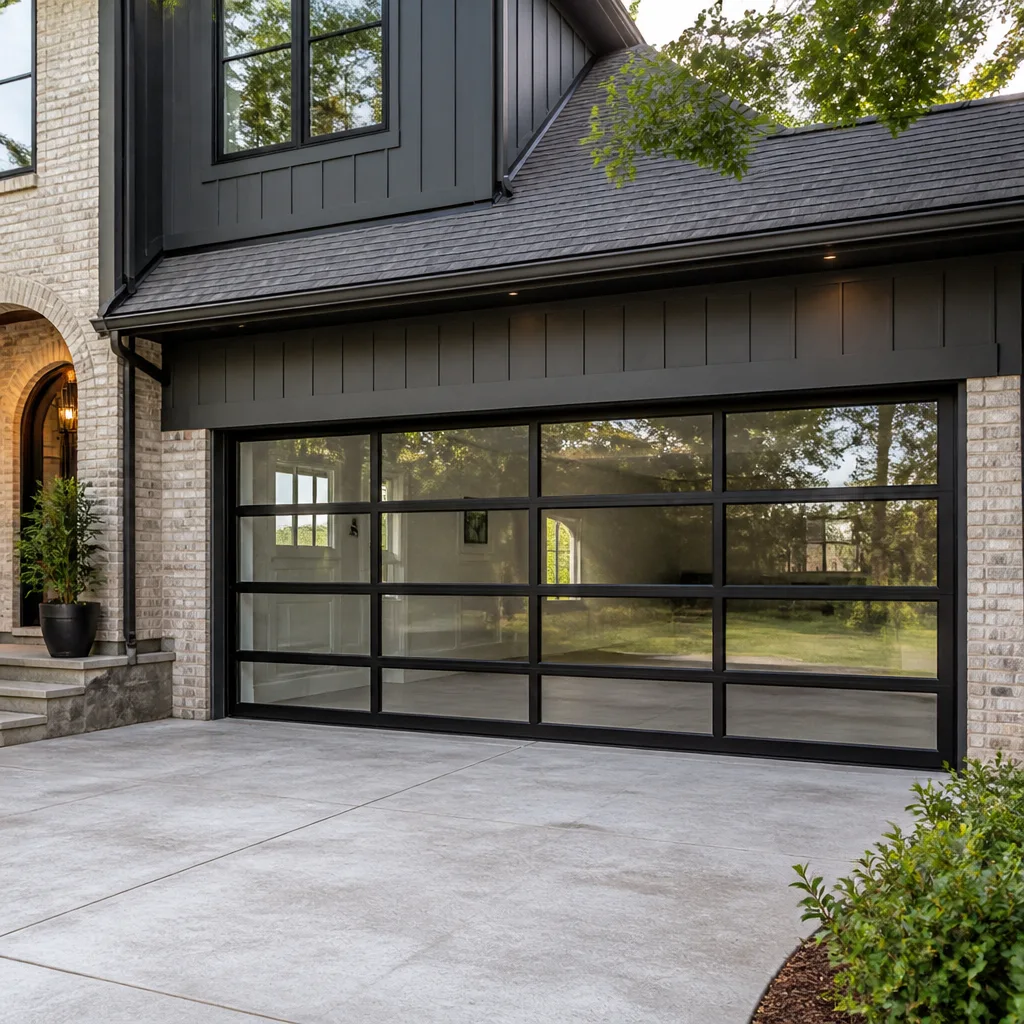 Full-view glass
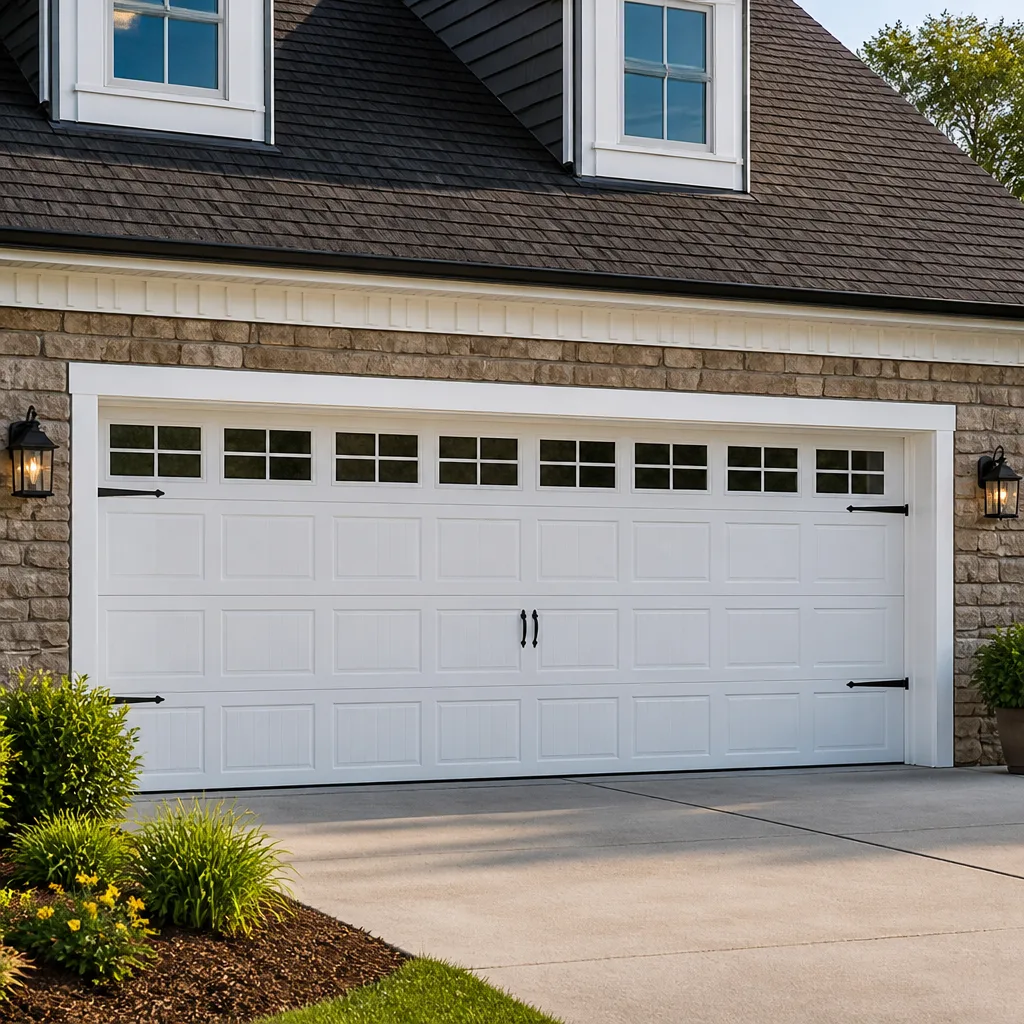 LiftMaster openers
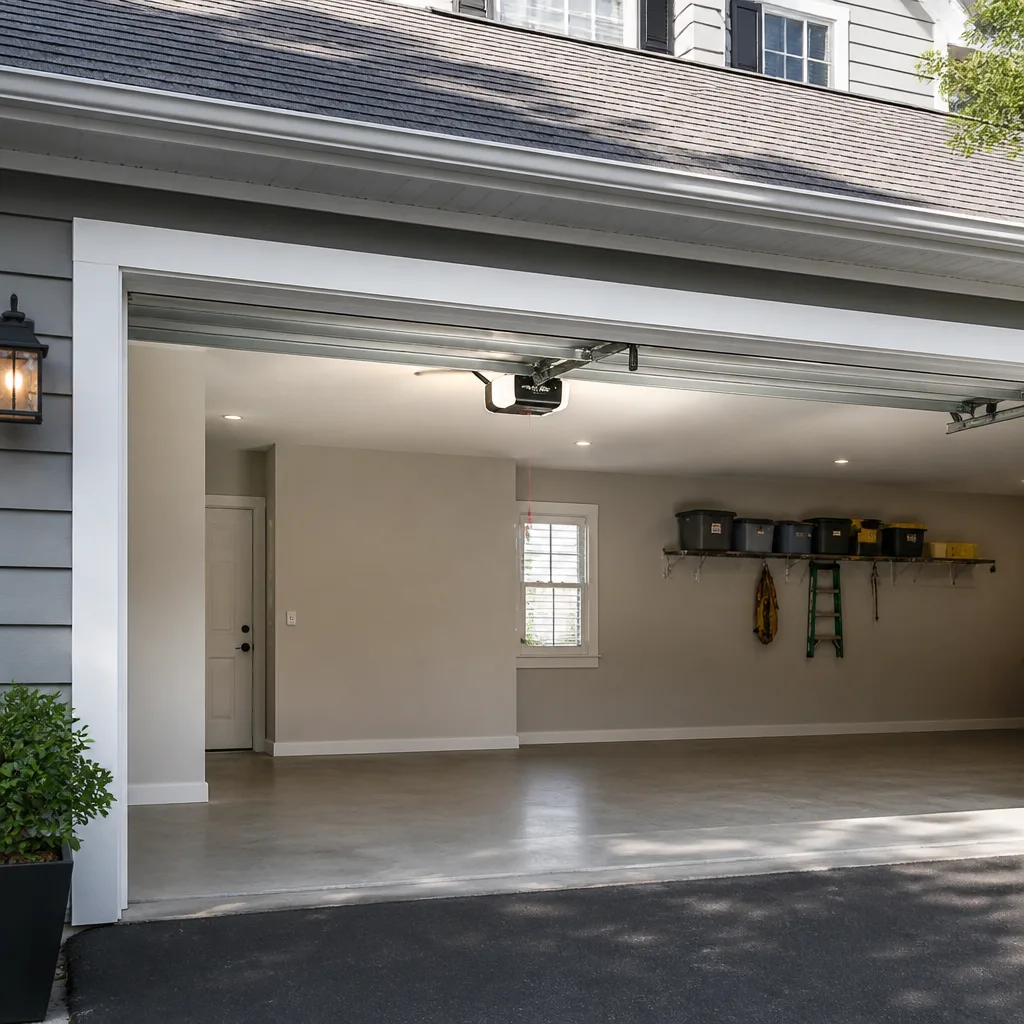 Chamberlain openers
Full 25-point door and opener safety check with every visit - springs, cables, rollers, tracks, and your LiftMaster or Chamberlain opener included
You get a price before we start. It does not change when the pro arrives.
Get your free estimateGarage Door Emergency Preparedness Guide for Albany Homes
Most Albany homeowners assume a garage door emergency means a snapped spring or a dead opener motor. In our experience, the harder problem shows up during nor’easters, ice storms, and the power outages they leave behind: a door that works fine, but a homeowner who has never touched the manual release cord and can’t get the car out when it matters. The emergency itself is rarely the failure. The failure is the missing two-minute test everyone means to do and never does. This guide walks through exactly how your emergency release works on the most common openers in Albany homes, how to re-engage the drive without wrecking the trolley, what to do when the bottom seal freezes to the floor, how to secure a door from the outside when the lock gives out, and the October checklist that keeps you ahead of the first real freeze.
Quick Answer
Garage door emergency preparedness in Albany comes down to four things: knowing how to release and re-engage your specific opener by hand, testing that release and your battery backup before winter, keeping the bottom seal from freezing to the floor, and having a plan to secure the door from the outside if the lock fails. Equipment from LiftMaster, Chamberlain, and Genie all release the same basic way, but the re-engage step and direct-drive variants trip people up. Test all of it in October, not at midnight in a blizzard.
Styles & brands we work with
- Raised-panel steel
- Carriage house
- Modern flush
- Full-view glass
- LiftMaster openers
- Chamberlain openers
Table of Contents
- Why Albany Homes Lose Garage Access in Storms
- How to Use the Manual Release on LiftMaster, Chamberlain, and Genie Openers
- How to Re-Engage the Drive Without Damaging the Trolley
- What to Do When the Bottom Seal Freezes to the Floor
- How to Secure a Garage Door From the Outside When the Lock Fails
- The October Emergency Checklist for Albany Homeowners
- What to Do When the Power Goes Out and Stays Out
- When To Call a Professional
Why Albany Homes Lose Garage Access in Storms
Albany County sits in a spot where a wet, heavy snow turns to ice overnight, then thaws just enough to refreeze the next evening. That freeze-thaw cycle is what makes garage door emergencies here different from a place with dry, steady cold. The door itself is often fine. It’s the seal, the tracks, and the power that fail.
The December 2022 winter storm that knocked out power across Albany County for days made this plain. The most common emergency call wasn’t a broken spring at all. It was homeowners who had never once pulled their emergency release cord and couldn’t get their car out of the garage. The door was intact. The opener was fine, just unpowered. The education was missing.
A few Albany-specific conditions drive the risk:
- Ice storms and freezing rain coat the door’s bottom seal and the threshold it rests on, welding them together. Forcing the opener against a frozen seal strains the motor and can pull the bracket or the seal loose.
- Nor’easters and high wind push water and debris against the door face and under the bottom seal, then it refreezes into a solid block.
- Extended outages after ice bring down tree limbs on service lines and can leave a block dark for days. A battery backup becomes the difference between using the car and calling for a ride.
- Older doors and openers in established neighborhoods like Pine Hills, Helderberg, and the Delaware Avenue area often predate battery backup entirely, so the manual release is the only option.
None of these are exotic. They’re predictable. Which means they’re preventable with a little preparation before the season. Understanding how your system is built is the first step, and if you’re unsure what you’re working with, Bancroft Garage Door Repair can identify the door and opener combination you own.
How to Use the Manual Release on LiftMaster, Chamberlain, and Genie Openers
Every residential opener has a manual release so you can disengage the door from the drive and lift it by hand. On the three most common openers in Albany homes, LiftMaster, Chamberlain, and Genie, the release is a cord you pull, usually red, hanging from the trolley that rides the rail. The cord pulls the trolley’s release arm down and backward, freeing the door from the belt, chain, or screw drive.
Before you ever need it, confirm the door is balanced. With the release engaged and the door about halfway up, it should stay put on its own. A door that slams down or drifts up has a spring problem and should not be operated by hand. That’s a call to us, not a DIY project.
Standard belt and chain drive (most LiftMaster and Chamberlain, many Genie)
- Make sure the door is fully closed and the opener has stopped.
- Stand clear of the door’s path and pull the red release cord straight down and toward the motor unit. You’ll hear or feel the trolley click free.
- Lift the door by hand using the bottom section or the lift handle. It should move easily.
- To close it by hand, lower it gently and let it rest on the floor. Don’t let it drop.
Direct-drive and screw-drive variants (common Genie models)
Direct-drive and screw-drive openers on Genie units can feel different when you pull the release. The trolley may not click as loudly, and the arm can need a firmer downward pull to seat free of the screw. If the cord feels stuck, don’t yank harder. Check that the door is fully closed first; many releases only disengage cleanly at the closed position. If it still won’t free, the trolley may be jammed on the rail, which is a repair issue rather than a user error.
Wall-mount and jackshaft openers
If your opener mounts beside the door rather than on the ceiling, the release is usually a lever near the motor or a cord on the side, not overhead. The principle is identical: disengage the drive, lift by hand. We see these more often on newer, low-headroom builds around Albany.
One caution before you pull anything: the springs, cables, and brackets that hold the door’s weight are under extreme tension. Never reach for the release and then try to adjust a cable or spring to make the door move. Those parts can cause serious injury, and they’re not a place for a homeowner to improvise. Keep hands off the springs and cables, and let a trained technician handle anything that isn’t lifting the door cleanly by the handle.
How to Re-Engage the Drive Without Damaging the Trolley
Re-engaging the drive is the step most how-to videos skip, and it’s where homeowners accidentally bend the trolley arm or strip the release mechanism. The door has to be in the right position relative to the carriage before the trolley can lock back on.
- Close the door fully by hand and confirm it’s seated flat on the floor.
- Leave the release cord alone. Don’t retie or clip it up yet.
- Restore power and press the wall button or remote once. The carriage travels down the rail and meets the trolley.
- You’ll hear a click when the trolley re-engages the carriage. Run the door through one full open-and-close cycle to confirm the drive has caught.
If it doesn’t re-engage after one press, press the button once more to cycle the carriage back and try again. What you never want to do is force the trolley onto the carriage by hand or pull the door up while the opener is trying to travel. That’s how the release arm bends and the safety reverse stops working right.
On Chamberlain and LiftMaster units with a lock feature, make sure the wall control’s lock isn’t engaged, which stops the opener from responding at all. On Genie models, check that the release cord’s arm is fully seated before you test the cycle. If the drive won’t re-engage after a couple of tries, the trolley or the release arm likely needs attention, and the door should stay on manual until a technician looks at it. If your opener is acting up in other ways too, our garage door opener repair service covers the full electronic and mechanical side.
What to Do When the Bottom Seal Freezes to the Floor
A bottom seal frozen to the concrete is the most common winter emergency in Albany, and forcing the door is how a small annoyance becomes a real repair. When you press the button and the door strains without lifting, don’t hit it again. Stop, and break the seal free by hand first.
- Free the seal gradually. Work a plastic scraper or the flat of a putty knife under the bottom seal along the threshold, section by section, until the door lifts free.
- Never pour hot water on the door or tracks. It refreezes into a worse bond and can get into the track and the opener’s sensors.
- Don’t let the opener fight the ice. The motor will strain, the safety reverse can fail its test, and the bracket or the seal can tear. Forcing it is how the bracket breaks instead of the seal, and a broken bracket means the door is off its track.
- Clear the threshold after every storm. A broom and a few minutes on the apron before the next freeze saves the seal.
Once the seal is free, lift the door by hand and check that the bottom rubber isn’t torn or hanging loose. A seal that’s already cracked will keep freezing and keep letting water under the door. That’s a garage door repair item worth fixing before the next cold snap, not after. A worn bottom seal is also one of the few parts on the door you can reasonably inspect yourself, and replacing it early is cheaper than a bracket or track repair later.
If forcing the door has already torn the seal or bent something, the door may be sitting unevenly. Look along the gap under the door. If it’s wider on one side, stop using the opener and get eyes on it before the next storm.
How to Secure a Garage Door From the Outside When the Lock Fails
If the power is out, the manual lock has failed, or a storm or break-in attempt has left the door unlocked, you need a way to hold the door closed from the outside. On most manual doors there’s a slide bolt or a lock bar that passes through the track or the door stile. If that’s failed, a temporary brace across the inside of the door is the reliable fix, but you have to be able to reach it.
- Close the door fully and engage whatever manual lock hardware still works.
- If the door has a slide bolt, run it through the track on both sides. A bolt through the track stops the door from being lifted.
- If the lock is broken, a heavy bar or a piece of lumber laid across the inside face of the door, braced against the floor or the side jambs, holds it shut until a technician can repair the lock.
- If you can’t get inside to brace it, a ratchet strap run through the door’s lift handle and around a solid anchor in the garage holds it closed temporarily. It’s a stopgap, not a fix.
Two warnings. Don’t rely on a strap or bar as a permanent solution, because a determined person can defeat it. And never reach into the track or the gap between the door and the jamb to place a lock while the opener might be energized. Kill the power at the wall switch first. If the lock mechanism itself has failed, that’s a repair, and we can quote it as a free estimate.
A working manual lock on the outside of the door also matters for keeping the door from being pried up in a power outage, when the opener can’t hold it. If your lock is old or stiff, get it addressed before winter.
The October Emergency Checklist for Albany Homeowners
Run this before the first hard freeze, while the weather is still on your side. It takes maybe twenty minutes and covers the four things that fail when a storm hits.
- Test the battery backup on any opener that has one. Unplug the opener from the wall and press the remote. The door should open and close on battery alone. If it doesn’t move or moves slowly, the battery needs replacing before winter. If your opener has no backup at all, plan for that.
- Test the manual release. Pull the red cord, lift the door by hand to confirm it’s balanced, then re-engage the drive per the steps above. Do this on a calm day so you’re not learning it during a blizzard.
- Confirm the exterior lock works. Slide the bolt, test the bar, and make sure the lock hardware isn’t seized with rust or ice.
- Clean and inspect the bottom seal. Clear the threshold, check the rubber for cracks, and note any gap under the door.
- Test the safety reverse. Put a piece of wood flat on the floor in the door’s path and close the door. It should reverse on contact. If it doesn’t, stop using the opener.
- Put our number on file. Save (866) 942-9116 in your phone so you’re not hunting for it during an outage. We answer 24/7.
Brands matter here. A door from Clopay or Amarr and an opener from LiftMaster or Chamberlain each have their own quirks in how the release and battery backup behave, and knowing your specific combination saves time when something goes wrong. Most Albany homes already have a door or opener we work on regularly, which is why a quick call can get you pointed in the right direction.
What to Do When the Power Goes Out and Stays Out
Extended outages are the norm after an ice storm in and around Albany, and the plan is simple: release the door, lift it by hand, and don’t fight the opener. The sequence matters.
- Don’t cycle the opener repeatedly hoping it comes back. It won’t, and you’ll drain a battery backup that could still serve you.
- Go manual. Pull the release cord, lift the door by the handle, and drive out. Close it by hand when you leave.
- Keep the door closed and secured when the house is empty so the manual lock and any temporary brace do their job.
- Watch for ice on the threshold each time you open it. Freezing rain refreezes fast, so break the seal free before you lift.
- When power returns, re-engage the drive and run one test cycle per the steps above.
If a door has to be left open, get it closed and braced. An open garage in a cold snap is a frozen pipe risk as much as a security one. And if the outage is long enough that the opener’s battery dies, the manual release is still there. That’s why testing it in October matters: the day it’s the only option is not the day to learn the pull.
If you’re not comfortable with the release or your door won’t balance by hand, that’s when a call makes sense. Our team covers Albany homes for exactly this kind of seasonal readiness, and we’re happy to walk through it with you before the ground freezes.
Common Mistakes to Avoid
- Forcing a frozen door. Hitting the opener over and over against a frozen bottom seal strains the motor and can tear the bracket or the seal loose. Break the seal free by hand first.
- Never testing the manual release. The number one failure during an Albany County outage is a homeowner who can’t find the release cord, let alone pull it. Test it in October.
- Yanking the trolley back on by hand. Re-engage by running the opener to meet the carriage. Forcing it bends the release arm and can leave the safety reverse unreliable.
- Pouring hot water on the threshold. It refreezes into a worse bond and can get into the track and the safety sensors. Use a mechanical scrape instead.
- Lifting a door with a bad spring. If the door won’t stay put when you let go halfway up, the springs are the problem. Operating it by hand can bring it down on you. That’s a spring repair, not a manual-release test.
- Relying on a temp strap as a lock. A strap or bar brace is a stopgap. A failed exterior lock needs a real repair before you trust it through a storm.
- Not checking the safety reverse. A door that doesn’t reverse on contact with an object is unsafe, especially with kids and pets around. Test it and fix it if it fails.
See the difference
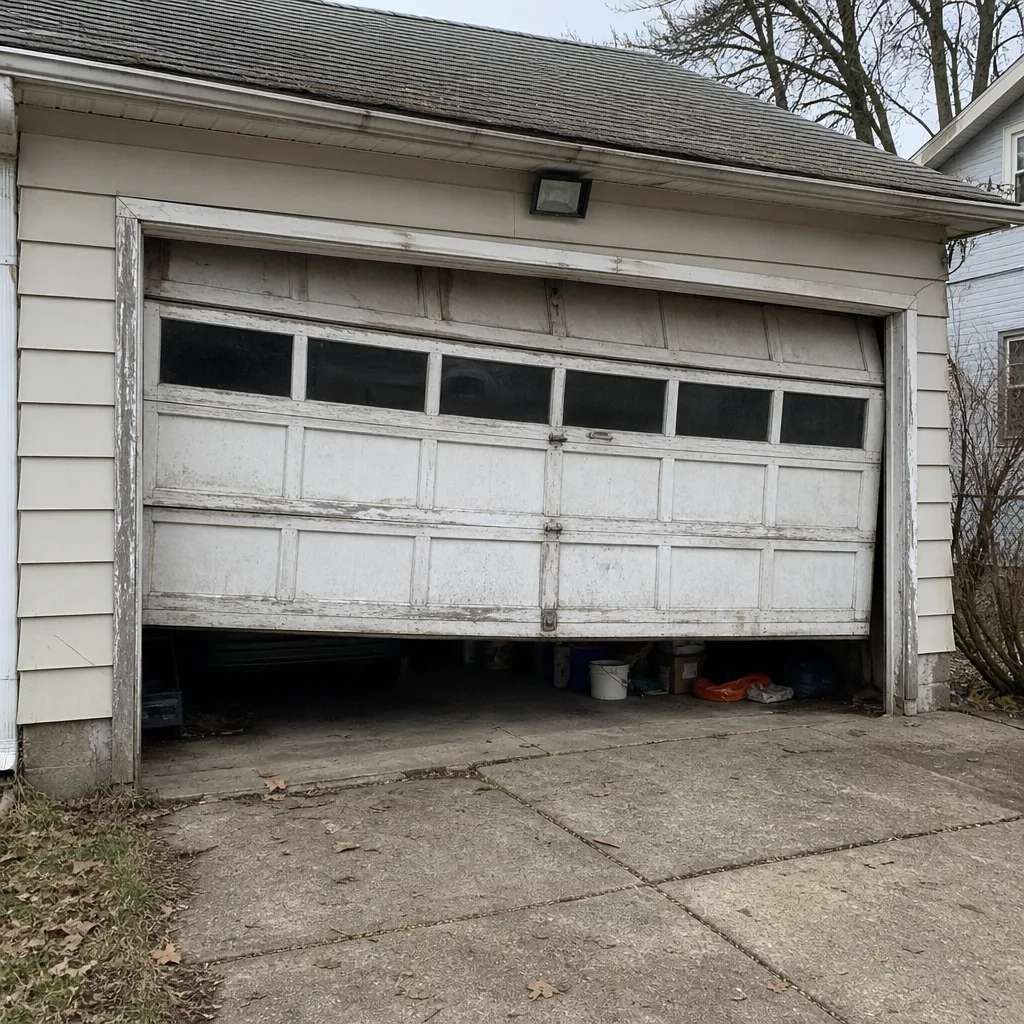 Before
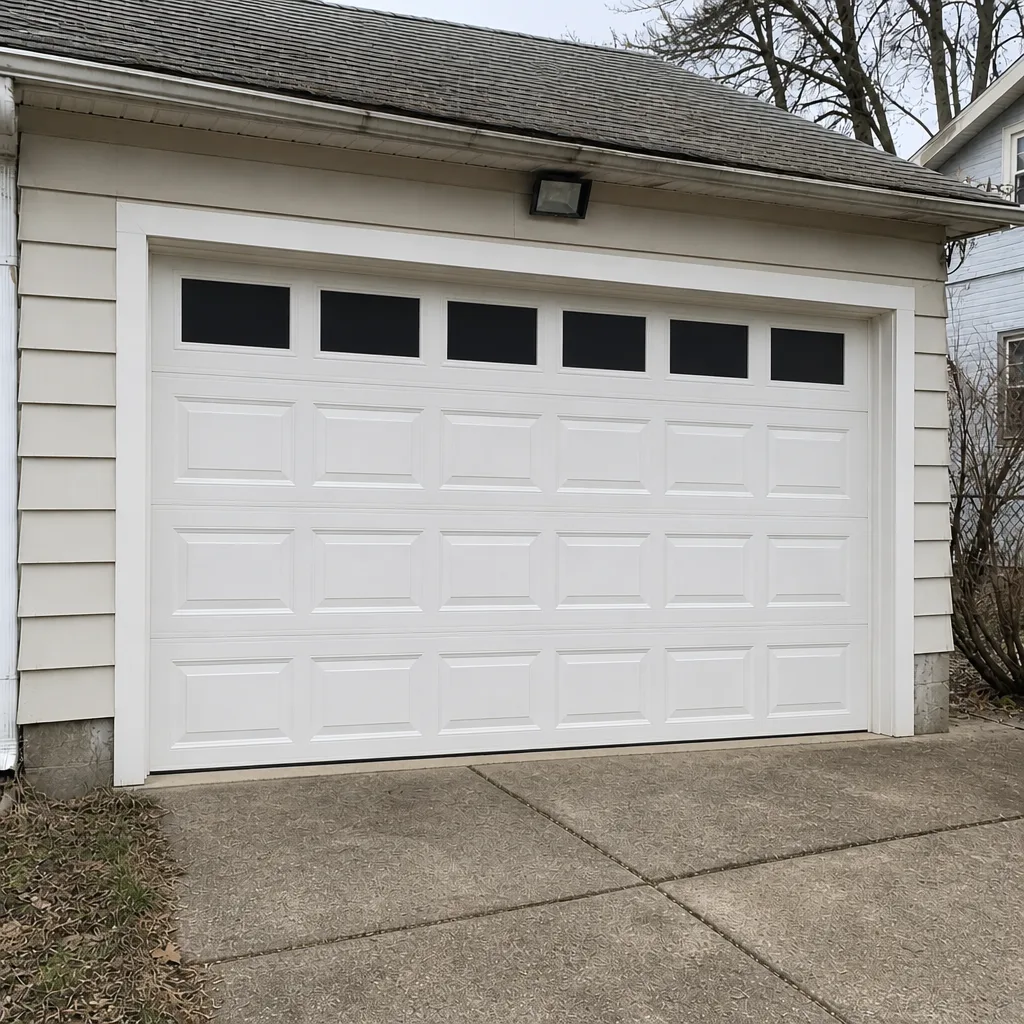 After
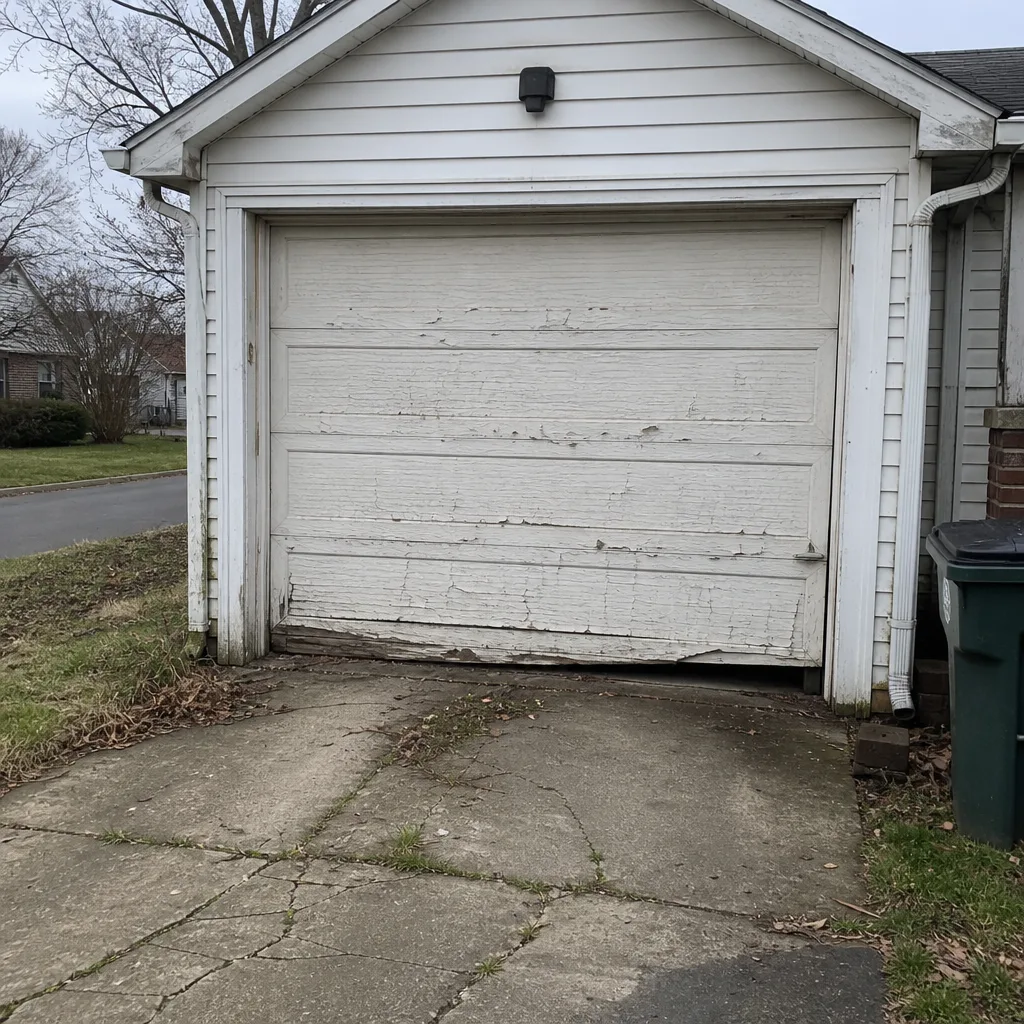 Before
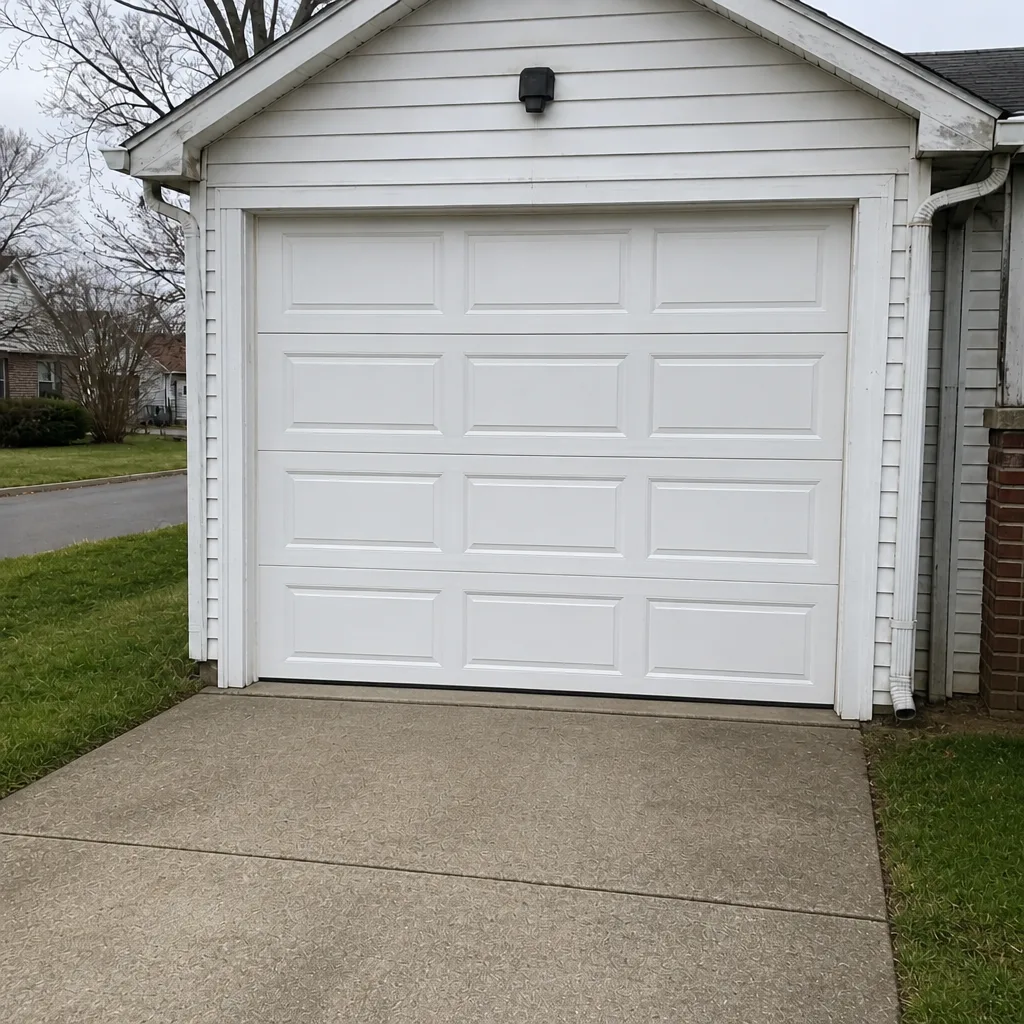 After
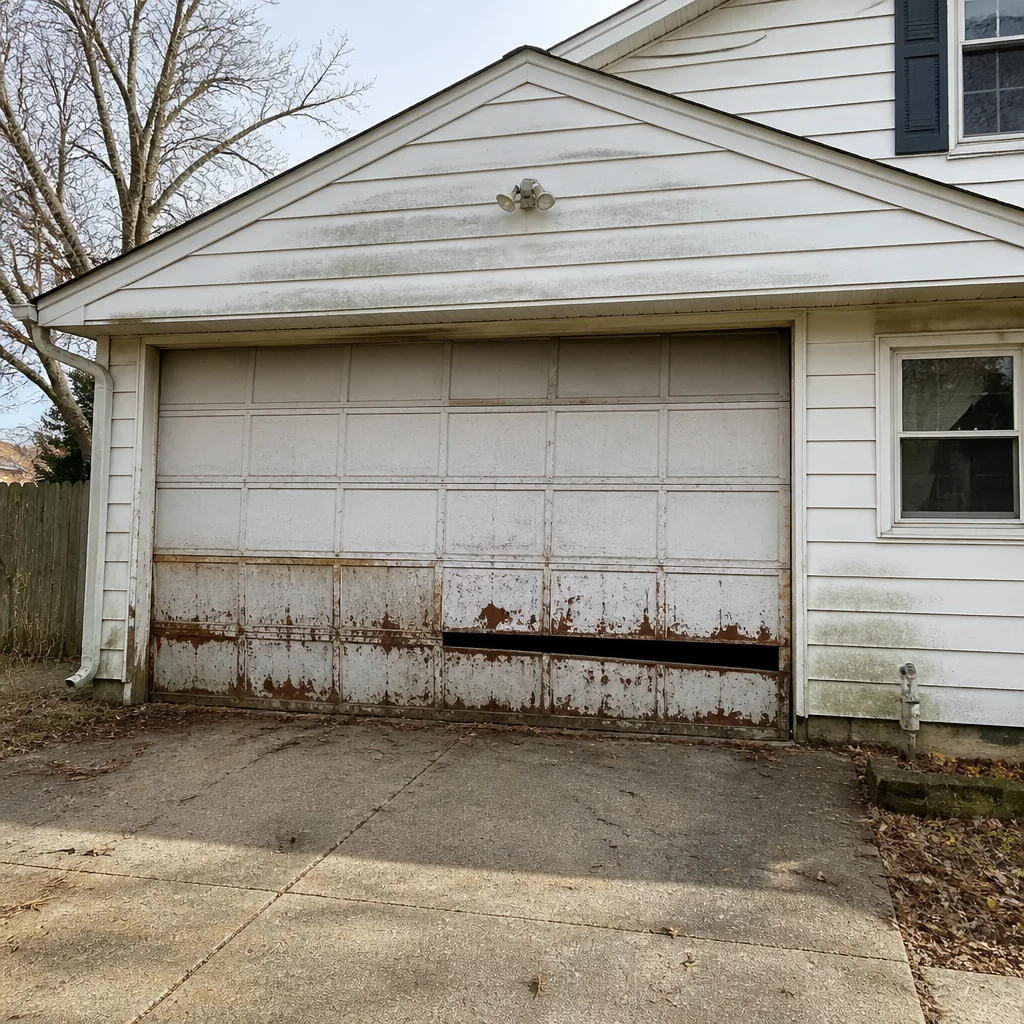 Before
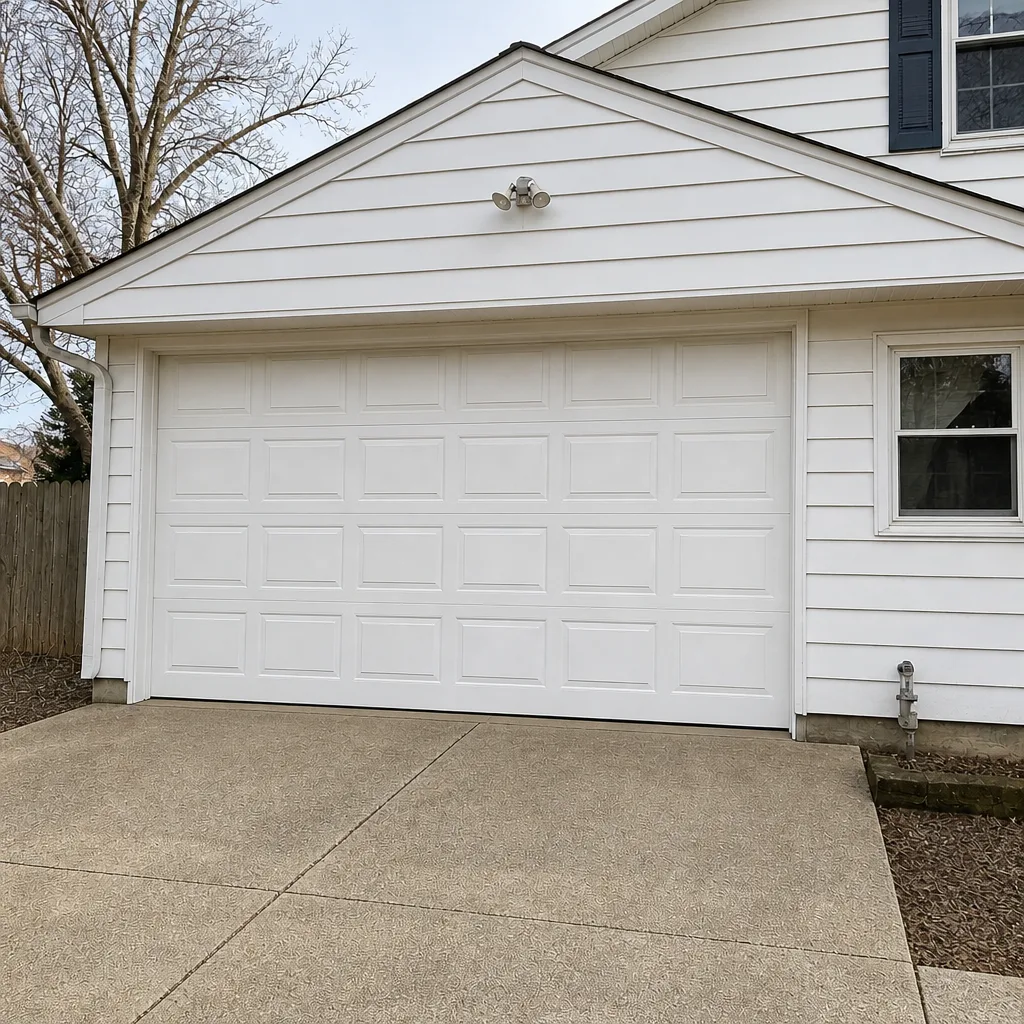 After
When to Call a Professional
Some emergencies are yours to manage with the release cord and a broom. Others need a trained technician, and guessing wrong is how a small problem becomes a big one. Call a professional if the door won’t stay put when you release it halfway up, if the opener strains or stops mid-travel, if the safety reverse fails, if the bottom seal has torn or the bracket looks bent, if the exterior lock has failed, or if the trolley won’t re-engage after two attempts. Springs and cables under tension are never a homeowner job. Bancroft Garage Door Repair offers free estimates in Albany – call (866) 942-9116. We answer 24/7. Fast dispatch from 7am to 7pm, Sunday through Friday. Our technicians have up to 13 years of experience and work on the door and opener brands most homes here already have.
Frequently Asked Questions
Pull the red release cord hanging from the trolley to disengage the drive, then lift the door by the handle. On LiftMaster, Chamberlain, and Genie openers the release works the same way, though direct-drive and screw-drive models may need a firmer pull. Make sure the door is fully closed first, and never reach for the springs or cables.
Stop the opener and break the seal free by hand with a plastic scraper along the threshold before lifting. Don’t force the door or pour hot water on it. Forcing it can tear the bottom seal or break the bracket, and hot water refreezes into a worse bond. Call (866) 942-9116 for an exact quote if the seal or bracket has already been damaged – estimates are free.
The trolley has to line up with the carriage before it locks back on. Close the door fully, restore power, and press the button once so the carriage meets the trolley. If it doesn’t catch after two tries, don’t force it by hand. Call (866) 942-9116 and we’ll take a look – estimates are free.
No. Many older openers in Albany homes, especially in established neighborhoods, don’t have battery backup at all, so the manual release is your only option during an outage. Newer LiftMaster and Chamberlain units often include it. Test yours by unplugging the opener and pressing the remote; if the door doesn’t move, you have no working backup. Call (866) 942-9116 for a free estimate on getting one.
Run a slide bolt through the track on both sides, or brace a heavy bar across the inside face of the door if you can get to it. A ratchet strap through the lift handle is a short-term stopgap. A strap won’t stop a determined person, so get the lock repaired. Call (866) 942-9116 – estimates are free.
Yes. Our technicians are trained on both the door side (Clopay, Amarr, Wayne Dalton, Raynor) and the opener side (LiftMaster, Chamberlain, Genie, Craftsman), so they can diagnose mechanical and electronic faults in one visit. Call (866) 942-9116 for an exact quote – estimates are free.
The Bottom Line
The emergencies that cost Albany homeowners the most aren’t broken springs. They’re frozen seals forced open, trolleys bent during a re-engage, and manual releases never tested before a storm took the power. The fix is the October checklist: test the battery backup, pull and re-engage the release, confirm the exterior lock, clear the bottom seal, and test the safety reverse. Know your opener, whether it’s LiftMaster, Chamberlain, or Genie, and know that direct-drive models release a little differently. Put (866) 942-9116 on file before the first freeze. When the door fights you, stop and call rather than force it. That’s how you keep the garage working through the season.
Ready to get ahead of the next storm? Call (866) 942-9116 for a free estimate. We answer 24/7. Fast dispatch from 7am to 7pm, Sunday through Friday. Whether you need a manual release checked, a bottom seal replaced, an opener looked at, or a full new installation, our free written estimate sets the price before any work begins. Garage doors are all we do, and most Albany homes already have a door or opener we know inside and out.
Written by the team at Bancroft Garage Door Repair.