
Last updated November 16, 2026
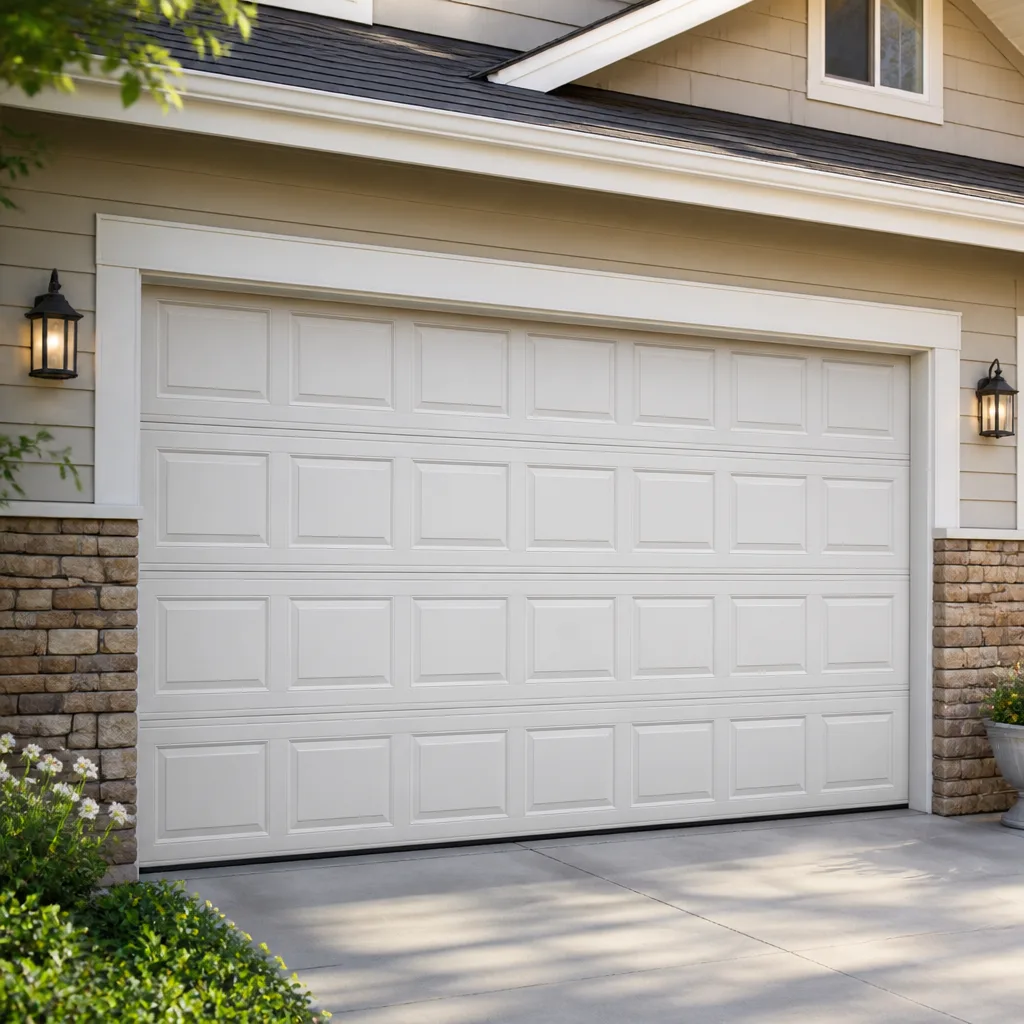 Raised-panel steel
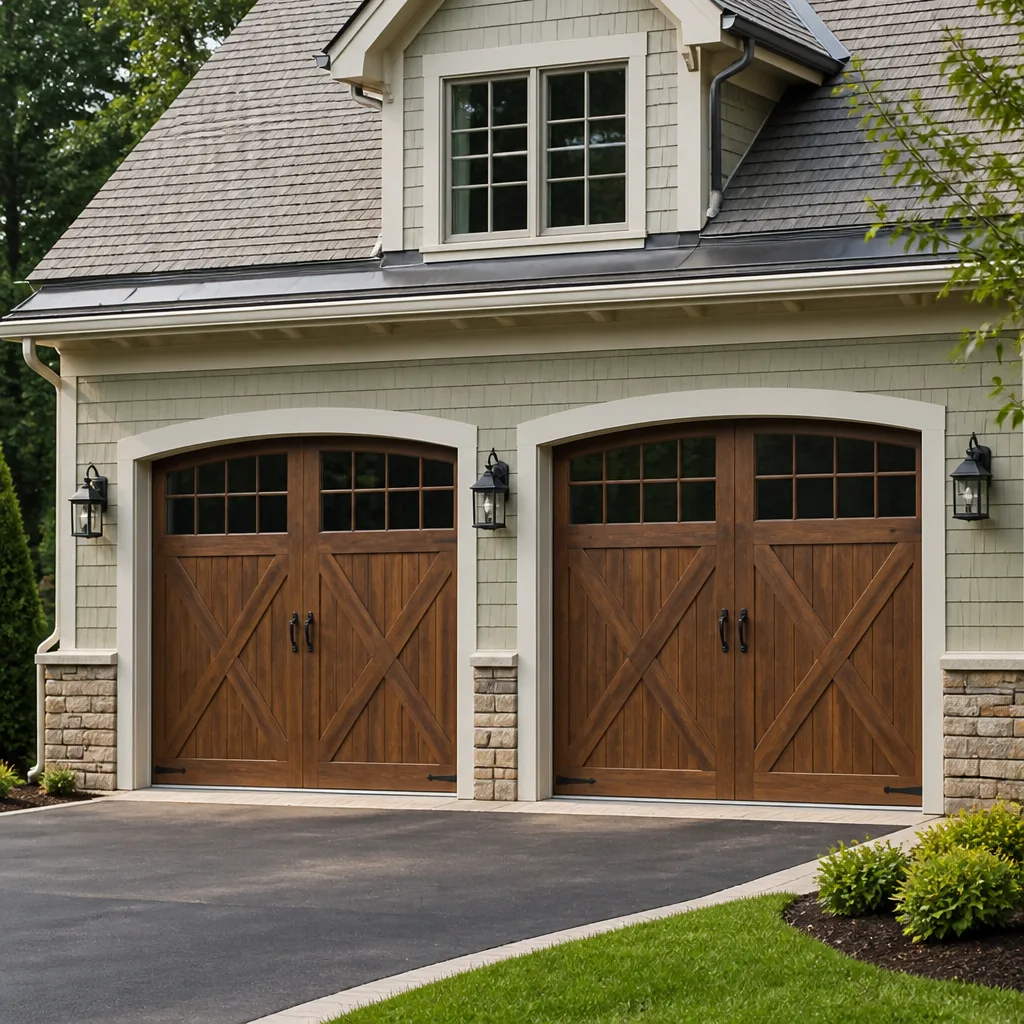 Carriage house
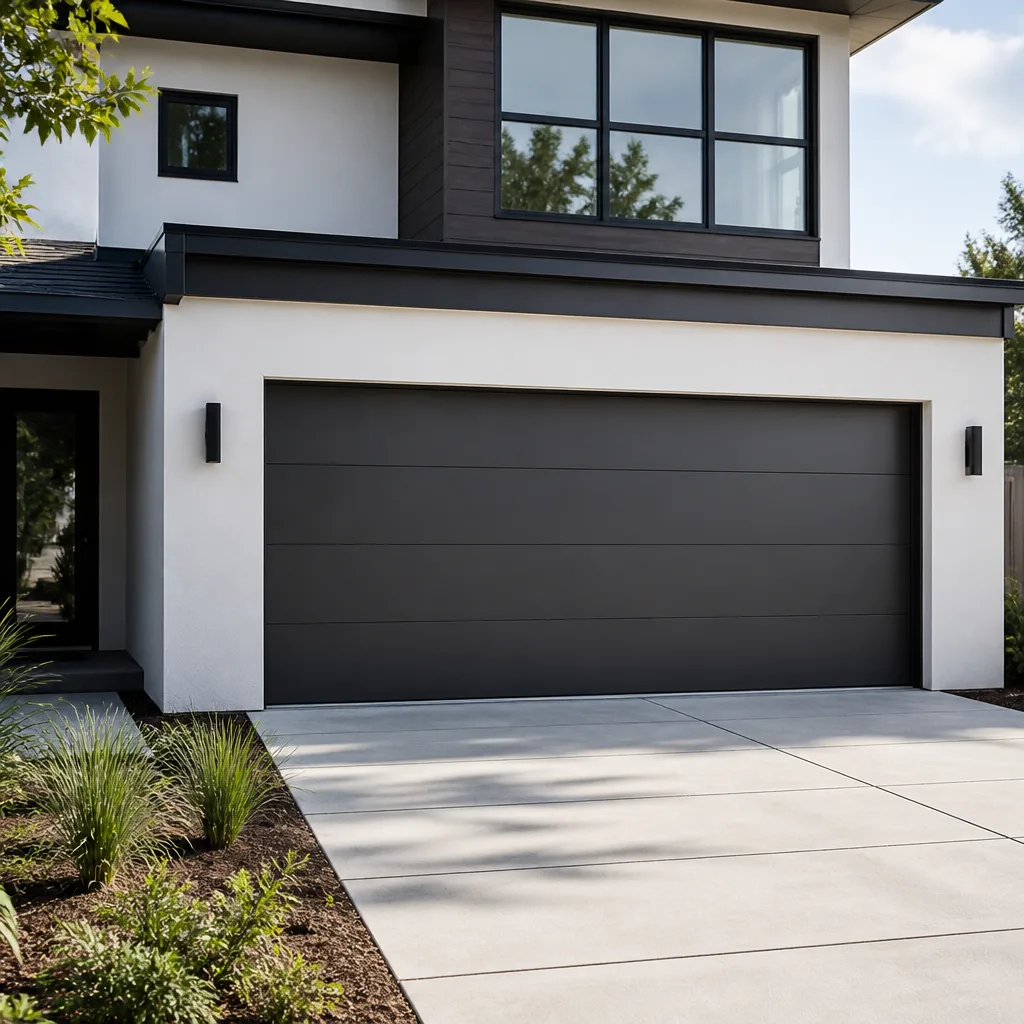 Modern flush
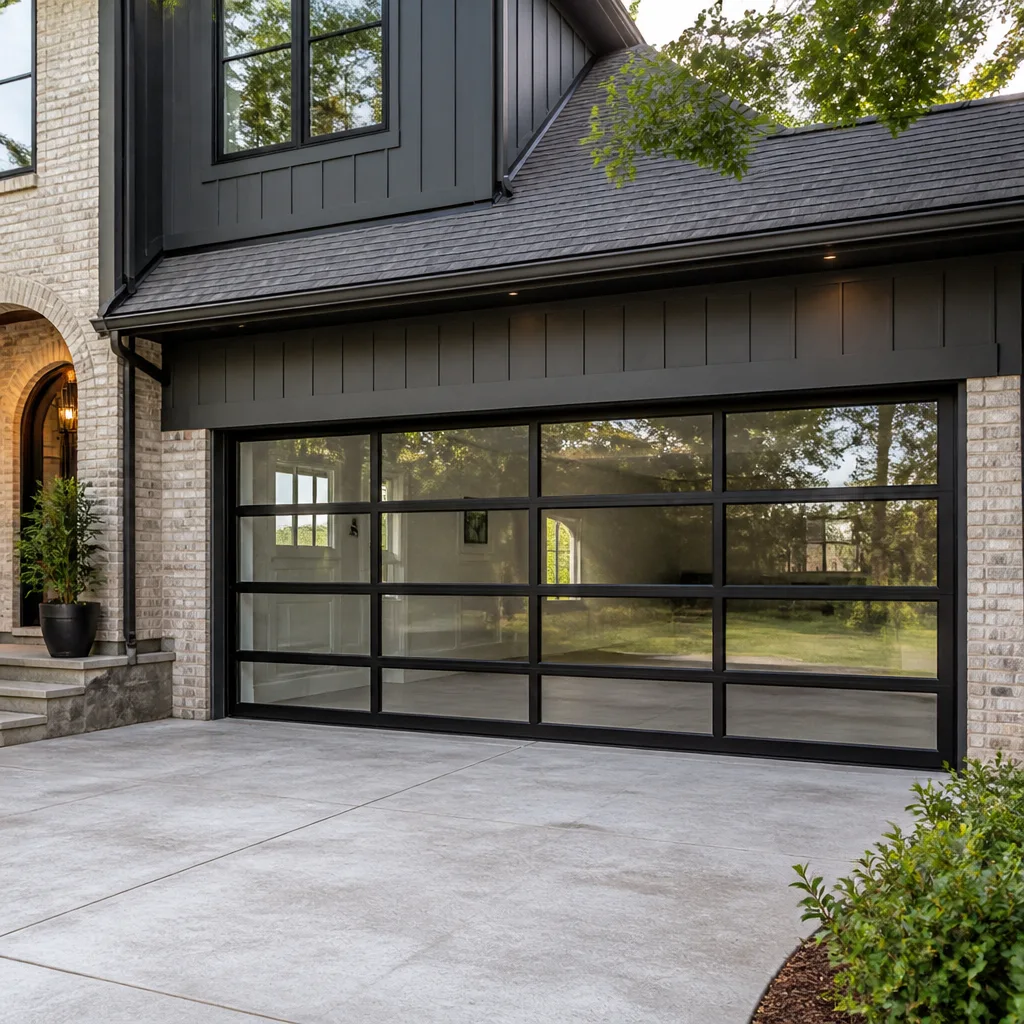 Full-view glass
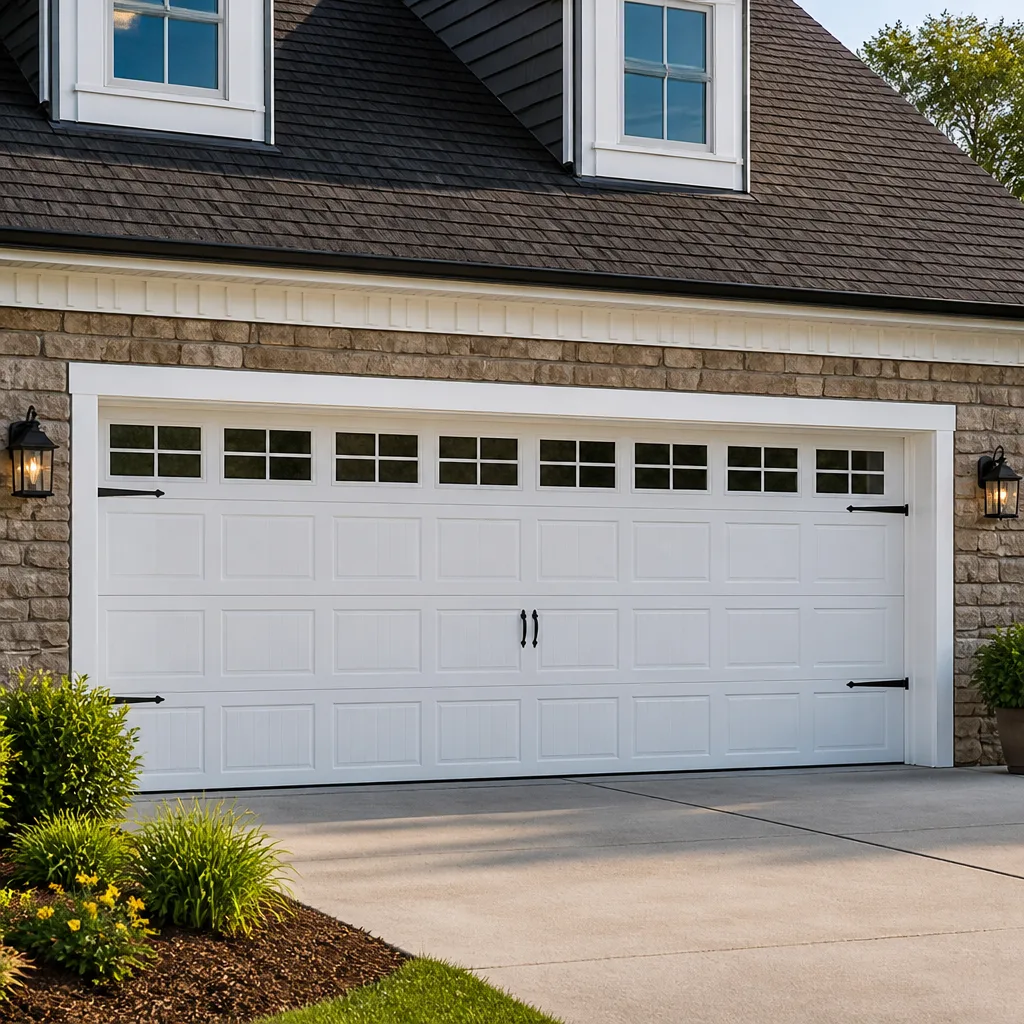 LiftMaster openers
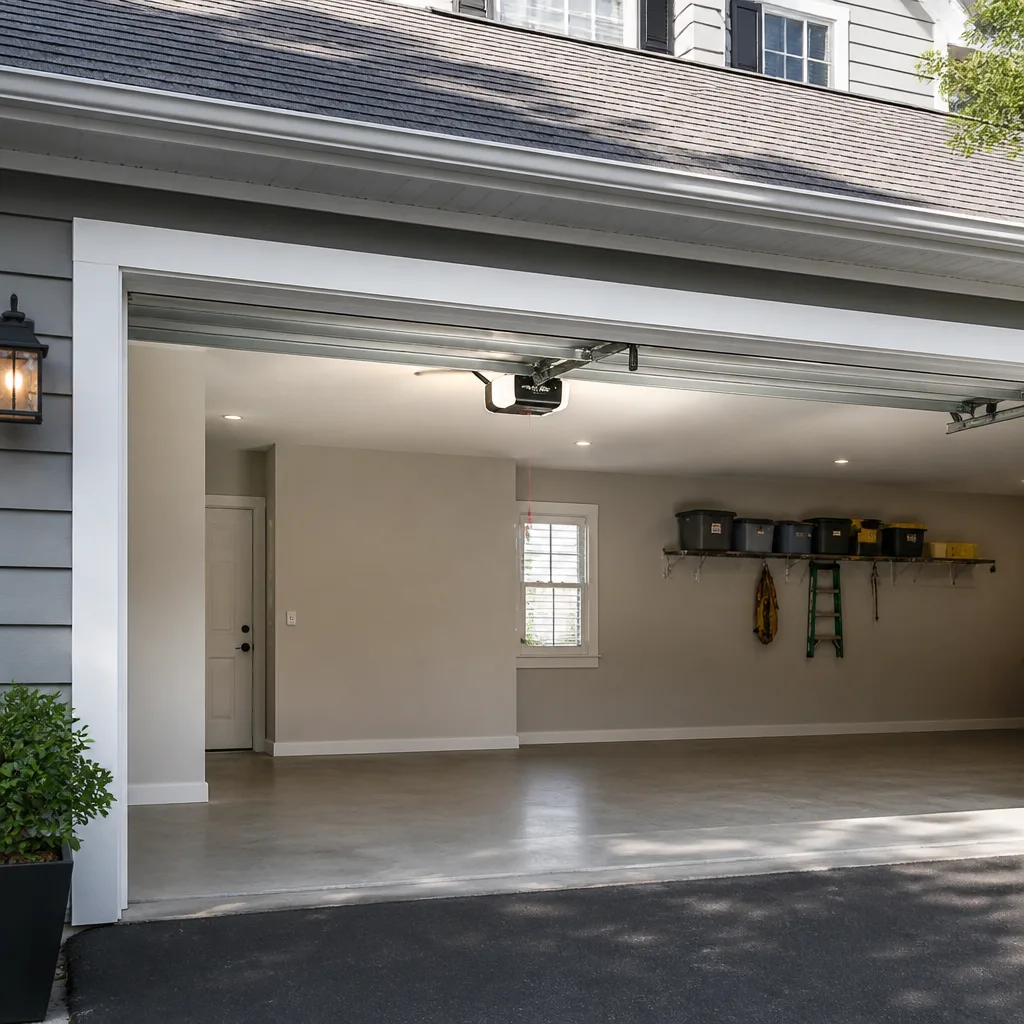 Chamberlain openers
Full 25-point door and opener safety check with every visit - springs, cables, rollers, tracks, and your LiftMaster or Chamberlain opener included
You get a price before we start. It does not change when the pro arrives.
Get your free estimateThe Complete Guide to Garage Doors in Albany
Albany averages 59 inches of snow a year, yet most garage door guides are written as if the door lives in San Diego. That mismatch matters more than shoppers realize. The wrong panel material or insulation choice doesn’t simply wear out faster here; it can fail in the middle of January, when the door has to lift a load of frozen condensation and brittle seals. The garage door is the largest moving object on a house, and in a city with this much freeze-thaw cycling it works harder than the national average ever suggests. This guide covers how Albany’s climate, its older housing stock, and its local permit rules shape every decision from repair to full replacement. You’ll learn what actually determines door life here, how to read your existing setup, and when to repair versus replace.
Quick Answer
A garage door in Albany should be chosen around three local realities: a steel or composite panel built for heavy freeze-thaw cycling, an opener rated for an unheated garage with wide seasonal temperature swings, and a rough opening measured before you buy anything, since much of the city’s housing predates 1980. Insulation value matters most when the garage is attached to the house and least when it’s detached and unheated. Most repairs get done same day; a new door is measured, ordered and scheduled. Either way, the written estimate sets the price before any work starts.
Styles & brands we work with
- Raised-panel steel
- Carriage house
- Modern flush
- Full-view glass
- LiftMaster openers
- Chamberlain openers
Table of Contents
- Why Albany’s Freeze-Thaw Cycle Attacks Certain Door Materials
- How Albany’s Older Housing Stock Affects Your Door Choice
- Which Opener Drive Types Survive an Unheated Albany Garage
- Matching R-Value to Attached vs. Detached Garages
- Albany County Permit Triggers Most Guides Skip
- Repair or Replace: How to Decide
- Door and Opener Brands You’ll Actually See in Albany
- What Garage Door Work Costs in Albany
Why Albany’s Freeze-Thaw Cycle Attacks Certain Door Materials
Freeze-thaw cycling is the single biggest reason garage doors age differently in Albany than the manufacturer’s warranty implies. Water gets into seams, panel joints and weather seals, freezes overnight, expands, and pushes materials apart. Then it thaws, drains, and repeats. A warranty written against “normal wear” rarely accounts for a door that cycles through dozens of freeze-thaw events in a single winter. The material you choose determines how gracefully it handles all that expansion and contraction.
Here’s how the common panel materials hold up in this climate:
- Steel (24-gauge and thicker): The workhorse choice for Albany. Thicker gauge resists denting and holds its shape through temperature swings. Thin, builder-grade steel panels are the ones most likely to telegraph every ding.
- Composite and vinyl-clad: Won’t rust and handles moisture well, which suits a wet, snowy climate. Worth checking how the composite holds up to repeated freeze cycles at the seams.
- Wood and wood-composite: Beautiful, but the highest-maintenance option here. Wood absorbs moisture, and in Albany’s cycle that means swelling, checking and repainting far more often than a steel door needs.
- Aluminum: Light and rust-resistant, good for large openings, but softer against impact than steel.
The takeaway is straightforward: in Albany, buy the thicker gauge and the better seal, not the cheapest panel. A heavier steel door with quality weatherstripping outlasts a budget door by a wide margin once winter gets involved. If your current door is already showing rust at the bottom section or separation at the seams, that’s the freeze-thaw pattern at work, and it’s worth a look before the next cold snap.
How Albany’s Older Housing Stock Affects Your Door Choice
Much of Albany’s housing was built before 1980, and that changes the purchase before you even pick a color. Older garages were frequently framed to different rough-opening dimensions than today’s standard sizing, and header clearance above the opening varies from house to house. Buying a door off a showroom floor without measuring first is how homeowners end up with a door that doesn’t fit the opening they actually have. The measurement comes first, the door comes second.
Before any purchase, these are the numbers that decide what fits:
- Rough opening width and height. Measure the framed opening itself, not the old door. Pre-1980 homes in neighborhoods like Pine Hills or Delmar often deviate from today’s nominal sizes.
- Header clearance. The space above the opening has to accommodate the door in its raised position plus the track and, if you’re adding one, the opener rail. Older low-clearance garages sometimes need a low-headroom track setup.
- Side clearance for tracks. Tight older garages may need a track configuration that keeps the door clear of a wall or a structural post.
- Ceiling height and obstructions. Ductwork, plumbing and low joists all affect how the door travels and where an opener can mount.
- Condition of the framing. Rot or settling around an older opening gets addressed before a new door goes on, or the door will never hang true.
This is where a door company that works on older Albany homes earns its keep. The right answer isn’t always a standard-size door; sometimes it’s a specific track and spring configuration that fits the opening you have. Getting that measured correctly up front avoids the most expensive mistake in this whole process: ordering a door that has to go back.
Which Opener Drive Types Survive an Unheated Albany Garage
Opener drive type matters more in Albany than in milder climates because most garages here are unheated, and seasonal temperature swings can exceed 60°F between a summer afternoon and a January night. That range stresses the grease, the belts and the electronics inside an opener. The drive type determines how gracefully your opener handles the cold.
- Belt drive: The quietest option and a strong pick for attached garages where the door sits under a bedroom. Belts handle cold well but should be checked for tension as temperatures drop.
- Chain drive: Durable and dependable, a common choice for detached garages where noise doesn’t matter. Heavier and noisier than belt, but proven in cold-weather use.
- Screw drive: Fewer moving parts and smooth operation, though less common. Good where reliability in the cold is the priority.
- Jackshaft (wall-mount): Mounts beside the torsion bar instead of on the ceiling, freeing overhead space. Worth considering in low-clearance older garages, though it works best with torsion-spring doors.
Whatever the drive, cold-weather reliability comes down to a few things: a properly lubricated mechanism that doesn’t stiffen into sludge, safety sensors that keep working when the temperature drops, and a control board that isn’t stressed by voltage dips. Smart openers add another layer, since Wi-Fi boards and remotes can misbehave in the cold. If your opener is from LiftMaster, Chamberlain or Craftsman, most Albany homes already have a unit we know well and can diagnose quickly, including the electronics side. When an opener starts reversing for no clear reason or the remote only works up close, it’s usually worthgarage door opener repairrather than replacement.
Matching R-Value to Attached vs. Detached Garages
Insulation value only pays off in proportion to how much the garage touches the living space. That’s the rule most Albany buyers get backwards. The question isn’t “which door has the highest R-value,” it’s “how attached is this garage to the house, and how much do I care about that space?”
Start with the garage type:
- Attached garage under or beside living space: Insulation earns its money here. An insulated door helps hold warmth in the room above or beside the garage and reduces the draft that comes through when the door opens on a cold morning. A higher R-value is a reasonable investment.
- Detached, unheated garage: Insulation does far less. The garage is essentially outdoor air already. A modestly insulated door may still help with condensation and noise, but the highest R-value isn’t money well spent on a space nobody heats.
- Heated or workshop garage: If you keep the space warm for a workshop or hobby use, treat it like living space and insulate accordingly. That’s the scenario where R-value matters most.
In an Albany winter, condensation is the quiet culprit. A cold, uninsulated door can sweat on the inside as warm, humid air from the house meets it, and that moisture feeds rust and rot over time. An insulated door on an attached garage helps manage this. So does good weatherstripping at the bottom and sides, which is a cheaper fix than a new door if that’s your only problem.
Albany County Permit Triggers Most Guides Skip
Permit rules are the part of a garage door project that online buyers’ guides almost never address, and they trip people up right before installation. Garage door work sits in a gray zone: a like-for-like replacement of the same size door in the same opening is sometimes handled differently than a change in door size, a structural change to the opening, or adding an opener where there wasn’t one. The honest answer is that the rules depend on your specific project, so the smart move is to check before you order.
Here’s what to watch for and how to resolve it:
- Same-size replacement. Swapping one door for another of identical dimensions is usually the simplest case, but confirm with your local building department whether it needs a permit or is treated as routine maintenance.
- Changing the opening size. Widening or heightening the opening is structural work and typically triggers a permit. Don’t let anyone tell you otherwise.
- Adding an opener. In some jurisdictions adding an opener requires an electrical permit, since it involves a new circuit or outlet at the ceiling. Ask before wiring.
- New construction or a new opening. A brand-new garage or a new door opening is full construction permitting, which is a different and larger process.
The reliable step here is to call the City of Albany’s building department or your town’s code office directly with your address and a description of the work. They’ll tell you whether a permit applies. A garage door company that deals withAlbanyhomes regularly can point you toward the right questions to ask, but the permit itself is between you and your municipality, and it’s worth getting straight before any door is ordered.
Repair or Replace: How to Decide
Most homeowners ask this question when something breaks, and the honest answer depends on which part failed. A door that’s structurally sound and has one failed component usually gets repaired. A door with widespread structural problems usually doesn’t. The trick is telling those two situations apart, and that’s somethinggarage door repairwork can settle quickly with a real diagnosis instead of a guess.
The repair side usually wins when:
- The door is otherwise sound but a spring, cable, roller or hinge has failed.
- The opener has a fault that’s an electronic or mechanical fix, not a reason to replace the whole unit.
- A section or panel is damaged but the rest of the door is in good shape and the panel is still available.
- The weatherstripping or bottom seal has worn out, which is a small fix with a real effect on drafts and moisture.
The replace side usually wins when:
- The door is rusted through at the bottom section and the rot is spreading upward.
- Sections are bent or the track is so far out of alignment that the door can’t be made to run true.
- The hardware is failing in multiple places at once, suggesting the door is near the end of its service life.
- You’re planning to insulate an attached garage and the current door can’t be retrofitted.
One safety note worth stating plainly: torsion springs and the cables under tension are the genuinely dangerous part of this trade. A spring under load can cause serious injury, which is why we don’t describe doing that work yourself. If a spring has snapped, keep people and vehicles clear of the door and call a trained professional.
Door and Opener Brands You’ll Actually See in Albany
The two halves of your garage door system have to work together, and in Albany most homes already run equipment a specialist should recognize on sight. The mechanical side (springs, tracks, panels) and the electronic side (opener boards, remotes, safety sensors) are separate product categories, often from different manufacturers, and they can fail independently. Knowing both is what lets a technician diagnose the whole system in one visit instead of guessing which half is at fault.
On the door side, the names you’ll encounter around Albany include Clopay, Amarr, Wayne Dalton and Raynor. On the opener side, the common units are LiftMaster, Chamberlain, Genie and Craftsman. What matters isn’t the logo on the box; it’s whether the technician knows that specific unit’s quirks. A Raynor door has different spring and track characteristics than a Clopay, and a LiftMaster opener has a different control board and safety-sensor behavior than a Genie. When someone arrives already familiar with your brand, the diagnosis is faster and the fix is more likely to be right the first time.
This is the practical case for a specialist: most Albany homeowners already own a door or an opener from one of these brands, so the odds are the visit doesn’t start with a learning curve. From springs and cables to smart openers and circuit boards, we work across the whole system rather than one component. If you’re weighing a new installation, matching a door manufacturer to an opener brand that’s designed to work with it is part of the job, not an afterthought.
What Garage Door Work Costs in Albany
Pricing a garage door project comes down to component and scope, and estimates vary with the door size, the brand, the opener and the condition of the opening. The one rule that never changes: the written estimate sets the final price, agreed before any work starts. Nobody should be guessing at the invoice after the fact.
Here’s how the major jobs break down by scope:
- Spring repair or replacement: Priced per spring. A matched pair is usually replaced together, so a pair costs about twice a single spring.
- Cable, roller or hinge repair: Priced by the component and the number of parts involved.
- Opener repair: Depends on whether it’s a board, a motor, a sensor or a remote fault.
- New door installation: Driven by door size, material, insulation value and the opener you pair with it.
For an exact number on your Albany home, the estimate is free and it’s written down, so the price you agree to is the price you pay. That’s the standard we hold to on every job. Call (866) 942-9116 and we’ll walk through the options. We answer 24/7. Fast dispatch from 7am to 7pm, Sunday through Friday.
Common Mistakes to Avoid
- Ordering a door before measuring the rough opening. In Albany’s older homes, the opening rarely matches a showroom standard. Measure first, buy second.
- Buying the thinnest steel panel to save money. In a freeze-thaw climate, thin builder-grade steel dents and rusts fastest. Thicker gauge is the better long-term buy here.
- Over-insulating a detached garage. Paying for high R-value on a space that’s already unheated puts money where it does the least. Match the door to the garage type.
- Skipping the permit question. Changing an opening’s size or adding an opener can trigger a permit. Ask your building department before the project, not after.
- Ignoring a worn bottom seal. A cheap fix that prevents moisture, drafts and rust in Albany’s wet winters. It’s the first thing to check when the garage feels damp.
- Trying to replace a torsion spring yourself. The springs and cables are under heavy tension and can cause serious injury. This is professional work, full stop.
- Assuming the opener is the problem when it’s the door. A binding door makes a healthy opener strain. Diagnosing the whole system, not just the motor, saves you from replacing the wrong part.
See the difference
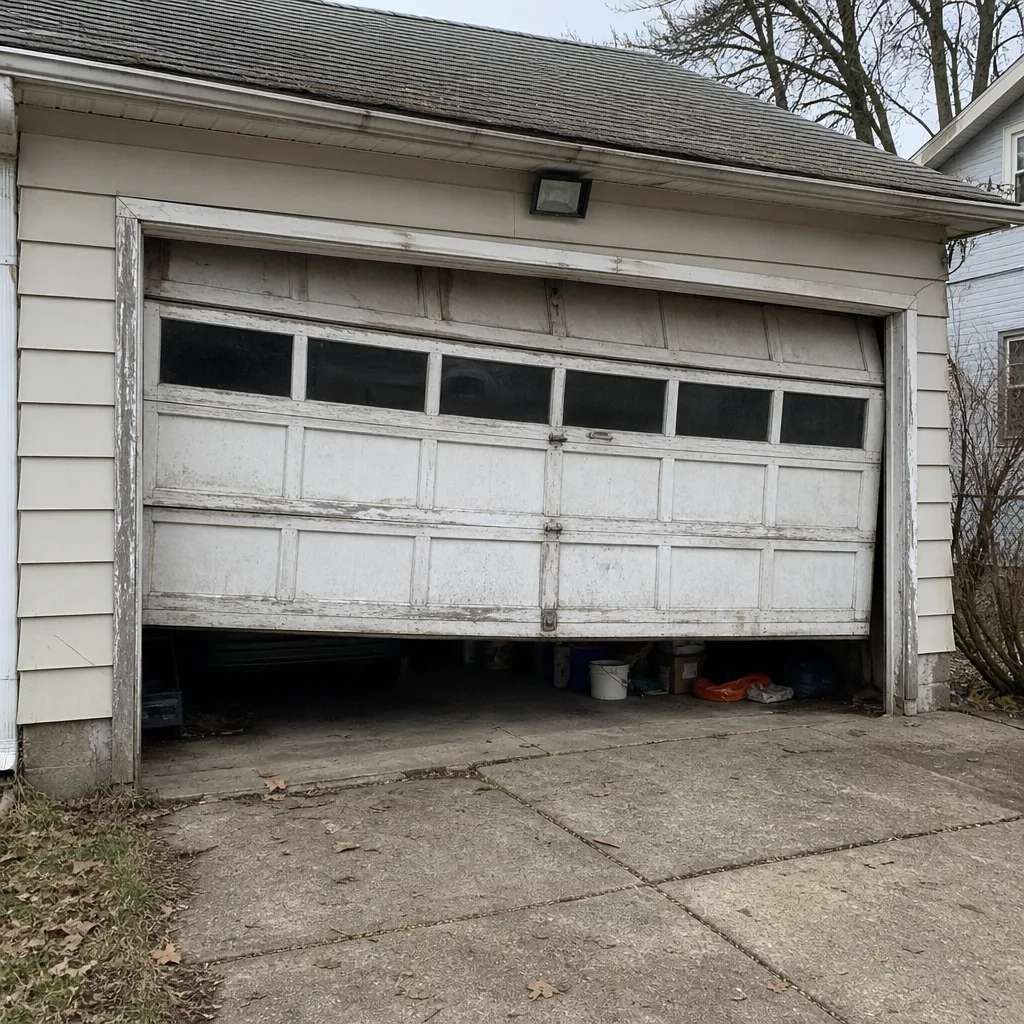 Before
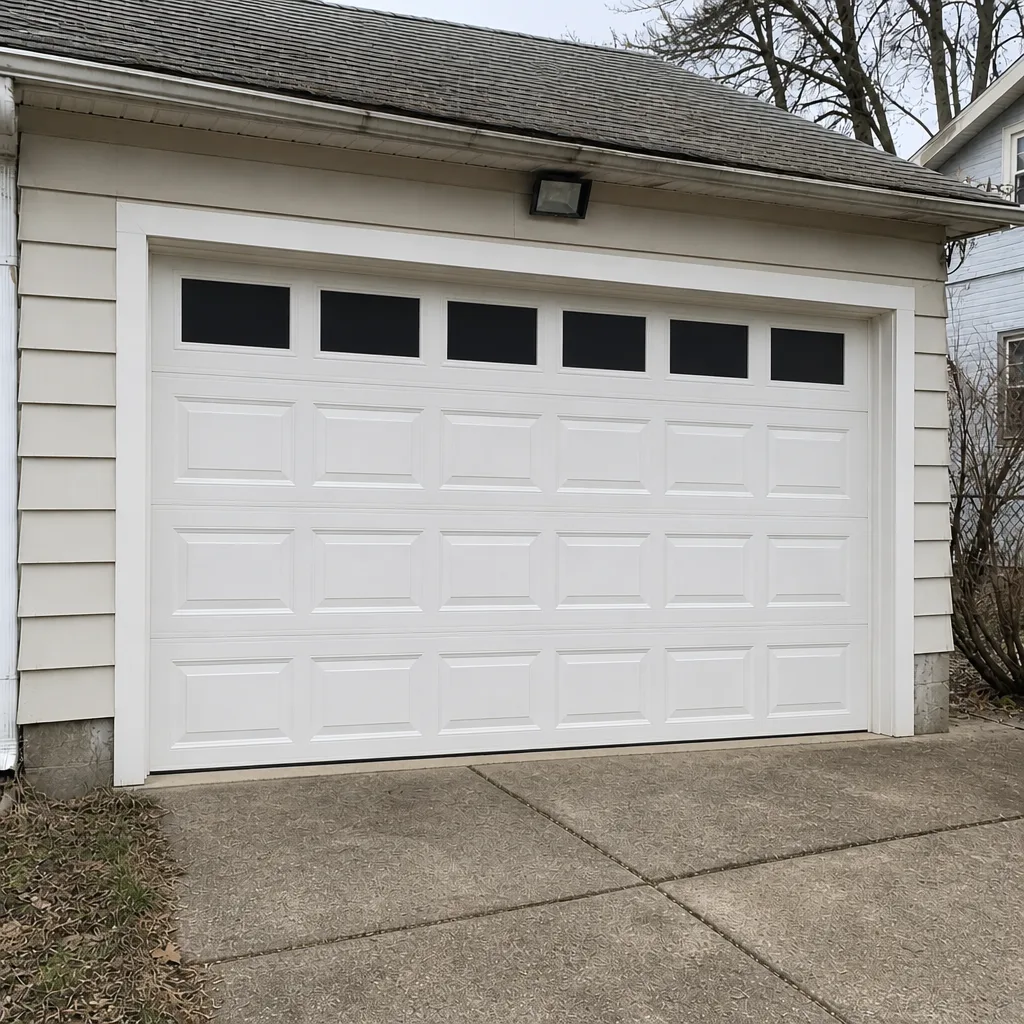 After
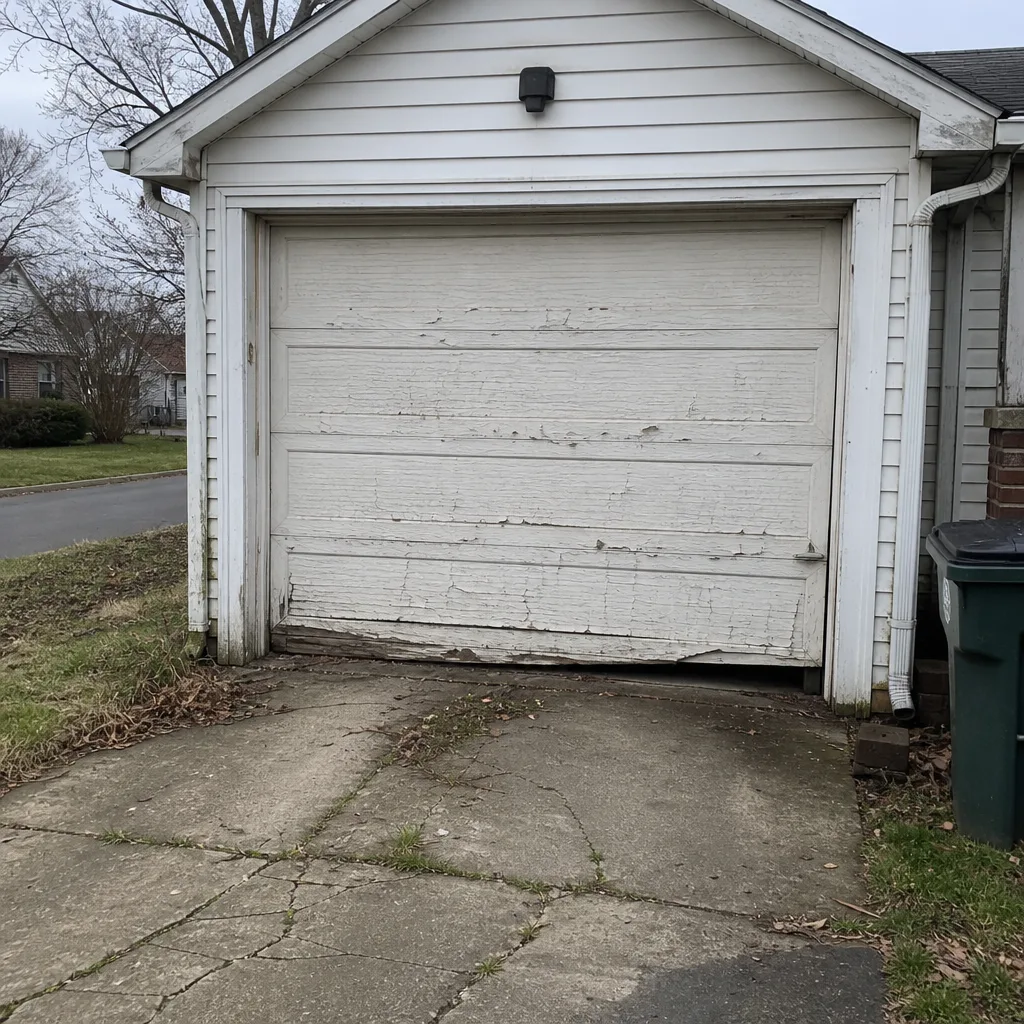 Before
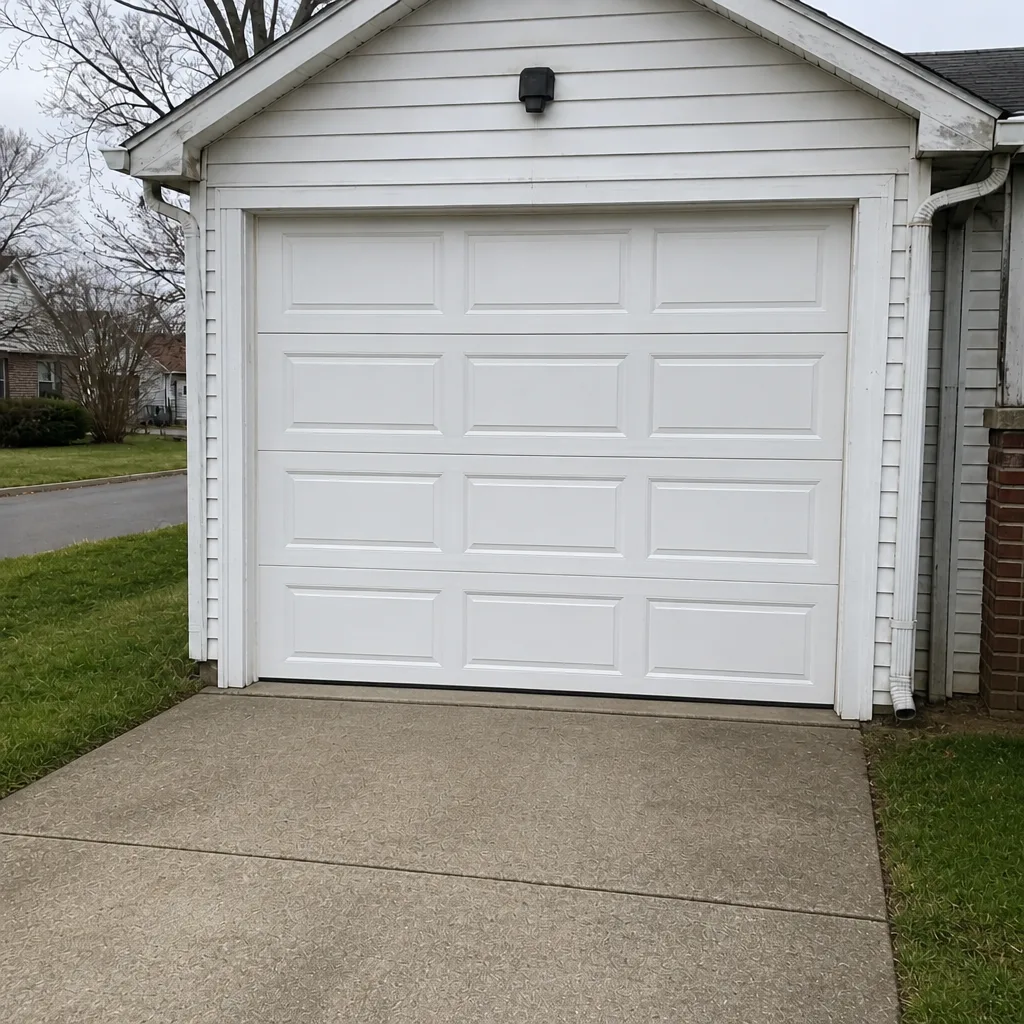 After
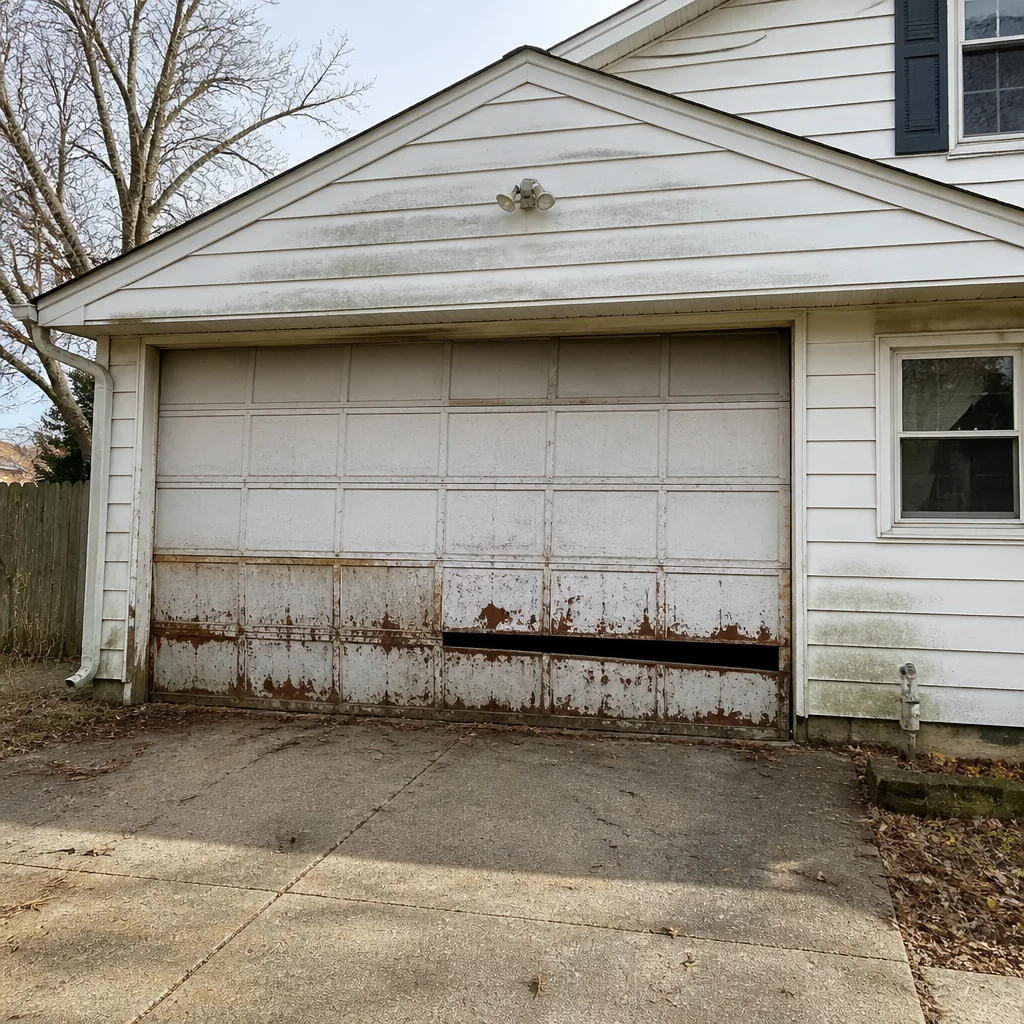 Before
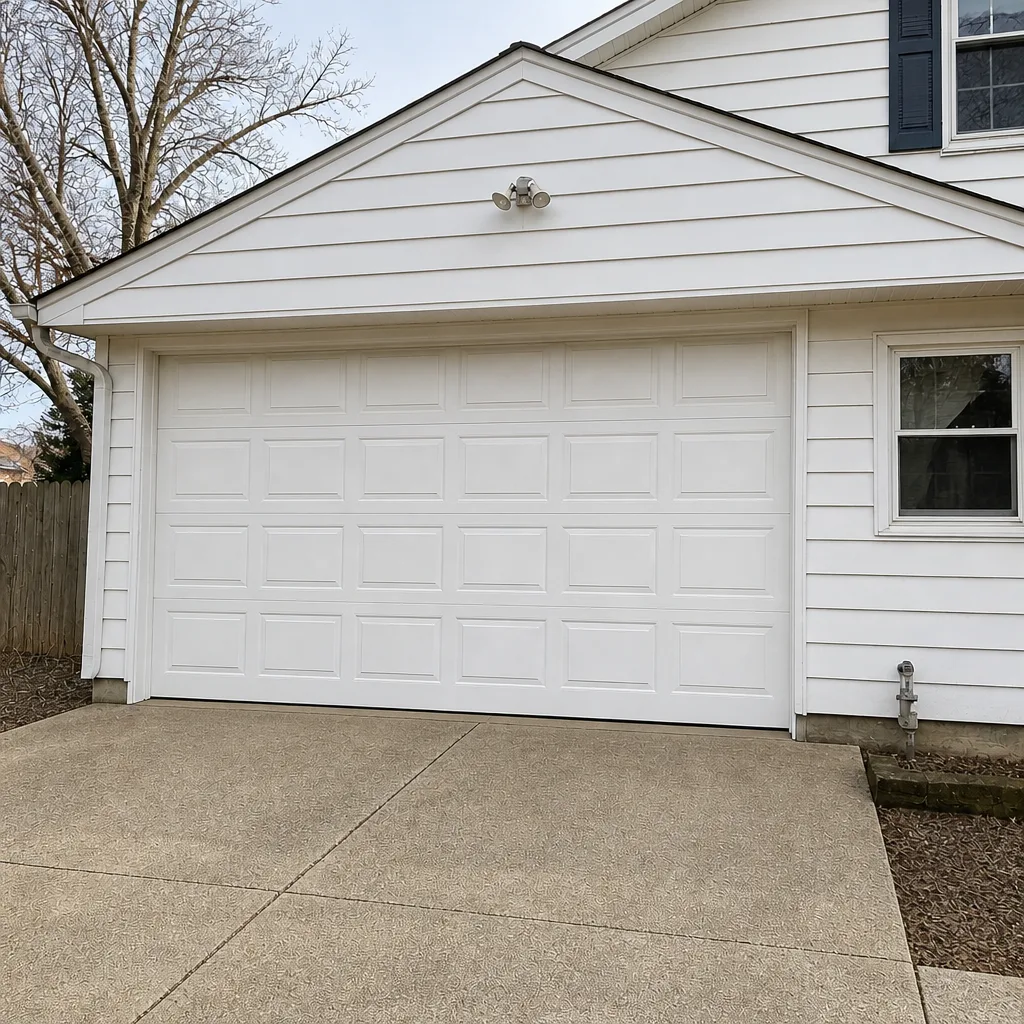 After
When to Call a Professional
Call a professional when a spring has snapped, a cable has come off its drum, or the door is hanging crooked or off its track. Those are the situations where the danger is real and the fix isn’t a homeowner job. Call us too when an opener reverses unpredictably, when a safety sensor won’t stay aligned, when the door is rusted through at the bottom section, or when you’re ready to replace a door and want the opening measured and the job scheduled properly. Any of those is a signal to get a trained eye on the system rather than keep patching it. Bancroft Garage Door Repair offers free estimates in Albany. Call (866) 942-9116 and we’ll get you an honest answer on whether to repair or replace. We answer 24/7 and offer fast dispatch from 7am to 7pm, Sunday through Friday.
Frequently Asked Questions
It depends on the component. A spring replacement is priced per spring, and a matched pair runs about twice a single spring, while cable, roller or hinge repairs are priced by the part. The written estimate sets the final price before any work starts, and estimates are free. Call (866) 942-9116 for an exact quote.
Most straightforward repairs can be handled same day, and we offer fast dispatch from 7am to 7pm, Sunday through Friday. New door installation is a different timeline: it gets measured, ordered and scheduled, not delivered same day. Call (866) 942-9116 and we’ll confirm what’s possible for your job.
No. The price is quoted and agreed before any work starts, and the written estimate is what you pay. If we find something unexpected during the job, we talk it through with you first rather than adding it to the invoice. Call (866) 942-9116 for a free estimate.
Yes, the professionals who do the work are trained, licensed and insured. We work on your brand, from springs and cables to smart openers and circuit boards. Call (866) 942-9116 with your door or opener model and we’ll match the right technician to the job.
Thicker-gauge steel is the practical workhorse for Albany, and composite or vinyl-clad panels handle moisture well. Wood looks great but needs more maintenance here because of the freeze-thaw cycle. The right choice depends on whether your garage is attached or detached, which we can sort out with a free estimate: call (866) 942-9116.
It depends on the project. A same-size replacement may be treated differently than changing the opening’s size or adding an opener, so check with the City of Albany building department or your town’s code office before ordering. Bring your address and a description of the work. If you need a hand identifying what to ask, call (866) 942-9116.
The Bottom Line
Buying or fixing a garage door in Albany means accounting for the climate and the housing stock, not a generic national standard. Go with thicker steel, an opener rated for temperature swings, and insulation matched to whether the garage is attached or detached. Measure the rough opening before any purchase in a pre-1980 home. Check the permit question with your building department early. Repair when one component failed; replace when the door is structurally failing in several places. And treat the springs and cables as professional work for safety’s sake. Get a free, written estimate first, and the price you agree to is the price you pay.
When you’re ready to move from reading to doing, call (866) 942-9116 for a free estimate. We answer 24/7. Fast dispatch from 7am to 7pm, Sunday through Friday.
Written by the team at Bancroft Garage Door Repair.