
Last updated November 16, 2026
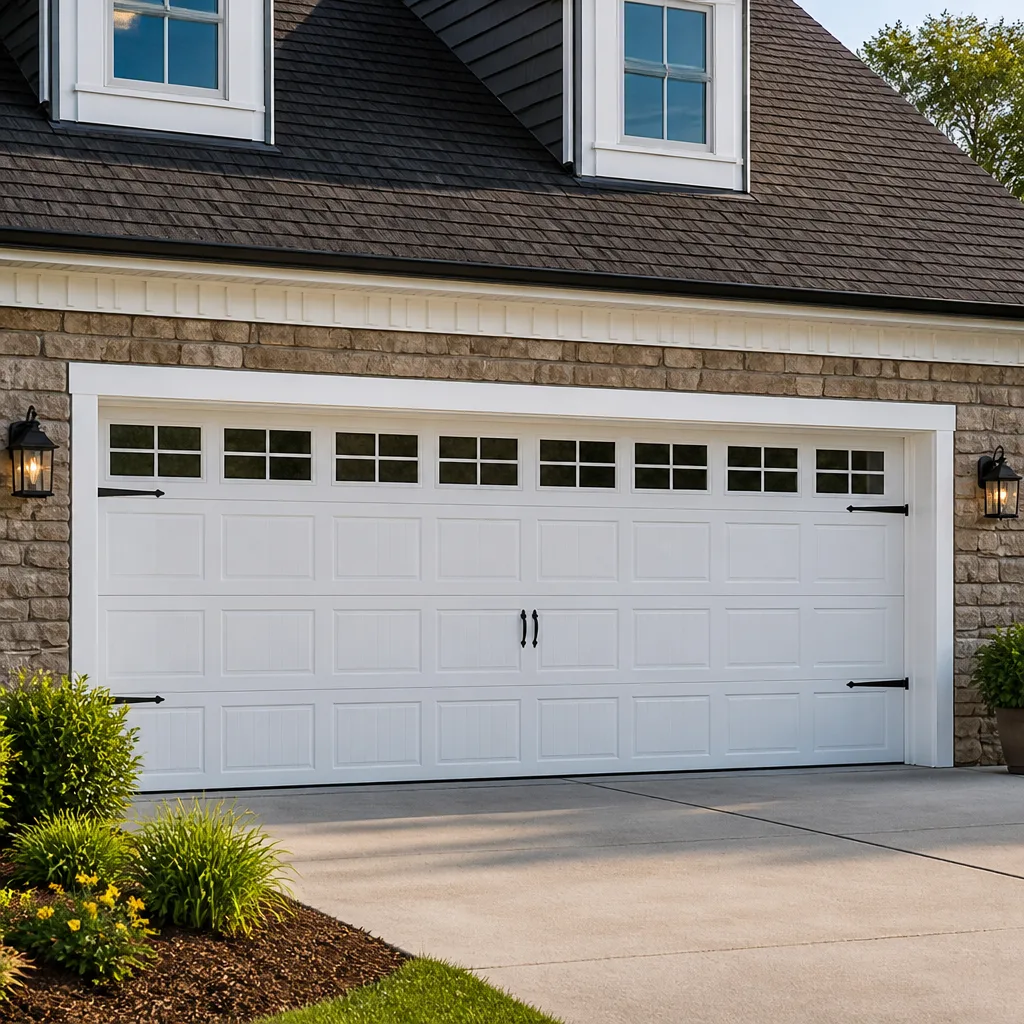
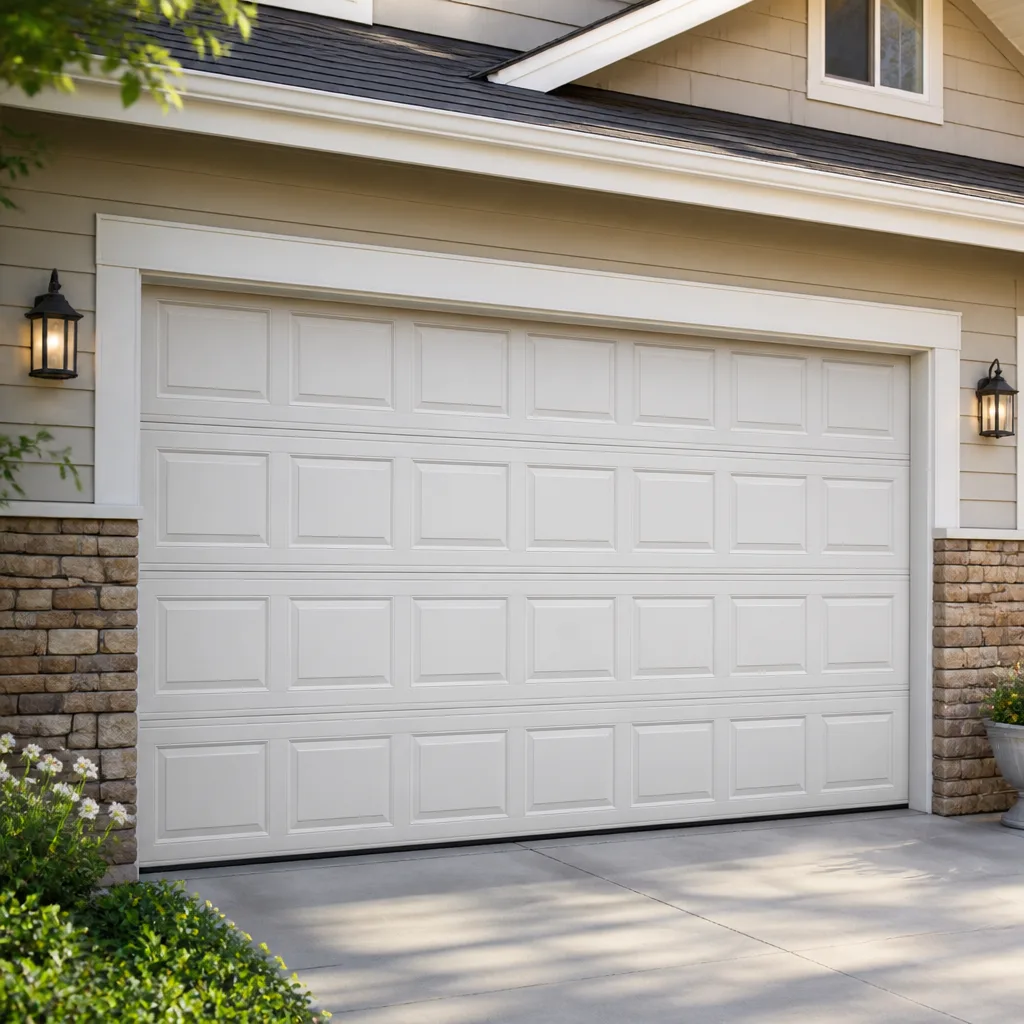 Raised-panel steel
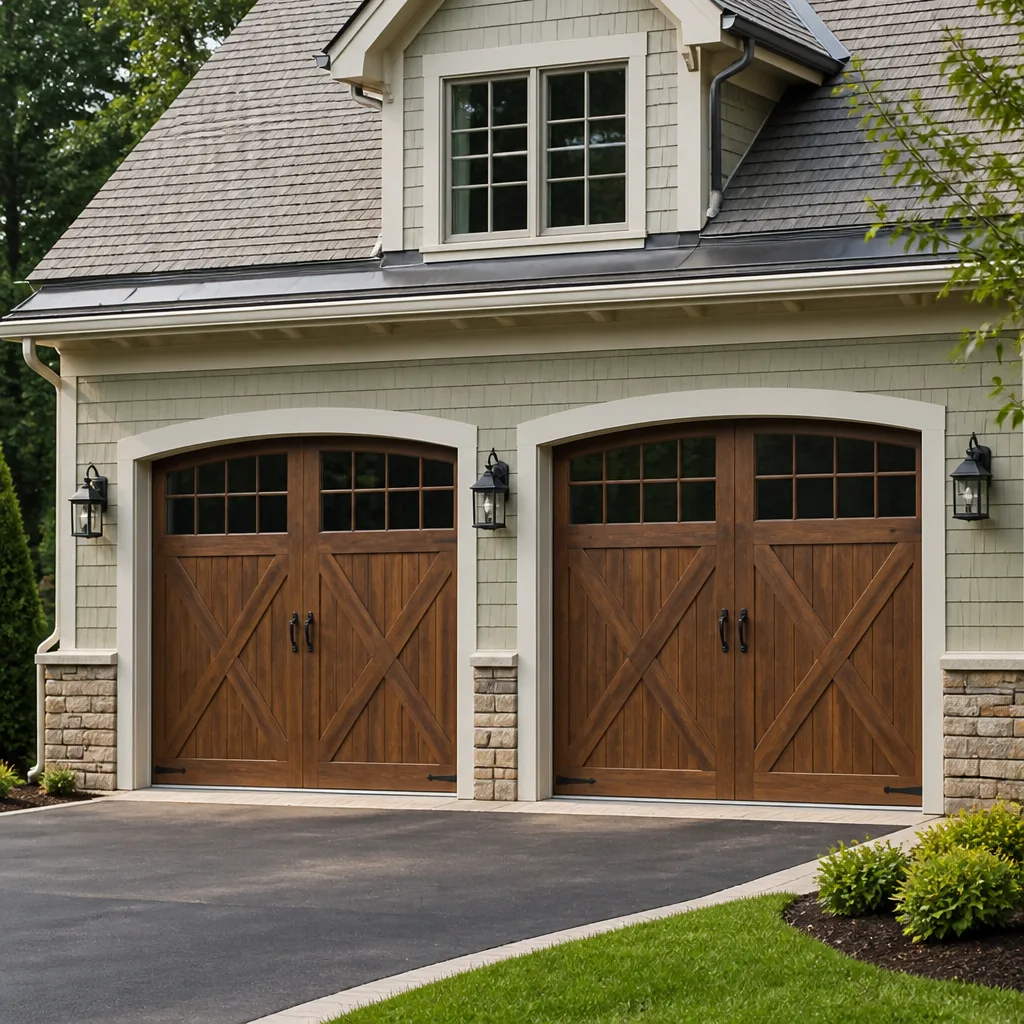 Carriage house
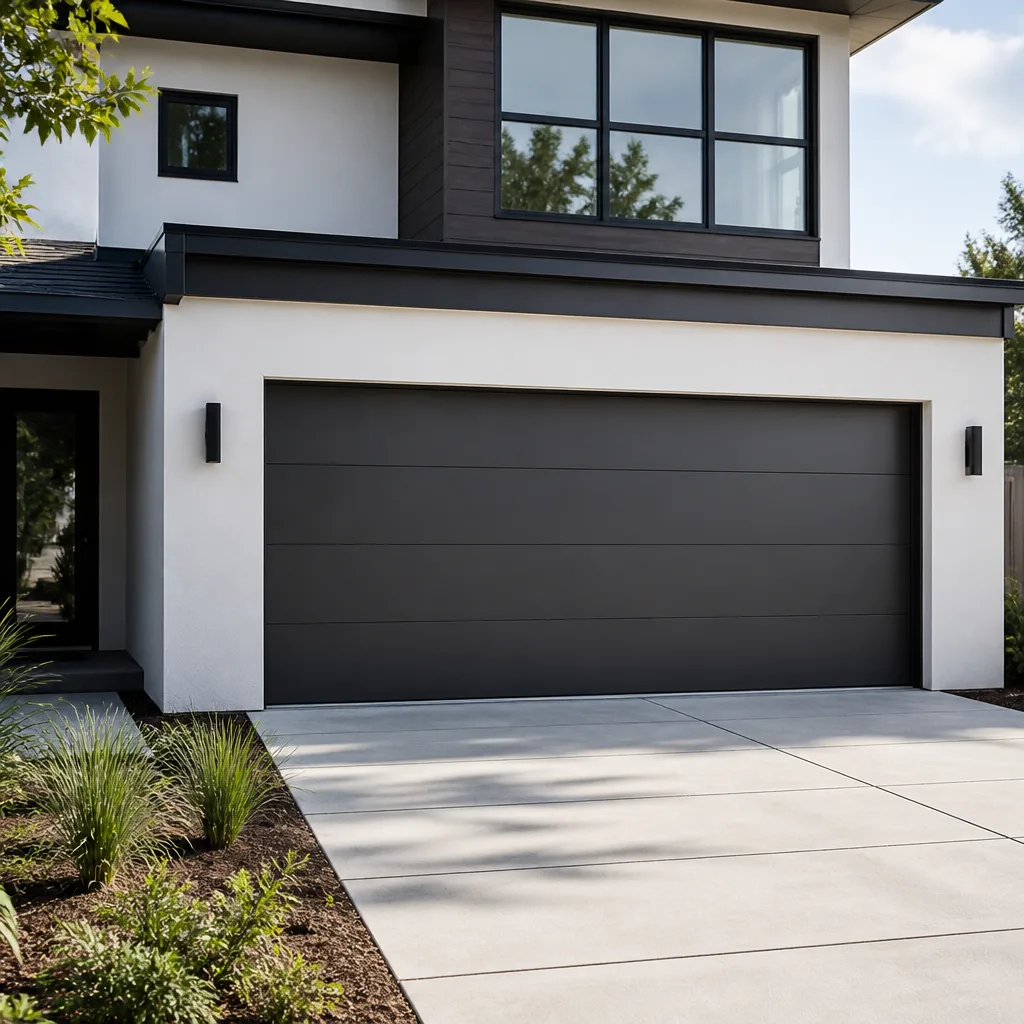 Modern flush
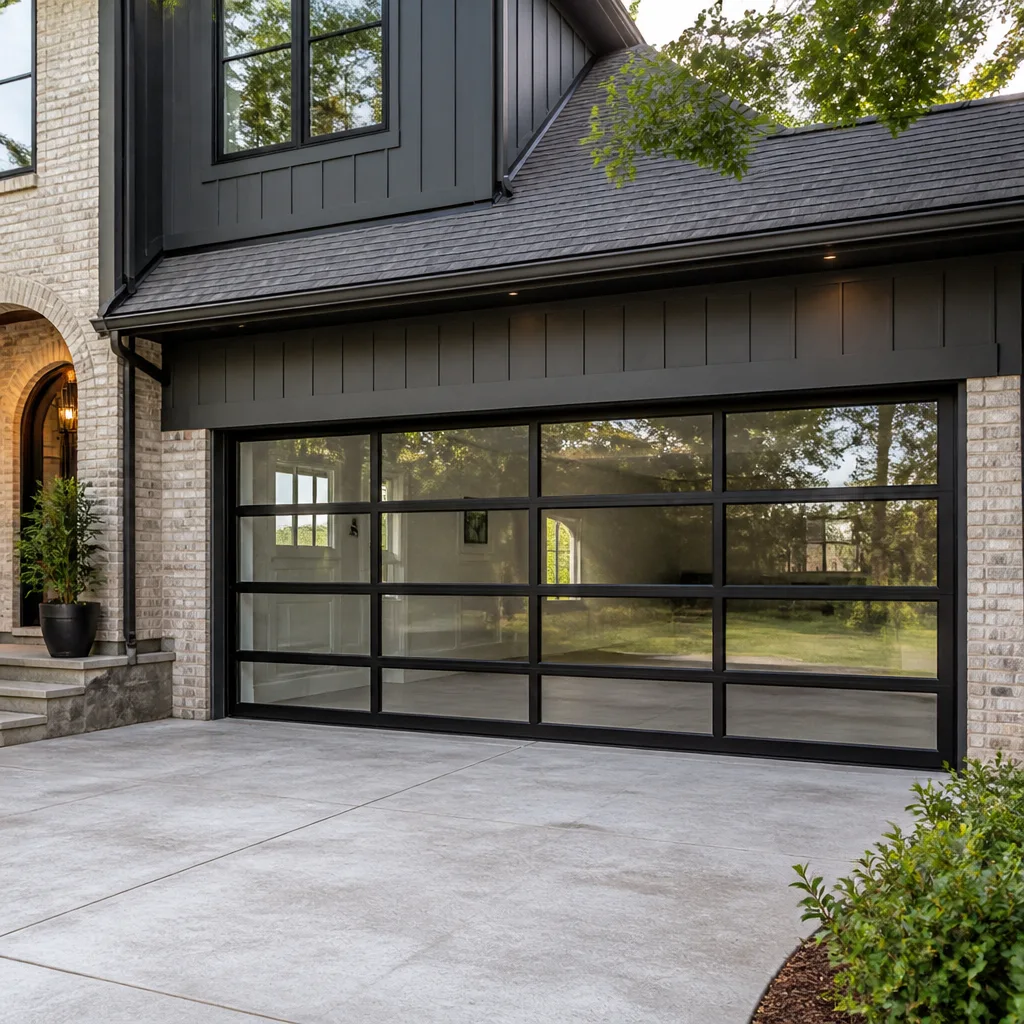 Full-view glass
 LiftMaster openers
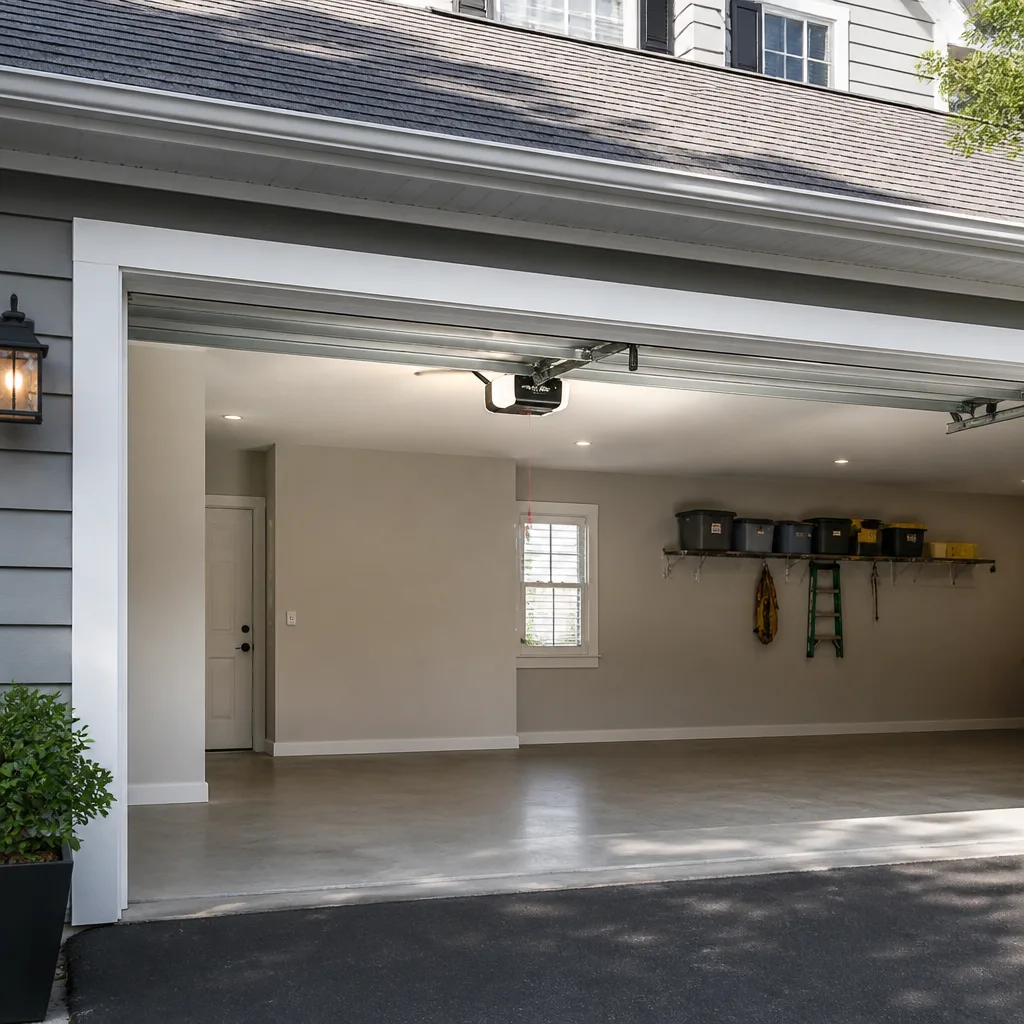 Chamberlain openers
Full 25-point door and opener safety check with every visit - springs, cables, rollers, tracks, and your LiftMaster or Chamberlain opener included
You get a price before we start. It does not change when the pro arrives.
Get your free estimateGarage Door Permits, Codes & Inspections in Albany, NY: What You Need to Know
Replacing a garage door panel doesn’t require a permit. Replacing the entire door on an attached garage in Albany almost certainly does. That distinction costs homeowners nothing to know in advance and can cost a great deal to resolve after a sale falls through.
Most homeowners in Albany either over-permit a simple repair or skip a permit on a replacement that legally needs one. This guide draws the line using Albany County practice and New York State Residential Code language rather than guesses. You’ll learn what separates a repair from an alteration, when the energy code applies to a full replacement, how fire-rated doors work between an attached garage and living space, and what an Albany inspector actually checks.
Quick Answer
In Albany, a garage door repair like swapping a spring, roller or panel generally does not require a building permit. A full door replacement on an attached garage usually does, because it counts as an alteration to the building envelope and triggers energy code review under the 2020 ECCCNYS. Detached garages are treated differently from attached ones, so confirm the requirement with the City of Albany’s building department before you order a door.
Styles & brands we work with
- Raised-panel steel
- Carriage house
- Modern flush
- Full-view glass
- LiftMaster openers
- Chamberlain openers
Table of Contents
- Repair or alteration? Where Albany draws the line
- What NYS Residential Code Section R105 says about permits
- When a replacement triggers the 2020 ECCCNYS
- Fire-rated doors between the garage and living space in Albany
- What an Albany inspector actually looks at
- What happens at a home sale when a replacement was never permitted
- Detached garages: when the rules relax
- A step-by-step permit path for Albany homeowners
Repair or Alteration? Where Albany Draws the Line
The single most useful distinction in this whole topic is repair versus alteration. A repair restores a component to working condition without changing the structure or its performance characteristics. An alteration changes the building itself. In Albany, that line determines whether you pull a permit or simply schedule the work.
What counts as a repair, in practical terms:
- Replacing a torsion spring, extension spring or the matched pair together
- Swapping bent rollers, hinges or a worn bottom bracket
- Replacing a single damaged panel on a sectional door with the same model
- Resetting or replacing a track section
- Repairing or replacing an opener, remote or safety sensor
- Adjusting cables, drums or the balance of the door
What usually counts as an alteration:
- Removing the whole door and installing a new one, even of the same size
- Changing the door’s dimensions, header or opening
- Switching door type, such as going from a tilt-up to a sectional door
- Replacing the door on an attached garage where the wall between garage and house is part of the thermal envelope
This is where most of our calls start. A homeowner in Albany books a garage door repair and then realizes halfway through planning that they actually want a new door. That’s a different job with a different paper trail. It pays to know which one you’re buying before anyone touches the existing door. If you’re in Albany and unsure, describe the work you want done and we’ll tell you which category it lands in.
The practical test we use: if the door frame, header and opening stay exactly as they are and only components change, it’s a repair. If the door itself leaves the building, it’s an alteration.
What NYS Residential Code Section R105 Says About Permits
New York State Residential Code Section R105 is the section that governs when a building permit is required. R105 establishes the general rule that construction, alteration, movement, enlargement, replacement, repair, equipment, use and occupancy, location, removal and demolition of buildings and structures require a permit, and then lists the exemptions. Garage door work sits in the gap between those two ideas.
R105 is where the practical answer lives, but the word “replacement” matters. The section does not exempt replacing the entire door. It does exempt ordinary repairs that do not affect structural elements, egress, light, ventilation or energy efficiency. That last word is the one that catches garage door replacements on attached garages, because the door is part of the thermal boundary. When you swap the whole door, you’ve touched the energy efficiency of the envelope.
Here is the short version for Albany homeowners:
- Identify whether your garage is attached or detached from the house.
- Decide whether the work is component-level (repair) or door-level (replacement).
- If it’s door-level on an attached garage, assume a permit is required and confirm with the City of Albany’s building department.
- If it’s a component repair, a permit is usually not required.
The code also allows the building official to interpret the line. That’s why a phone call to the department beats a guess every time. We’ve seen Albany homeowners save themselves days of back-and-forth by asking the department directly before they ordered a replacement door. The department’s answer controls.
When a Replacement Triggers the 2020 ECCCNYS
New York adopted the 2020 Energy Conservation Construction Code of New York State (ECCCNYS), and that code applies to garage doors on attached garages at replacement, not at repair. That is the practical trigger most Albany homeowners miss. A spring replacement is invisible to the energy code. Replacing the entire door on an attached garage is not.
What this means in plain English:
- The replacement door must meet the energy code requirements in effect at the time of the permit.
- The door’s U-factor and solar heat gain characteristics matter, and the manufacturer’s published data is what the reviewer uses.
- You don’t need to memorize the numbers. You need to know that the door you choose must be documented for the permit reviewer.
- A matched door and opener pairing helps here. A Clopay or Amarr door that comes with published performance data is easier to document than an unmarked door of unknown origin.
This is where brand fluency pays off. When a homeowner is choosing a replacement on an attached garage in Albany, the door’s published specification sheet is part of what the permit reviewer will want to see. Doors from Clopay and Amarr come with that documentation as standard. We can pull the numbers you need and hand them over with the estimate.
Detached garages do not fall under the same energy code review, because they aren’t part of the conditioned envelope. If your garage is freestanding, the energy code conversation mostly ends before it starts.
Fire-Rated Doors Between the Garage and Living Space in Albany
If your attached garage shares a wall with living space, the door between the garage and the house is a fire separation element. In Albany, that door is treated as part of the separation requirement between the garage and the dwelling. That rule has real consequences for what kind of door you can install and what the inspector checks.
What matters here:
- The door between garage and house, not the overhead garage door, is the fire-rated component. The overhead door is not fire-rated.
- The house-to-garage door must be solid or self-closing, and it should latch properly.
- Doors should not be propped open permanently, and the self-closer must be intact.
- If you have a Clopay or Amarr overhead door with windows, the windows must not compromise the separation between the garage and the house.
This trips up homeowners who assume the overhead door is the fire door. It isn’t. The overhead door is the exterior envelope element, and the house-to-garage door is the fire separation element. They do different jobs.
If you’re choosing a new overhead door for an attached garage in Albany and you’re also updating the house entry door, choose them together so both are documented on one permit. It’s easier for the reviewer and easier on you. If you’re simply repairing the overhead door, that’s a separate scope and the fire separation rule doesn’t change.
What an Albany Inspector Actually Looks At
Here’s the part of the process most guides skip. The inspector and the permit reviewer ask for different things. The permit reviewer looks at the application packet, and the inspector looks at the installed work. Both matter, and both can stop the job if they don’t line up.
The permit reviewer will typically want:
- The completed permit application with the property address and scope of work.
- The door manufacturer’s specification sheet showing the model and performance data.
- A drawing or description of the installation, including the opening size and header.
- Any contractor licensing or insurance information the town requires.
The inspector on site will typically check:
- The installed door matches the door that was approved on the permit.
- The door operates smoothly and the springs, cables and tracks are properly installed.
- The opener’s safety reversal and photo-eye sensors work correctly.
- The fire-rated door between garage and house, if it was part of the scope, closes and latches.
- The door seals reasonably against weather and the opening is framed as described.
What the inspector usually does not do is open the opener’s circuit board and test the smart features. That’s an area where garage door opener repair and permit review don’t overlap. If you’re installing a new LiftMaster or Genie opener alongside a permitted door, the safety sensor check is the one the inspector will actually run, and it’s the one most homeowners get wrong when they install a unit themselves.
The other thing the inspector checks that surprises people: the door on the approved plan is the door in the opening. If the door was swapped at the last minute for a different model, the inspection fails and the permit has to be revised. Order the door that’s on the permit.
What Happens at a Home Sale When a Replacement Was Never Permitted
This is the scenario that costs homeowners the most, and it happens quietly. A garage door replacement is done without a permit. The work is fine. Years pass. Then the house goes on the market and the buyer’s inspection flags the door as newer than the rest of the garage envelope, or the buyer’s attorney asks for a permit history through the City of Albany. Now the seller has to prove the work was done properly and permitted, or resolve the gap.
What usually follows:
- A delay in the closing while the seller arranges a permit application after the fact.
- An inspector visit to confirm the door that’s installed matches the door on the new application.
- A possible negotiation credit to the buyer for the unpermitted work, which can be larger than the permit fee ever was.
- In cases where the door was also never code-compliant on energy or fire separation, a second correction on top of the permit.
This is why we tell Albany homeowners the permit cost is the cheap part. The expensive part is discovering the gap a week before closing. If your garage door replacement is already done and you’re not sure about the paperwork, and you’re planning to sell, the time to check is before the listing goes live, not after the buyer’s inspector finds it.
The same logic applies to new installation. A garage door installation in Albany with a permit and an inspection report is a selling point, not a liability. It’s documentation that the envelope is properly done.
Detached Garages: When the Rules Relax
A detached garage is a separate structure, and that changes the paperwork. Because it isn’t part of the conditioned envelope of the house, the energy code review under the 2020 ECCCNYS does not apply to a door replacement on a detached garage. The fire separation rule between garage and living space also doesn’t apply, because there’s no shared wall.
What still applies on a detached garage in Albany:
- Structural safety. The header and frame must support the door.
- Proper operation. The door and its opener must function and reverse correctly.
- Electrical work. If the opener is being wired new, that electrical work may need its own permit.
- Local zoning. Some properties in Albany have additional setback or structure rules on detached garages, so ask the department if you’re modifying the structure itself.
In practice, a detached garage door replacement is usually simpler, but not automatic. Ask the City of Albany’s building department directly. It’s a five-minute conversation that prevents a five-week headache.
A Step-by-Step Permit Path for Albany Homeowners
Here’s the path we walk homeowners through before a permitted replacement gets scheduled. None of it is complicated. It just has to happen in order.
- Confirm the requirement. Call the City of Albany’s building department with your address, whether the garage is attached or detached, and a one-line description of the work. Ask them what they need for this scope.
- Choose the door and the opener together. Pick the door first, because the permit documents the door. Then pick the opener that works with it. If the door is a Clopay and the opener is a Genie, that’s fine. Most brands work together. Just know both before you apply.
- Get the manufacturer documentation. Ask for the specification sheet for the door you picked. This is what the permit reviewer wants most.
- Submit the application. Include the scope, the spec sheet, the drawing or description, and any contractor information the department requires.
- Get the approval before ordering. Don’t buy a non-returnable door on a permit that hasn’t been approved. It happens, and it’s expensive.
- Schedule the installation. Measure, order, install. If something in the opening is different from what the plan showed, stop and update the permit before continuing.
- Book the inspection. When the door is installed and operating, call for the inspection. Walk the inspector through the door and the opener, including the safety sensor test.
- Keep the signed-off permit. File it with your house records. It’s the documentation that makes a future sale smoother and answers the buyer’s inspector before they ask.
If you’re in Albany and you want the door side of this handled by people who do it every day, that’s the conversation we’re set up for. We work with the brands that carry the documentation the permit review wants, and we can hand over the spec sheet with the estimate.
Common Mistakes to Avoid
- Skipping the permit on a “same size” replacement. Matching size doesn’t make it a repair. If the door itself is being replaced, the permit requirement usually kicks in on an attached garage, even for an identical dimension.
- Assuming the overhead door is the fire-rated door. It isn’t. The fire separation is the house-to-garage door. Confusing the two is one of the most common points of confusion we see in Albany homes.
- Buying the door before the permit is approved. If the reviewer asks for a change, you’re holding a non-returnable door you can’t install. Order after the approval.
- Swapping the model at the last minute. A different door than the one on the permit means a failed inspection and a permit revision. Order the model that’s on the paper.
- Ignoring the opener’s safety sensor on inspection day. The photo-eye and reversal check is the opener item the inspector actually tests. Make sure both sensors are aligned, unobstructed, and functional before the visit.
- Assuming detached garages are exempt from everything. They skip the energy code review, but electrical work and structural changes can still need permits. Ask the City of Albany’s building department.
- Forgetting to file the signed-off permit. When you sell, the paperwork is your evidence. A drawer with the door receipt but no permit is a problem you can’t undo later.
See the difference
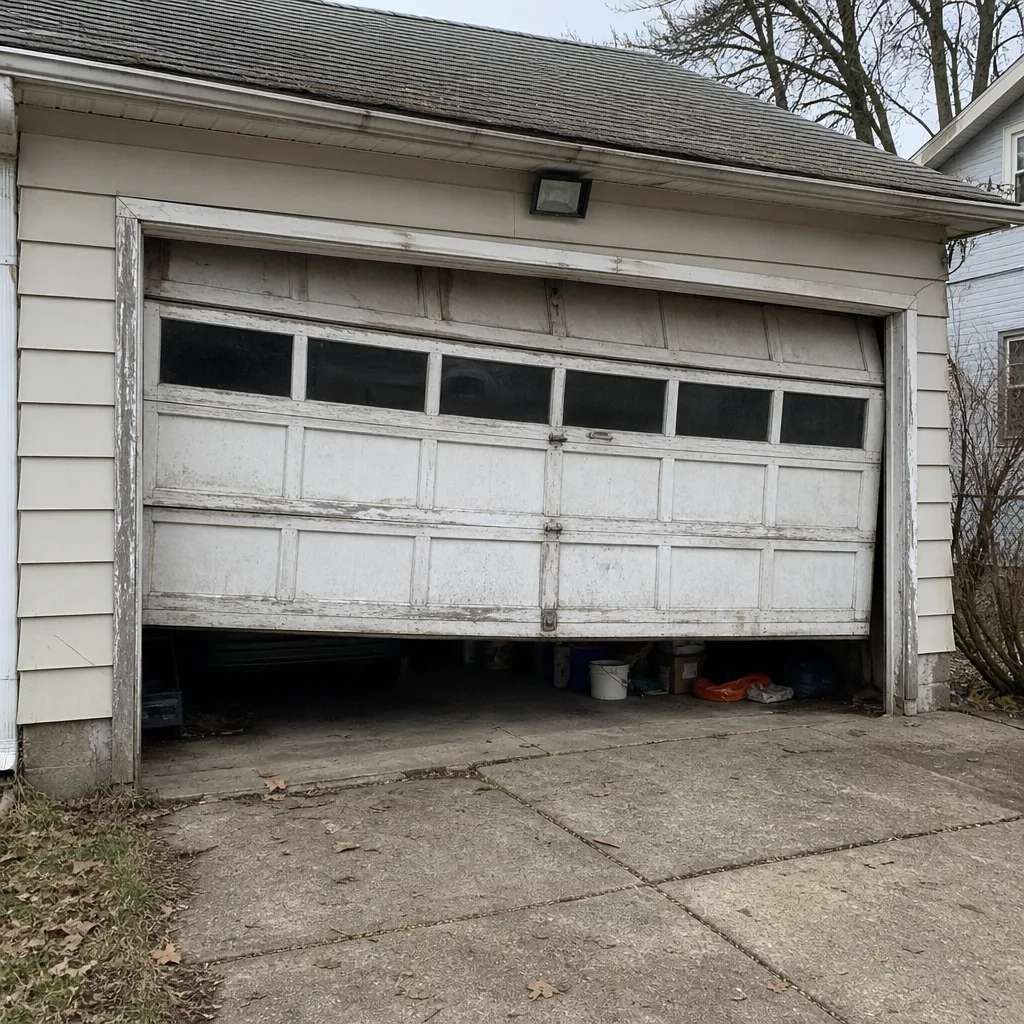 Before
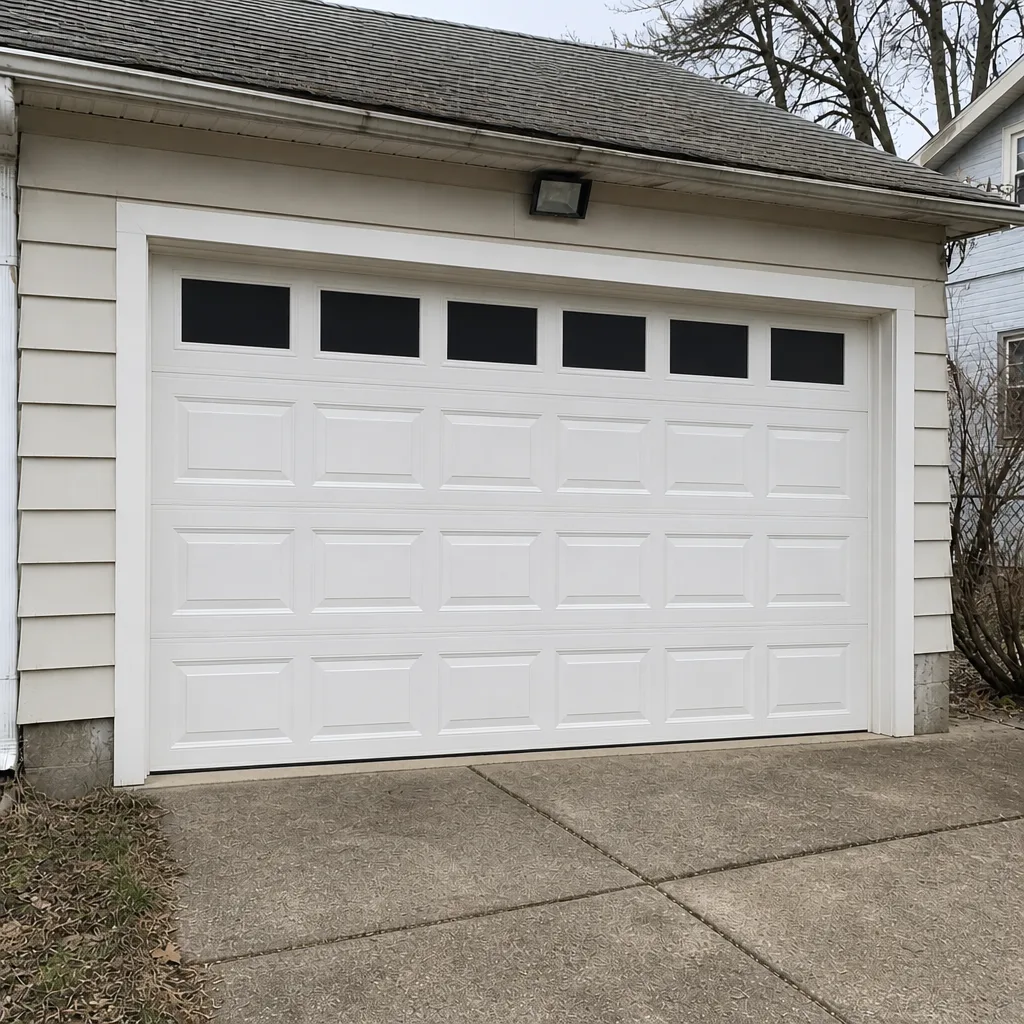 After
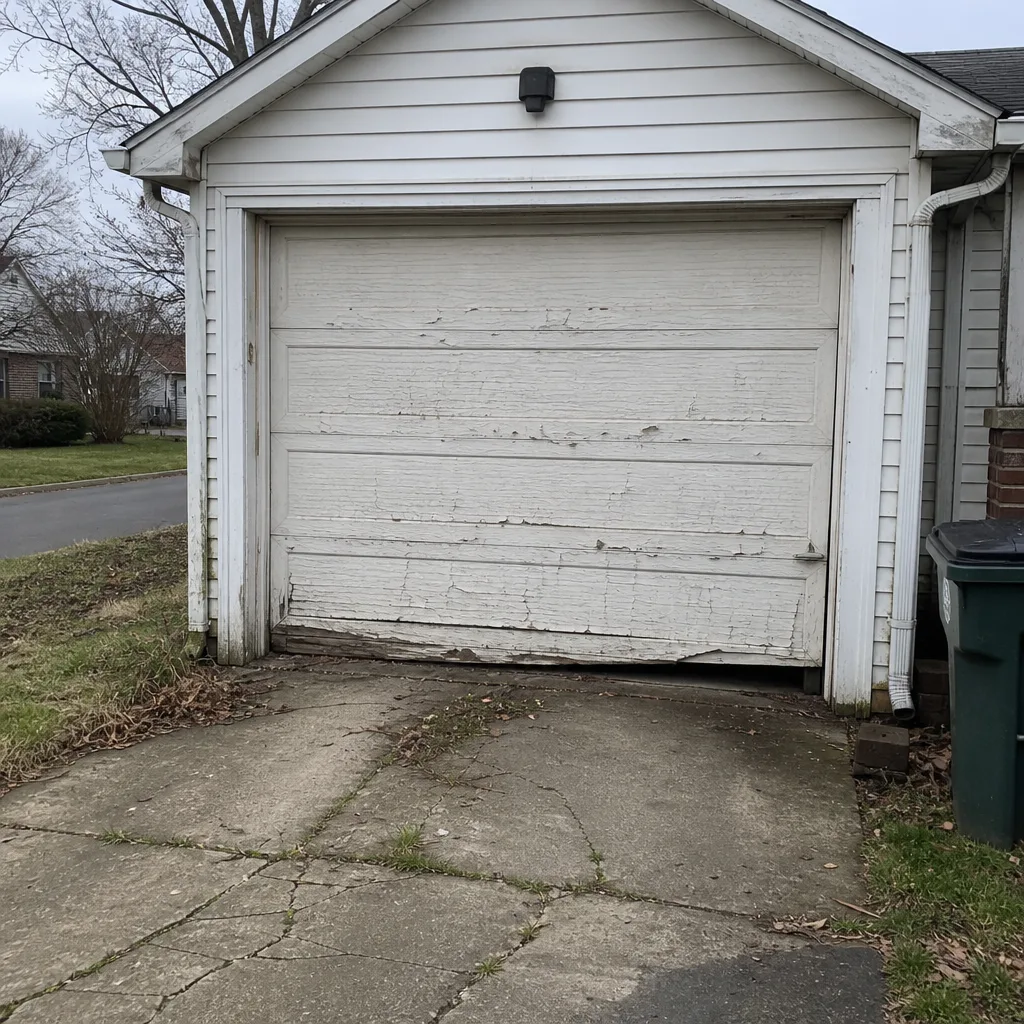 Before
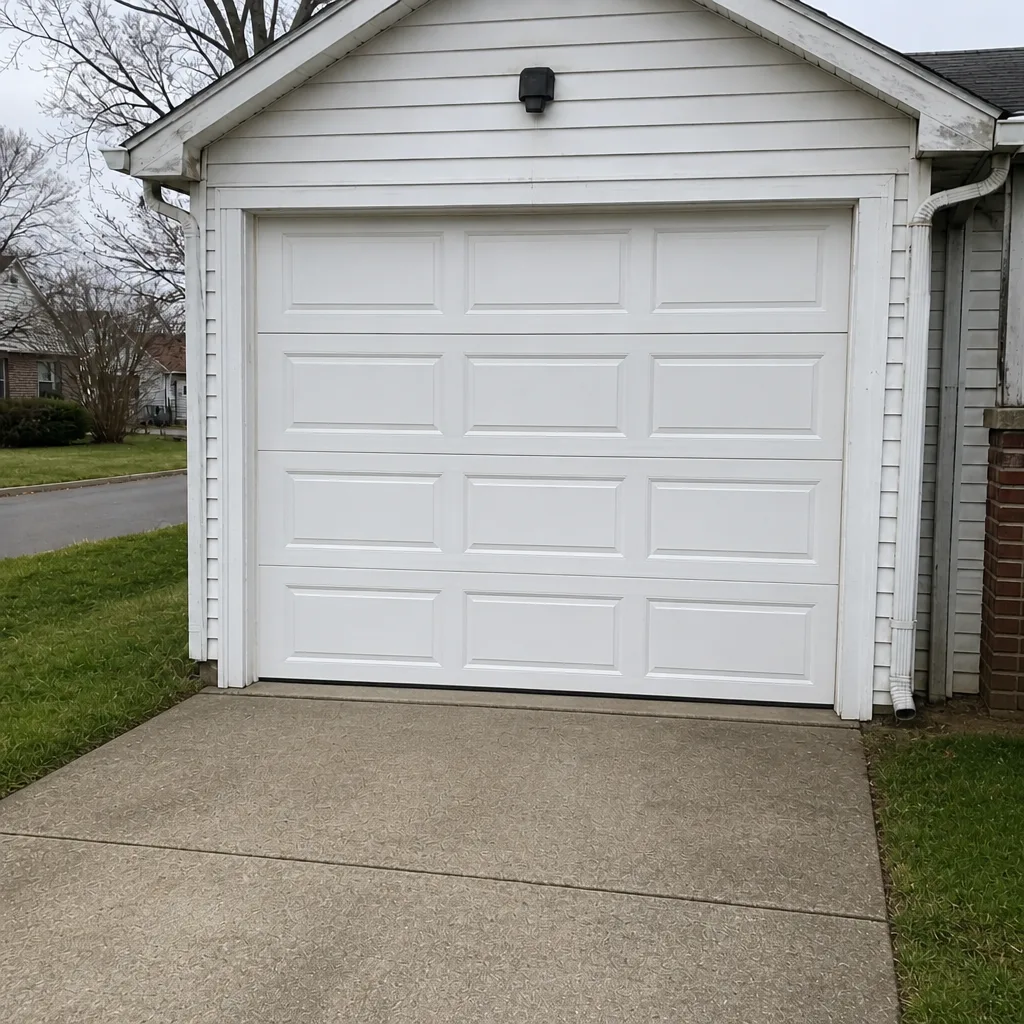 After
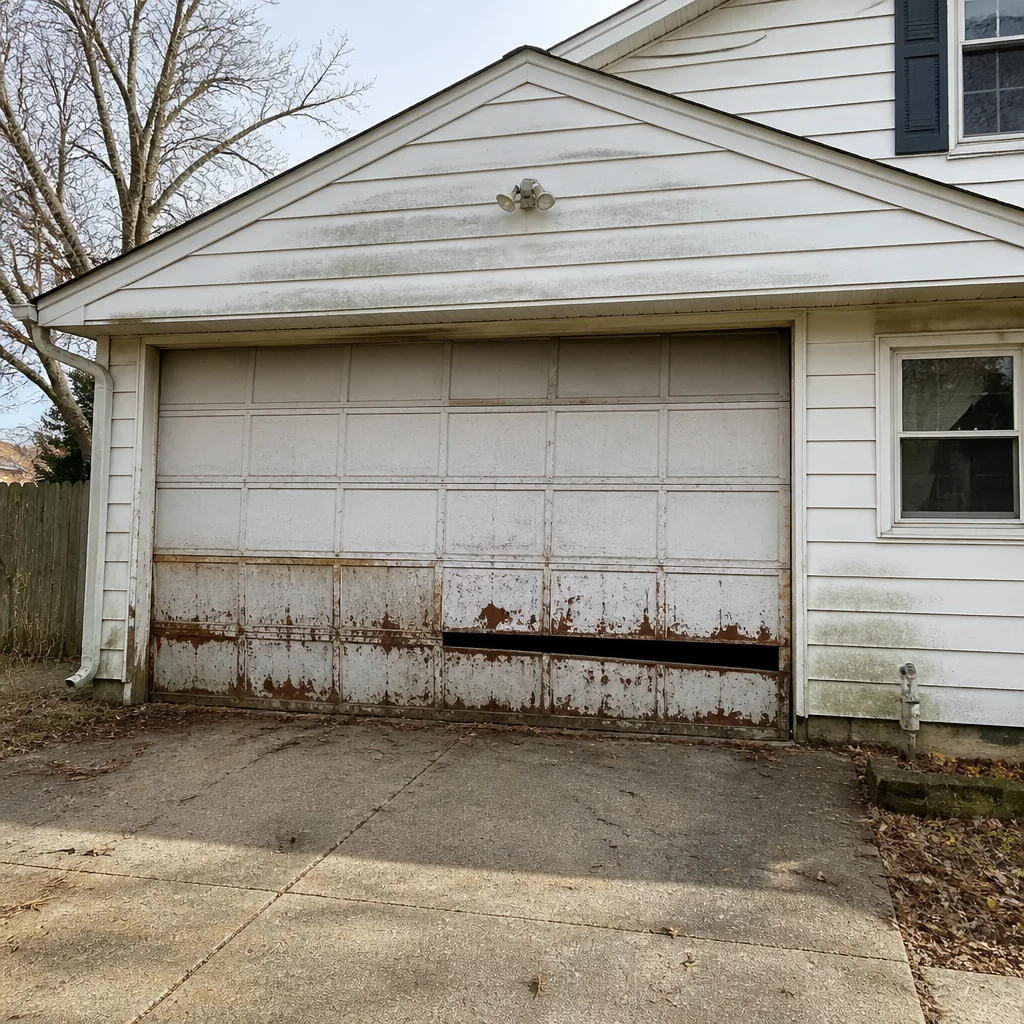 Before
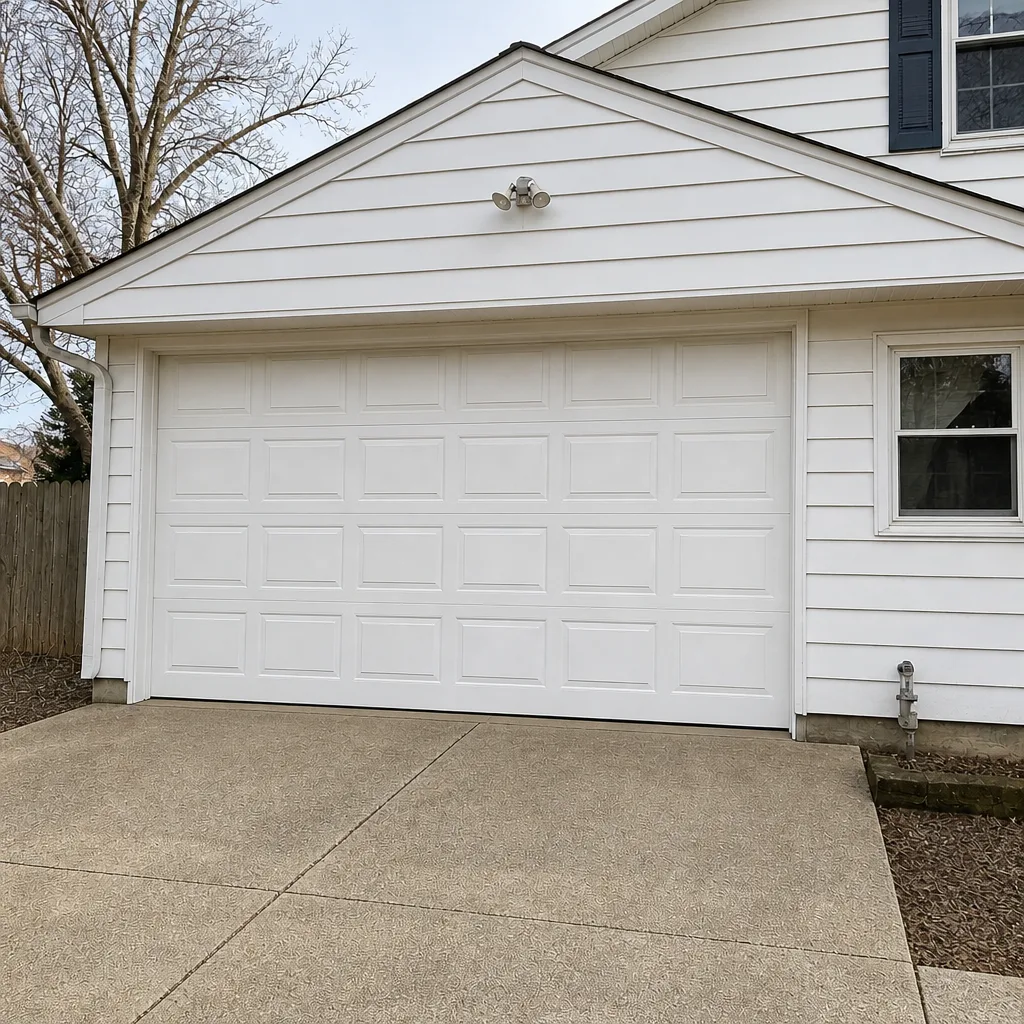 After
When to Call a Professional
Some garage door tasks are safe to think about yourself: choosing a color, deciding on windows, comparing smart opener features. Others need a technician, and the safety line matters. Torsion springs and cables are under high tension. A spring or cable that lets go during a DIY install can cause serious injury, and this is the one area of the job where a mistake has no easy undo. Panel and door installation also involves a heavy object overhead that has to be balanced and secured correctly. And any electrical work around a new opener is best left to someone trained on it.
Bancroft Garage Door Repair offers free estimates in Albany. We work on Chamberlain, Genie and the other major opener brands, and on Clopay, Amarr and the other door manufacturers. Garage doors are all we do, so we can tell you whether you’re looking at a repair or a replacement and what the permit path looks like for each. Call (866) 942-9116. We answer 24/7. Fast dispatch from 7am to 7pm, Sunday through Friday.
Frequently Asked Questions
On an attached garage, usually yes. A full door replacement counts as an alteration to the building envelope and triggers review under the 2020 ECCCNYS, along with the standard permit requirement in NYS Residential Code Section R105. On a detached garage, the energy code review does not apply, but the department may still want paperwork for structural or electrical scope. Call the City of Albany’s building department with your address to confirm before ordering. Call (866) 942-9116 for an exact quote on the door and installation side.
No. A spring replacement is a component-level repair and does not require a building permit in Albany. This is the clearest line in the whole permit picture. Replacing the matched pair of springs doesn’t touch the building envelope, doesn’t change the door, and doesn’t affect energy performance. Call (866) 942-9116 if you want a written quote for a spring replacement.
A repair restores a component to working condition, and an alteration changes the building itself. Springs, rollers, hinges, cables and single panels are repairs. Removing and installing the whole door, changing the door type or resizing the opening are alterations. The distinction drives whether you pull a permit. If you’re unsure which side your job falls on, describe it to us and we’ll tell you. Call (866) 942-9116 for a free estimate.
Most of the check is whether the installed door matches the door on the approved permit, whether the door operates smoothly, and whether the opener’s safety reversal and photo-eye sensors work. The fire-rated door between the garage and the house is checked if it was in scope. What the inspector usually does not test is the opener’s smart features or circuit board. Call (866) 942-9116 if you want a pre-inspection walkthrough.
Yes, if the garage is attached. The 2020 Energy Conservation Construction Code of New York State applies to garage doors on attached garages at replacement, and the door’s published performance data is what the permit reviewer uses. Detached garages are not part of the conditioned envelope, so the energy code review does not apply. Call (866) 942-9116 and we’ll pull the documentation you need with the estimate.
The buyer’s inspector or attorney may ask for the permit history through the City of Albany, and the missing permit becomes a closing issue. The seller usually has to apply for a permit after the fact and get an inspector out to confirm the installed door matches the application. Sometimes a credit to the buyer is negotiated. The time to check is before the listing goes live. Call (866) 942-9116 if you need a walkthrough of what’s installed.
It should be. The door between an attached garage and living space is treated as part of the fire separation requirement, and it should be solid or self-closing and latch properly. The overhead garage door is not a fire-rated component. If you’re replacing both, put them on one permit so the reviewer sees the whole scope. Call (866) 942-9116 with questions about the overhead door side.
The Bottom Line
The permit question in Albany comes down to two words: repair or alteration. Component-level repairs like springs, rollers, hinges and single panels don’t need a permit. A full door replacement on an attached garage almost certainly does, and it pulls in the 2020 ECCCNYS energy code review along with the standard R105 requirement. The fire-rated door between garage and house is a separate element and it’s the one the inspector will check when it’s in scope. Confirm the requirement with the City of Albany’s building department before you order, keep the signed-off permit with your house records, and the home sale inspection stops being a problem. When it comes to choosing the door and the opener, pick both together and keep the documentation. If you want a door side that’s ready for the permit review, call Bancroft Garage Door Repair at (866) 942-9116 for a free estimate. We answer 24/7. Fast dispatch from 7am to 7pm, Sunday through Friday. Our technicians have up to 13 years of experience with Chamberlain, Genie and the other major opener brands, and with Clopay, Amarr and the other door manufacturers. Whether it’s a repair or a replacement, we’ll tell you which one makes sense for your Albany home.
Written by the team at Bancroft Garage Door Repair.