
Last updated November 16, 2026
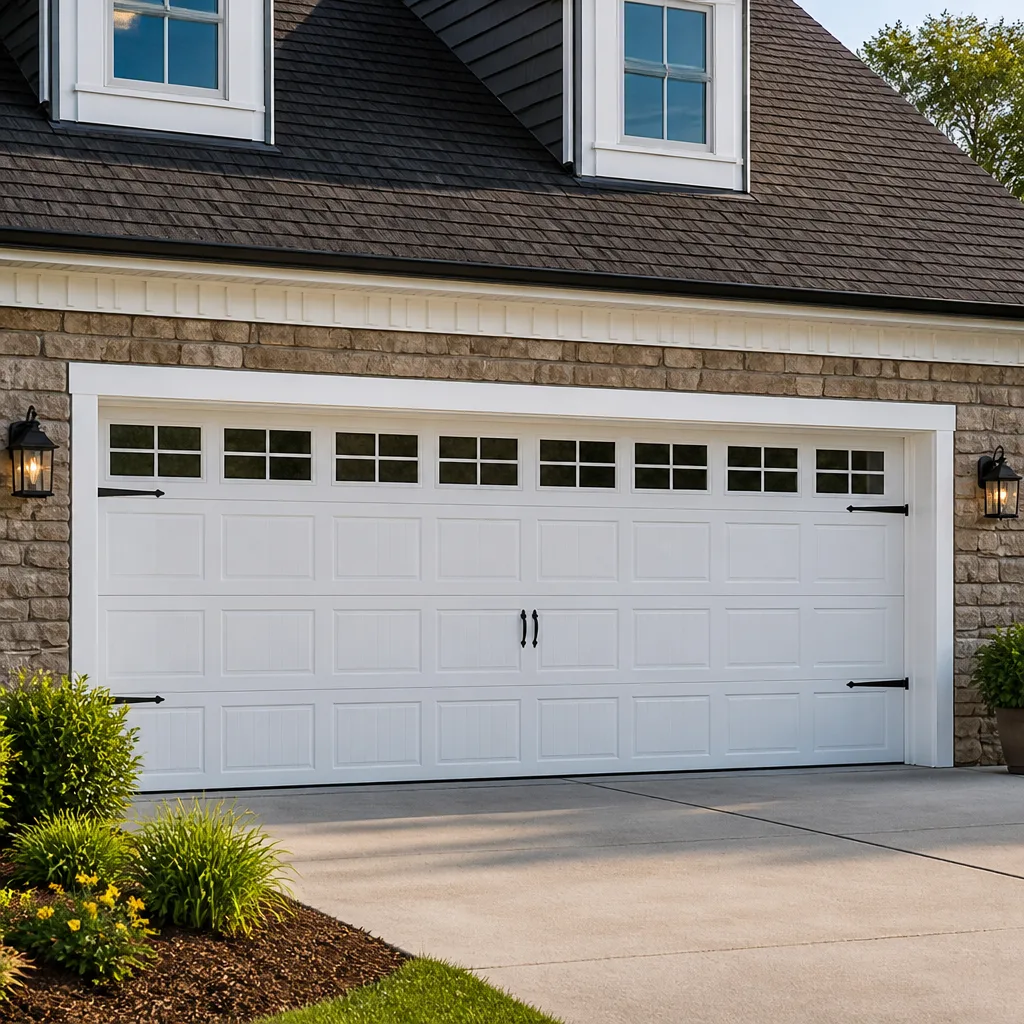
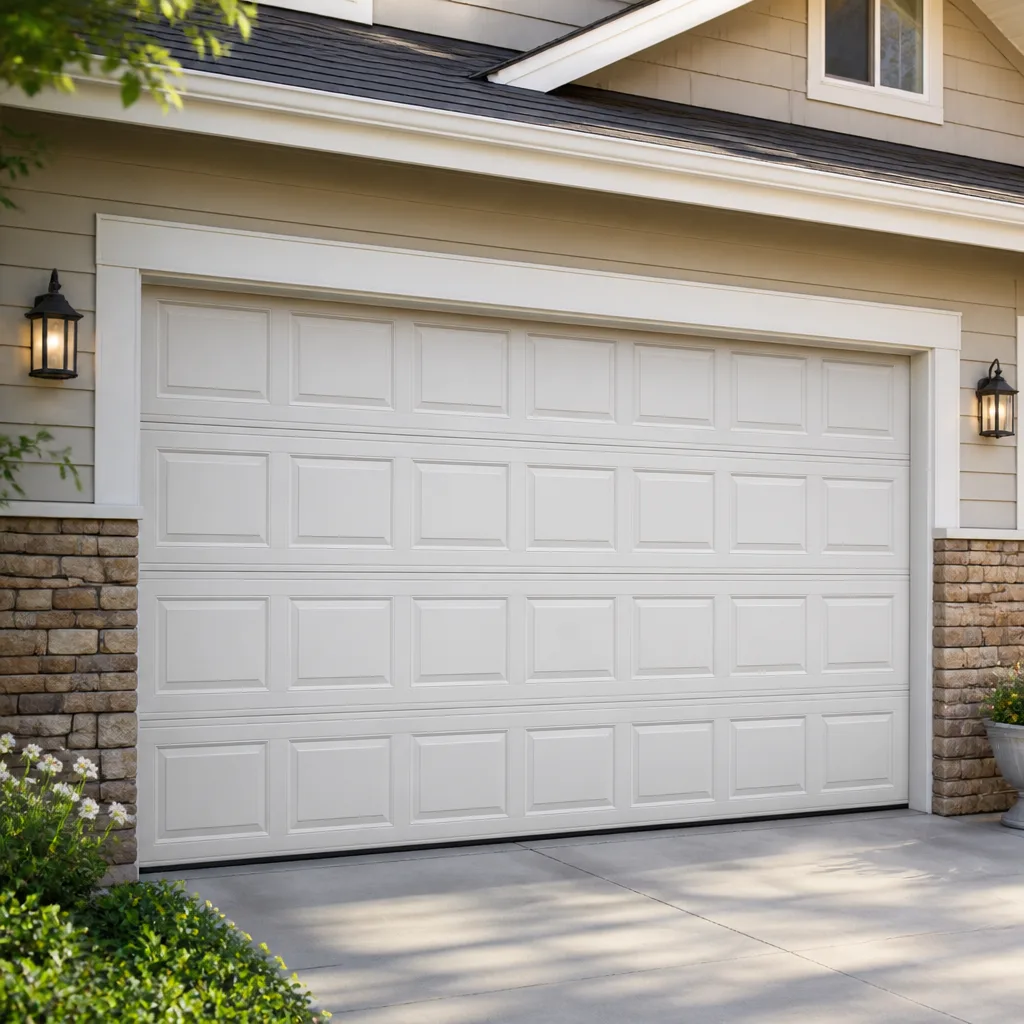 Raised-panel steel
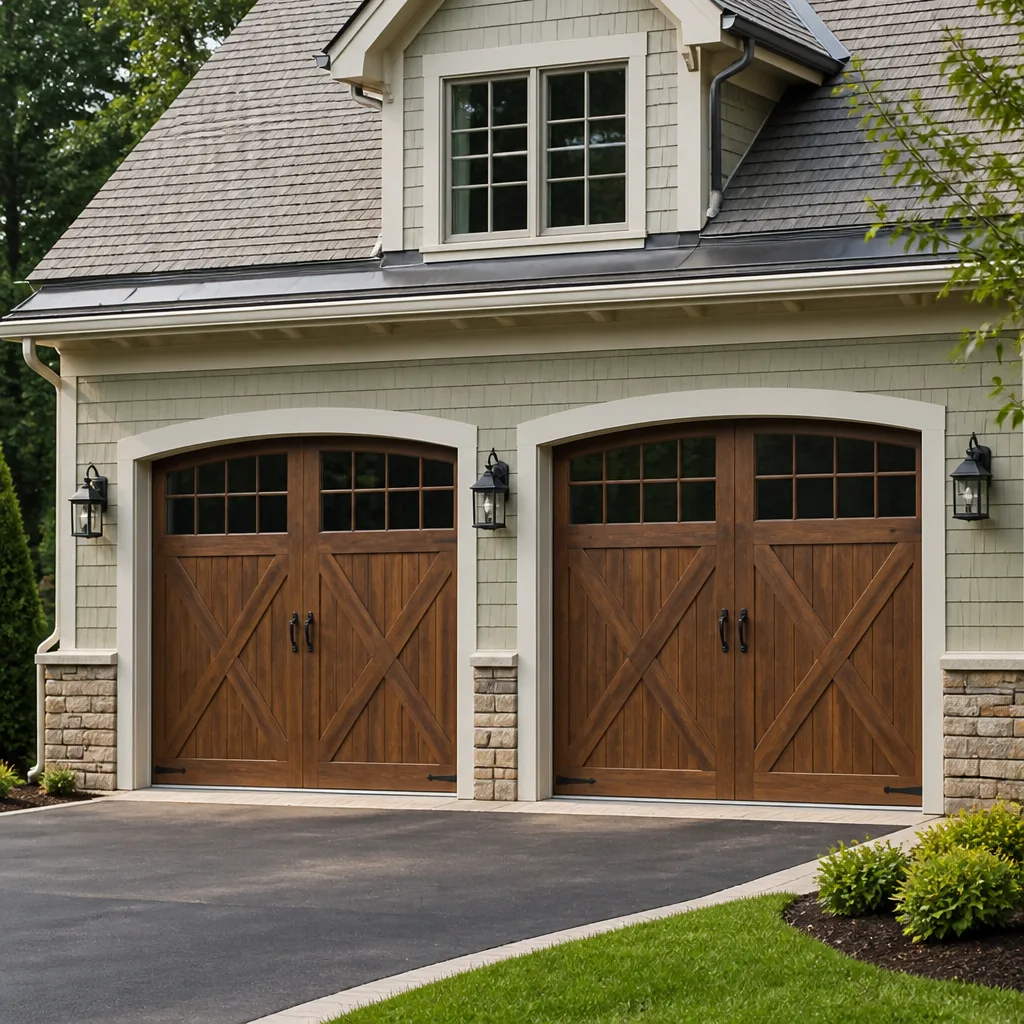 Carriage house
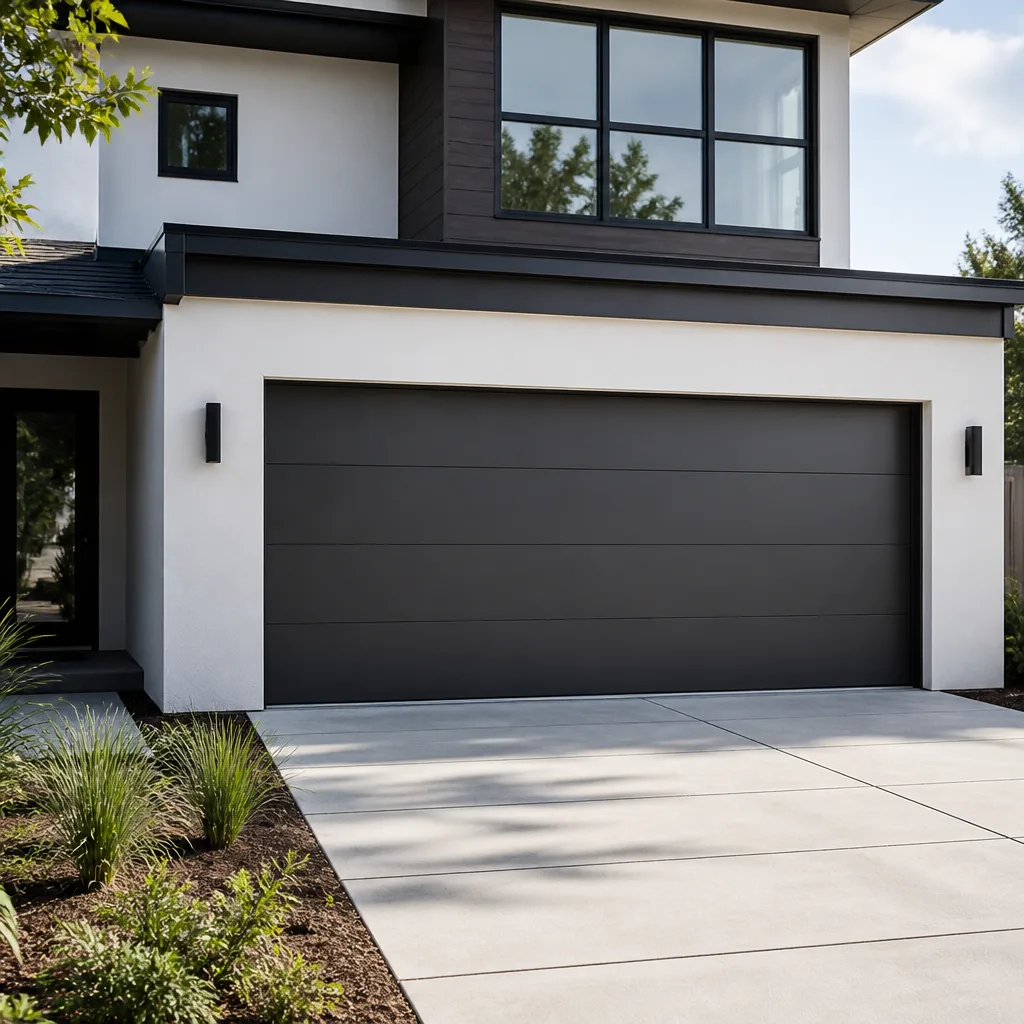 Modern flush
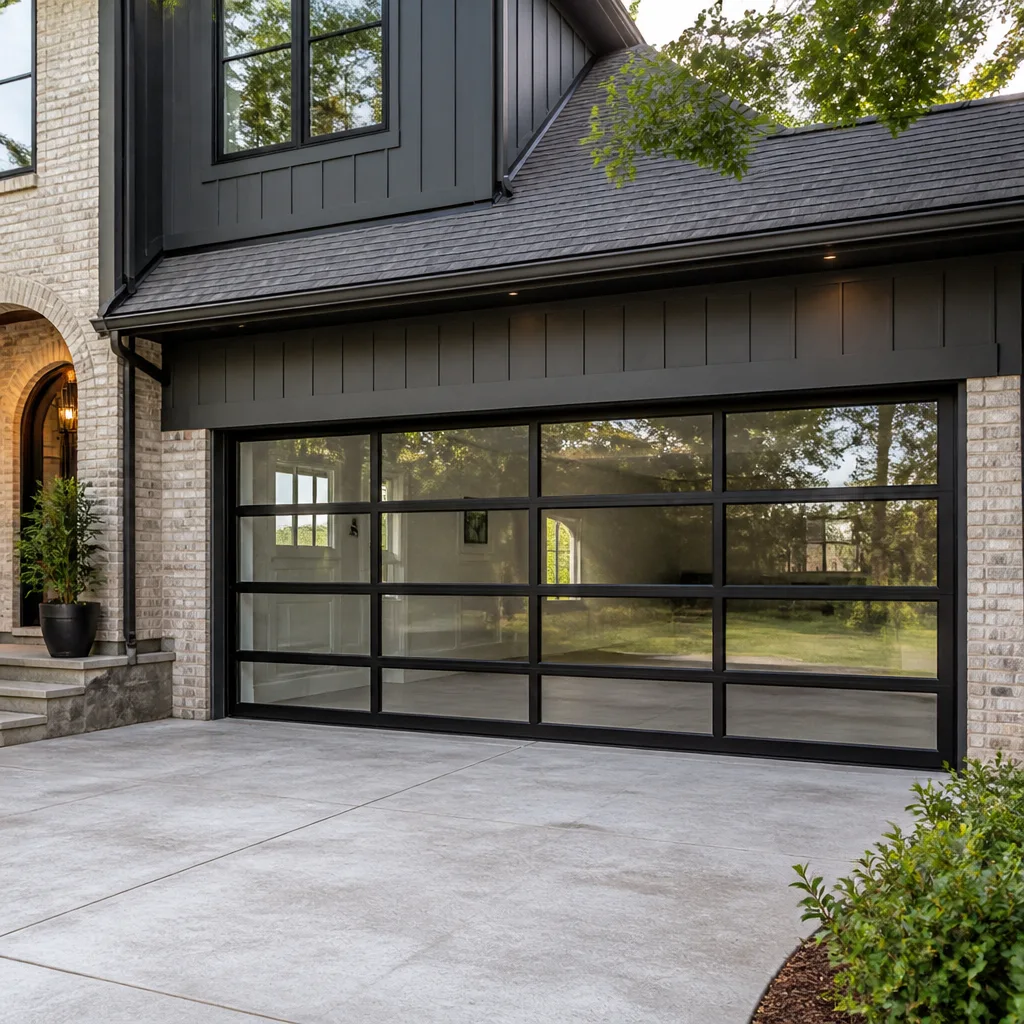 Full-view glass
 LiftMaster openers
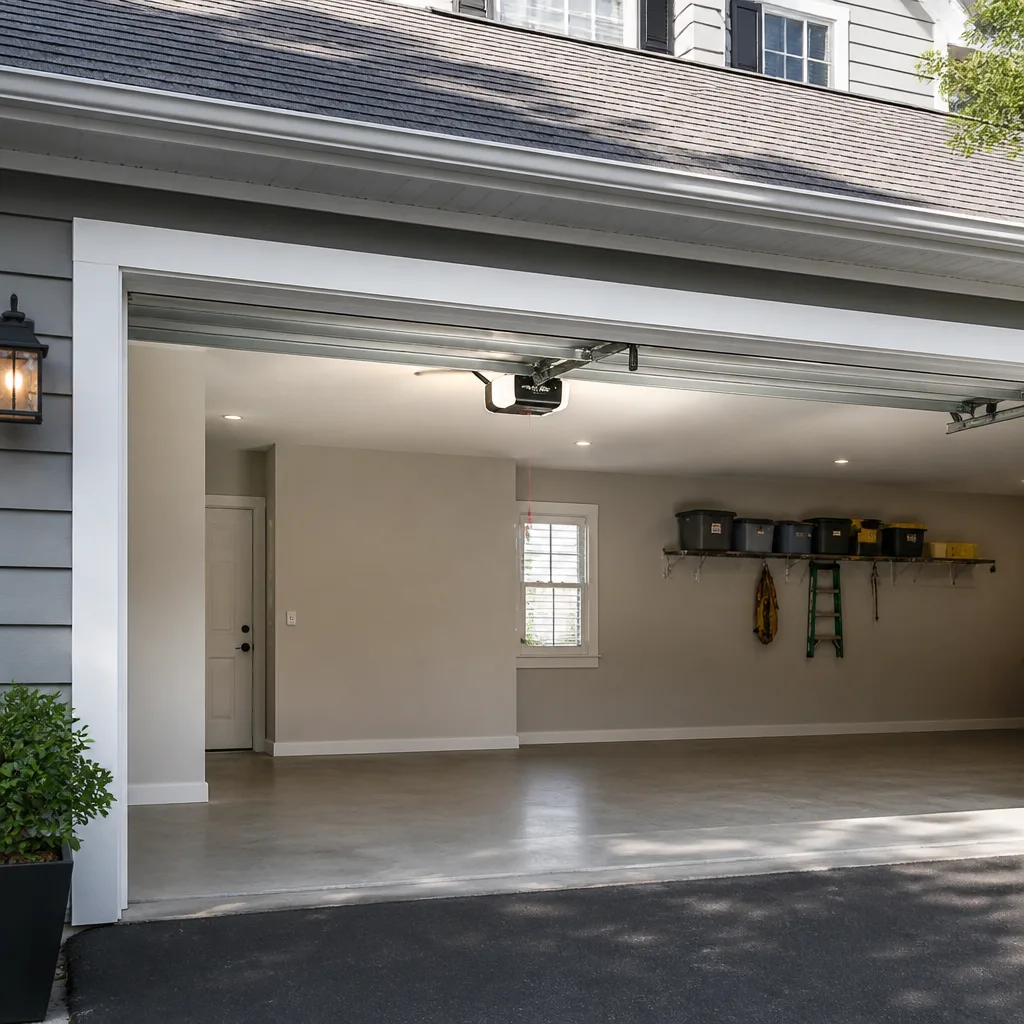 Chamberlain openers
Full 25-point door and opener safety check with every visit - springs, cables, rollers, tracks, and your LiftMaster or Chamberlain opener included
You get a price before we start. It does not change when the pro arrives.
Get your free estimateSeasonal Garage Door Care for Albany: Year-Round Homeowner’s Guide
Most homeowners treat garage door maintenance as one annual chore, usually squeezed in whenever something starts squeaking. That single-task approach is exactly why doors fail in Albany at the worst possible moments. Our four seasons don’t create one maintenance problem; they create four different ones. Cold contracts metal, freeze-thaw cycles attack the bottom seal, road salt creeps into brackets and rollers, and summer humidity swells wood and composite panels out of alignment. Each season leaves its own wear on a door, and each season is the right time to intervene. This guide walks you through what fails when in Albany, how to spot it early, and the 15-minute walk-around that catches most problems before they turn into emergencies.
Quick Answer
Garage doors in Albany need four separate seasonal interventions, not one annual tune-up: fall spring tension checks before November cold, winter measures to stop the bottom seal freezing to concrete, spring cleanup of salt-driven corrosion on brackets and rollers, and summer adjustment of opener travel limits after humidity swells panels. A short walk-around each season catches most imminent failures before they become emergency repairs.
Styles & brands we work with
- Raised-panel steel
- Carriage house
- Modern flush
- Full-view glass
- LiftMaster openers
- Chamberlain openers
Table of Contents
- Why Albany’s Four Seasons Create Four Different Failure Modes
- Fall: Adjusting Spring Tension Before the Cold Sets In
- Winter: Stopping the Bottom Seal From Freezing to Concrete
- Spring: Cleaning Up Winter’s Salt Damage
- Summer: Managing Humidity, Panel Alignment, and Travel Limits
- The 15-Minute Seasonal Walk-Around That Catches Most Failures
- What Door Brands and Openers Need the Most Attention
- Common Mistakes to Avoid
- When to Call a Professional
- Frequently Asked Questions
Why Albany’s Four Seasons Create Four Different Failure Modes
A garage door is a spring-loaded machine that lives in the most temperature-volatile room of your house. In Albany, the swing from a humid summer afternoon to a hard November morning is large enough that door hardware behaves like a different system in each season. That’s why any seasonal garage door maintenance plan for Albany NY has to treat fall, winter, spring, and summer as separate checkpoints with separate jobs.
Here’s how each season stresses the door differently:
- Fall: Temperature drops cause metal springs to contract slightly while under the same tension they held all summer. Lubricant thickens as temperatures fall, and a garage door opener strains against a door that suddenly moves harder than it did a month before.
- Winter: Freeze-thaw cycles repeatedly melt and refreeze snowmelt at the base of the door. The rubber bottom seal can bond to the concrete slab overnight, and the opener’s next cycle peels it away with a pop that degrades the seal over time.
- Spring: Everything road salt and slush touched during winter starts to corrode. Bottom brackets, hinges, and rollers that never got rinsed carry visible rust by April.
- Summer: Humidity swells wood and composite panels. A door that tracked cleanly in May can scrape or bind by July, and the opener’s travel limits drift out of adjustment to match.
Each of these has a right month to address it, and skipping one season leaves the next one with more to fix. That’s the case for thinking in four checkpoints instead of one.
Fall: Adjusting Spring Tension Before the Cold Sets In
The single most useful fall task in Albany is getting spring tension checked and lubricant refreshed in October, before temperatures drop below freezing. Garage door springs don’t fail randomly. The highest concentration of spring failures happens within the first few weeks of serious cold, when recently contracted metal meets the same tension setting it held all summer, and the lubricant on the torsion bar and rollers has thickened enough that the door no longer cycles smoothly.
What changes as temperatures fall
Two things happen around the freezing mark. First, the lubricant you last applied in warm weather becomes noticeably more viscous, so friction rises on the torsion bar, hinges, and rollers. Second, cold metal loses a small amount of elasticity, which means the same spring tension does slightly more work against the door. Neither change is dramatic on its own. Together they raise the load on the spring just as the door gets harder to move.
Why October is the right month
Do the spring check while temperatures are still mild. A technician can measure balance, listen for the door’s movement, and rebalance or adjust tension in comfortable conditions rather than in a cold snap when a failing spring has already gone. If we adjust in October, the door enters November balanced for the colder load it’s about to carry. If we wait until the first freeze to think about it, we’re usually responding to a door that has already stopped working.
What the fall check involves
- Cycle the door by hand (with the opener disconnected) to feel for binding or rough travel.
- Listen for the spring’s movement and check for gaps in the coils.
- Inspect the torsion bar, hinges, and rollers for existing wear.
- Apply garage door lubricant to the moving parts, not to the tracks.
- Test the door’s balance and the opener’s force settings against the current load.
Springs are under extreme tension. Leave the actual adjustment to a trained technician, and never try to wind, unwind, or remove a torsion spring yourself. This is the component that seriously injures homeowners every year when they attempt it.
Winter: Stopping the Bottom Seal From Freezing to Concrete
The fix for a bottom seal that freezes to the slab is preventive, not reactive: keep the seal clean and slightly lubricated, and keep the slab clear of standing snowmelt so the rubber never sits in water that will refreeze overnight. Albany’s freeze-thaw pattern is the culprit here. Snowmelt runs to the door’s base during the day, pools against the rubber seal, and refreezes after sunset. Overnight, the seal bonds to the concrete. The opener’s next cycle rips it loose, and after enough cycles the rubber tears, hardens, or pulls away from the track.
Why this is specific to our winters
Garage doors in milder climates rarely deal with this because the slab doesn’t refreeze often enough for the seal to bond. Here it can happen repeatedly across a single winter week, so a seal that would last years elsewhere can wear out in one or two seasons.
What helps
- Clear snowmelt from the threshold. A broom or squeegee after snowy days keeps water from pooling against the rubber.
- Keep the seal clean and dry. Wipe it down when you can, and apply a thin coat of silicone-based lubricant to the seal surface so ice bonds to the lubricant rather than the rubber.
- Check the seal’s contact with the floor. If the seal doesn’t sit flush, gaps let cold air and water in. A seal that’s already cracked or compressed should be replaced before winter.
- Don’t force a frozen door. If the door won’t lift on the first cycle, stop and free the seal by hand rather than cycling the opener repeatedly. Repeated forced cycles are what damage the seal, the opener, and occasionally the door’s panels.
A good bottom seal replacement in the fall, before the first hard freeze, is one of the cheapest preventive steps you can take. It beats replacing an opener that’s been worked hard against a stuck seal all winter.
Spring: Cleaning Up Winter’s Salt Damage
By April, road salt tracked into the garage has had months to corrode the parts closest to the floor, so spring is the right time to rinse and inspect bottom brackets, hinges, rollers, and the bottom section of the door. Salt doesn’t just sit on the surface. Combined with snowmelt and humidity, it stays in contact with metal for weeks, accelerating rust on the components that see the most moisture.
Where to look
- Bottom brackets: These sit closest to the floor and see the most salt and slush. They’re a common spot for rust to start.
- Rollers and hinges: Rollers that ride in the tracks collect salt and grit, which wears the wheel surface and stiffens movement.
- Bottom panel edges: Steel bottom panels on doors from Clopay, Amarr, Wayne Dalton, and Raynor often show rust first at the folded edge closest to the ground.
- Track sections near the floor: Salt spray accumulates in the lower track curve and can pit the metal.
What the spring reset involves
- Rinse the lower door, tracks, and hardware with plain water to remove salt residue. Skip pressure washing that could force water into the opener or panel seams.
- Inspect the bottom brackets, hinges, and rollers for rust. Light surface rust can be cleaned and spot-treated; heavily corroded brackets should be replaced.
- Lubricate the rollers, hinges, and torsion bar after the rinse and dry.
- Check the bottom seal again. Winter freeze-thaw cycles may have cracked or hardened it.
- Confirm the opener’s safety sensors are clean and aligned after a winter of road grit.
If your door’s bottom section has visible rust blooming through the paint, that’s not just cosmetic. Left alone, rusted steel panel edges eventually perforate, and a bottom panel replacement is the practical fix. We can work with your specific door brand to source the right color and profile.
Summer: Managing Humidity, Panel Alignment, and Travel Limits
Summer humidity swells wood and composite garage door panels, which can throw a door out of alignment and knock an opener’s travel limits out of adjustment, so mid-summer is the right time to recheck both. On wood doors especially, this isn’t a defect. It’s the natural response of the material to moisture. Composite panels behave similarly, and even steel doors can bind if their tracks shifted slightly from winter frost heaves at the base.
What humidity does to a door
- Wood and composite panels swell by small amounts, which can cause doors to rub against the frame or bind in the tracks.
- Panel edges can warp slightly out of alignment with neighbors, making the door uneven and forcing the opener to work unevenly.
- Tracks can shift at the base from frost heave in the slab below, and a track that was straight in March might not be in July.
- Opener travel limits set in the milder months are now wrong for a door that travels a few millimeters differently than it did before.
Why travel limits drift
An opener’s travel limits tell it where the door should be fully open and fully closed. They’re set to the door as it was when the limits were programmed. When humidity swells panels or shifts tracks, the door’s actual open and closed positions change enough that the opener either stops the door early or reverses it prematurely. That’s not an opener failure; it’s an opener that’s still doing what it was told, against a door that’s changed shape.
What the summer check involves
- Cycle the door by hand and feel for binding, especially when the door reaches the mid-travel range.
- Check the tracks for alignment, especially the lower curve.
- Re-program the opener’s travel limits and force settings if the door has shifted.
- Test the opener’s safety reverse against an object on the floor.
- Inspect panels for swelling, warping, or cracking and note any that need adjustment or replacement.
Most openers, including LiftMaster, Chamberlain, Genie, and Craftsman models, let a technician reset the travel limits in a few minutes. Small openers can be re-dialed at home, but if you’ve had to reset them repeatedly, the door itself needs the adjustment, not the opener.
The 15-Minute Seasonal Walk-Around That Catches Most Failures
A 15-minute walk-around each season catches most imminent failures before they become emergencies, and it needs nothing more than a flashlight, a rag, and the ability to watch and listen. We’ve seen how a small number of symptoms early predict the majority of garage door garage door repair calls in Albany, so this is the same routine our technicians use first on a service call.
What to check, in order
- Walk under the partially open door and look up. Check the springs for gaps in the coils or rust streaks. If you see either, that’s a technician call, not a DIY job.
- Disconnect the opener and lift the door by hand. A properly balanced door should lift easily and stay in place when you let go at hip height. A door that slams shut or feels heavy is telling you the spring is already losing tension.
- Watch the door cycle by hand. Look for wobbles, tilts, or binding, and listen for grinding, rattling, or snapping. A door that binds on one side usually means a roller, hinge, or track issue.
- Check the tracks for dents or bends. The lower curve takes the most abuse from winter debris and salt. Run your hand along the inside curve; if you feel a dent, the door will fight the track on every open.
- Inspect the rollers and hinges. Worn rollers rattle or wobble. Hinges that bind are usually dry or rusted. Light lubrication on the rollers, hinges, and torsion bar keeps the door moving cleanly.
- Run your hand along the bottom seal. A seal with cracks, hard spots, or compression on one side is a cheap replacement now and an opener problem later.
- Test the safety reverse. Put a small object, like a broom handle, under the door’s path and cycle the door closed. It should reverse on contact. If it doesn’t, the safety sensors need cleaning or adjustment before anyone uses the door.
What to do with what you find
Tighten nothing related to springs, and don’t try to straighten a bent track yourself. Everything else on the list is either a routine lubricant-and-clean task or a reliable signal that a phone call is the next step. A quick note on your phone about which items looked off makes a technician’s first visit faster. And if the same symptom shows up in two consecutive seasons, that’s your cue to schedule repair rather than keeping an eye on it.
What Door Brands and Openers Need the Most Attention
Brand matters because each manufacturer has its own weak points and its own service parts, and the door and the opener have to work as one system for the door to stay reliable. We work on LiftMaster, Chamberlain, Genie, Clopay, Amarr, Wayne Dalton, Craftsman, and Raynor products specifically, so we know which seasonal issue is most likely to show up on your equipment before we open the door.
Openers
- LiftMaster and Chamberlain: Travel limits, force settings, and safety sensor alignment are the most common seasonal adjustments. Sensor lenses fog or get dirty from winter grit, and both brands depend on clean sensors to reverse correctly.
- Genie and Craftsman: Belt and chain drive systems respond strongly to temperature changes. A belt that ran quietly in spring can chirp in cold weather if the tension has drifted, and the force setting may need adjustment as temperatures shift.
Doors
- Clopay and Amarr: Steel panel doors show salt-driven corrosion first at the bottom section edge and around hinges. Spring is the right time to catch it before it pits.
- Wayne Dalton and Raynor: Wood and composite doors respond most visibly to summer humidity. Panel alignment and track checks matter more on these in July and August than on steel doors.
Most homes in Albany already have a door or opener we know, so the seasonal check can go straight to the right adjustment. From springs and cables to smart openers and circuit boards, we cover the full system, which is why a single visit is often enough to sort seasonal drift and an unrelated issue together. If you’re not sure what brand you have, look for a label on the door’s bottom section or inside the opener’s housing before you call; that one detail speeds up diagnosis.
Common Mistakes to Avoid
- Treating maintenance as one annual task. Skipping the fall spring check because “we had it looked at in spring” is exactly how a door reaches November with a spring that’s already past its safe load.
- Lubricating the tracks. Tracks should be wiped clean, not greased. Lubricant on the tracks attracts grit, and grit under rollers is what wears them out in a single Albany winter.
- Forcing a frozen bottom seal. Cycling the opener again and again to break the seal loose damages the rubber and stresses the opener. Free the seal by hand first.
- Ignoring a bent lower track. The lower curve takes the most frost heave and winter debris. A small dent ignored in spring wears out the rollers and hinges on that side by summer.
- Not re-checking opener travel limits after humidity changes. A door that closed perfectly in June can stop short by August. If the limits aren’t re-set, the opener fights the door, and that strain is what shortens the opener’s life.
- Touching the springs. Torsion springs are under extreme tension and can cause serious injury if handled without training and proper tools. Every part of the seasonal routine is fine to do yourself except this one.
- Skipping the post-winter rinse. Road salt left on bottom brackets and hinges all summer accelerates corrosion fast. Plain water and a rag in April saves real work later.
When to Call a Professional
Some jobs are a technician’s for good reason. Call a professional if you see a gap in a spring’s coils, a door that slams down when you let go of it, a broken cable, a bent track that keeps returning to its bend after the door cycles, or an opener that reverses the door partway without hitting anything. Call too if the safety reverse fails any test, or if the door has started coming down unevenly on one side. Our technicians have up to 13 years of experience with springs, cables, rollers, tracks, opener boards, and safety sensors, and can diagnose both mechanical and electronic faults in one visit. Repair or replace, we’ll tell you which one makes sense for your door and your budget. Bancroft Garage Door Repair offers free estimates in Albany. Call (866) 942-9116. We answer 24/7. Fast dispatch from 7am to 7pm, Sunday through Friday.
Frequently Asked Questions
Four times a year, once per season, is the right cadence in Albany because each season creates a different failure mode: fall stresses spring tension, winter attacks the bottom seal, spring exposes salt corrosion, and summer swells panels out of alignment. A 15-minute walk-around each season catches most problems early. Call (866) 942-9116 for an exact quote if a walk-around turns up an issue. Estimates are free.
Springs break in November because the first sharp temperature drops of the season come on fast. The spring metal contracts slightly while holding the same tension it held all summer, and the lubricant on the torsion bar thickens, so the door cycles harder. That combination raises the load on the spring at exactly the moment it’s under the most stress. October is the month to get spring tension checked and the hardware lubricated.
Keep snowmelt from pooling at the door’s threshold, wipe the seal dry when you can, and apply a thin coat of silicone-based lubricant to the seal’s contact surface so ice bonds to the lubricant instead of the rubber. If the door won’t lift on the first cycle, free the seal by hand before running the opener again. A seal that’s already cracked or compressed should be replaced in the fall.
No. Torsion and extension springs are under extreme tension and can cause serious injury if handled without training and proper tools. Every other part of the seasonal walk-around is fine to do yourself. Springs are not. A trained technician should handle any spring adjustment, replacement, or repair on a garage door in Albany.
Summer humidity swells wood and composite panels, and that swelling changes the door’s actual open and closed positions slightly. The opener’s travel limits were set to the door’s original positions, so they now stop the door a little too early or reverse it a bit late. Re-setting the limits in mid-summer fixes the mismatch. If the limits drift repeatedly, the door itself needs adjustment, not the opener.
Repair usually makes sense when the springs, cables, rollers, or opener are the failing part and the door itself is sound. Replacement is more sensible when the panels are rusted through, the door has come out of square, or repeated repairs are costing more than the door is worth. The written estimate sets the final price, and we give you a written quote before any work starts.
Seasonal maintenance is the short walk-around you can do yourself, plus the two professional touchpoints each year where a technician handles spring tension and opener adjustment. A full service call is when a symptom you’ve spotted in the walk-around turns into a repair. If you’re not sure which one you need, describe the symptom on the phone and we’ll tell you whether it can wait.
See the difference
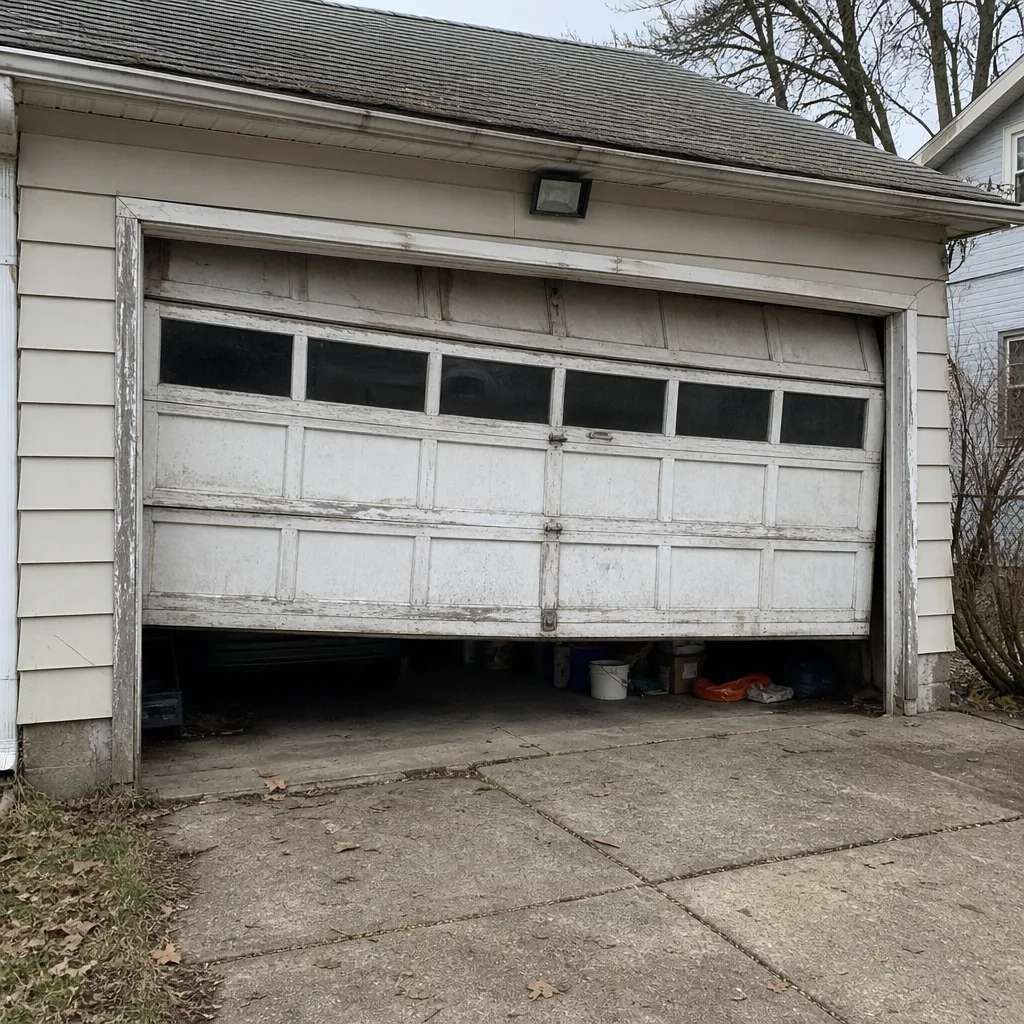 Before
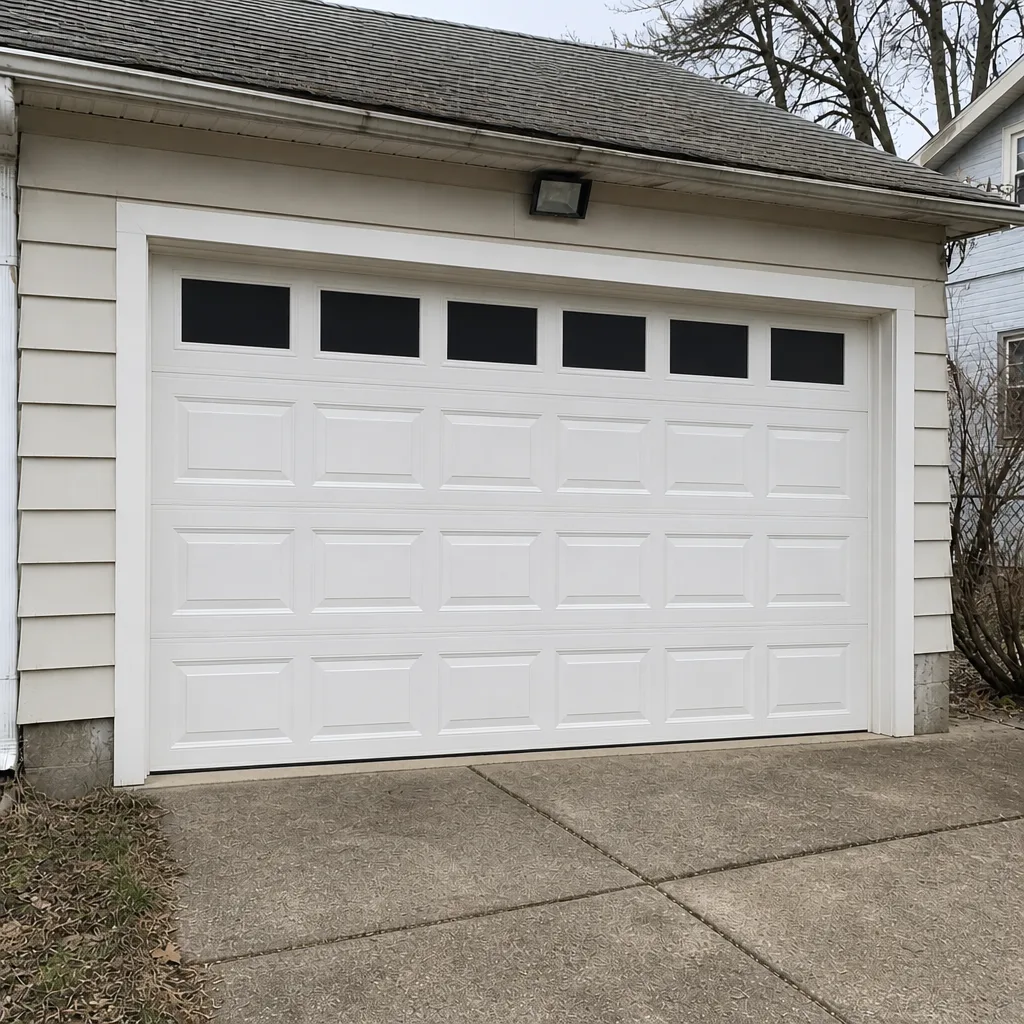 After
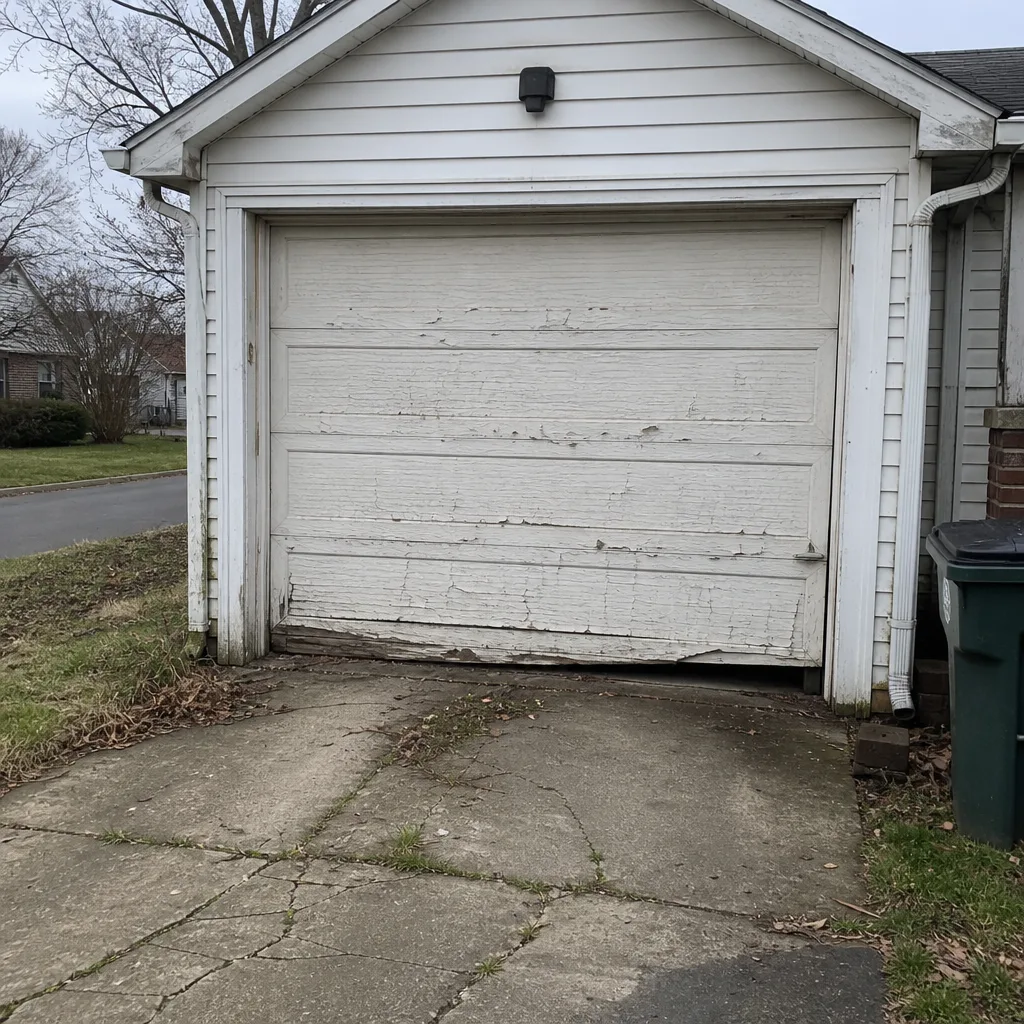 Before
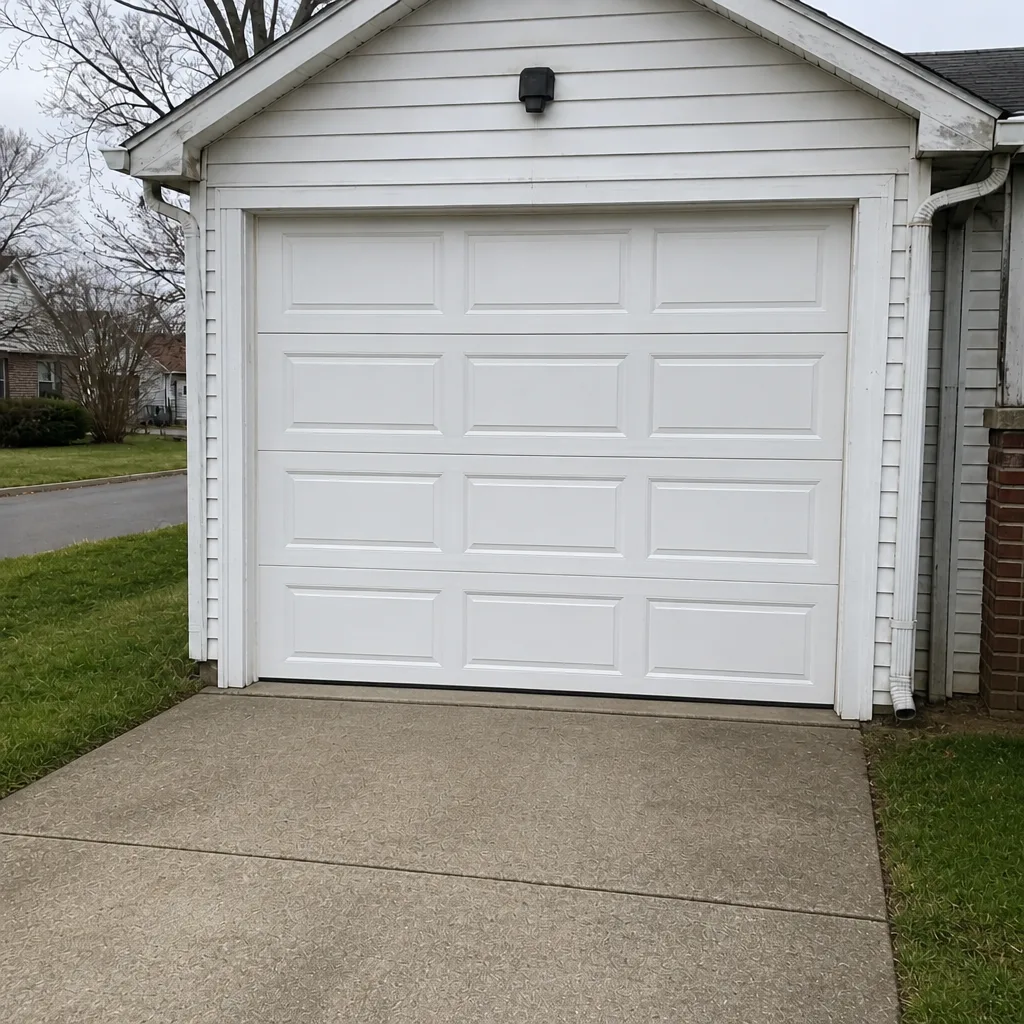 After
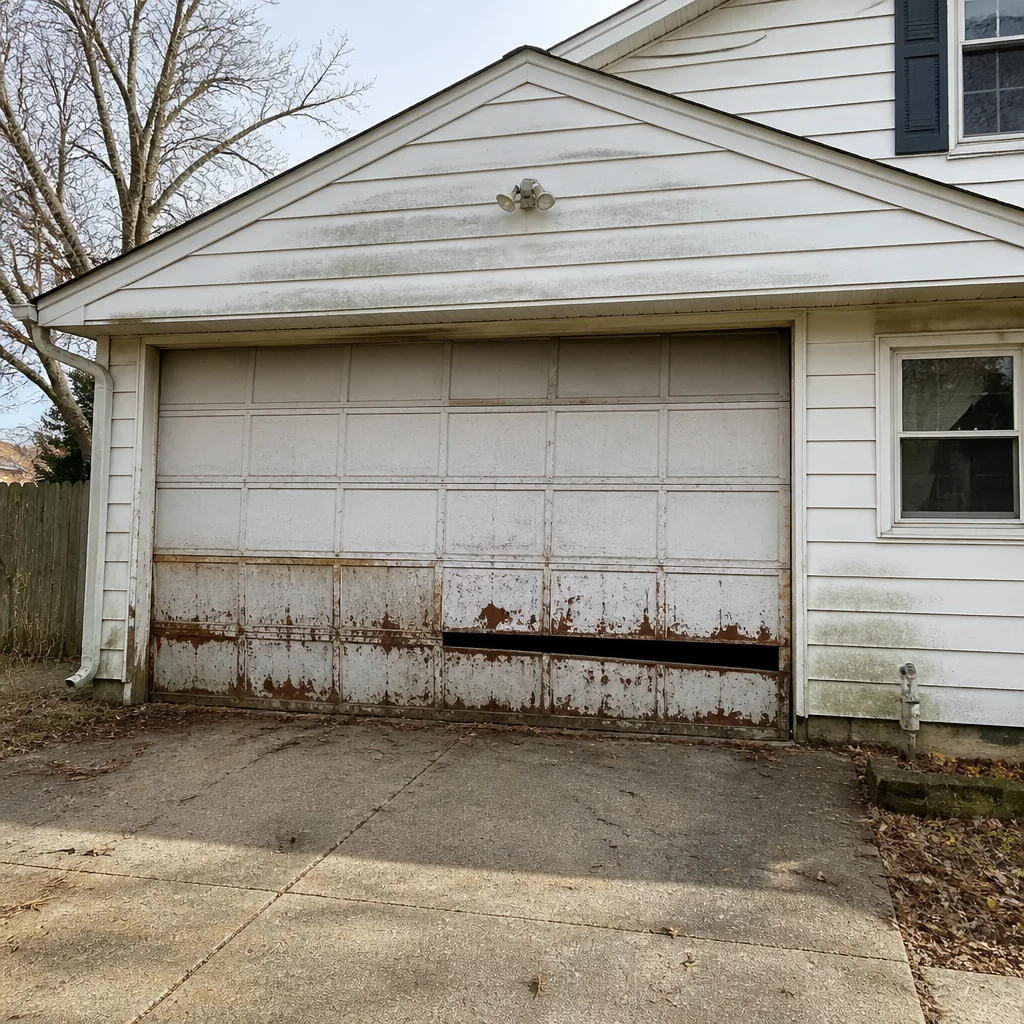 Before
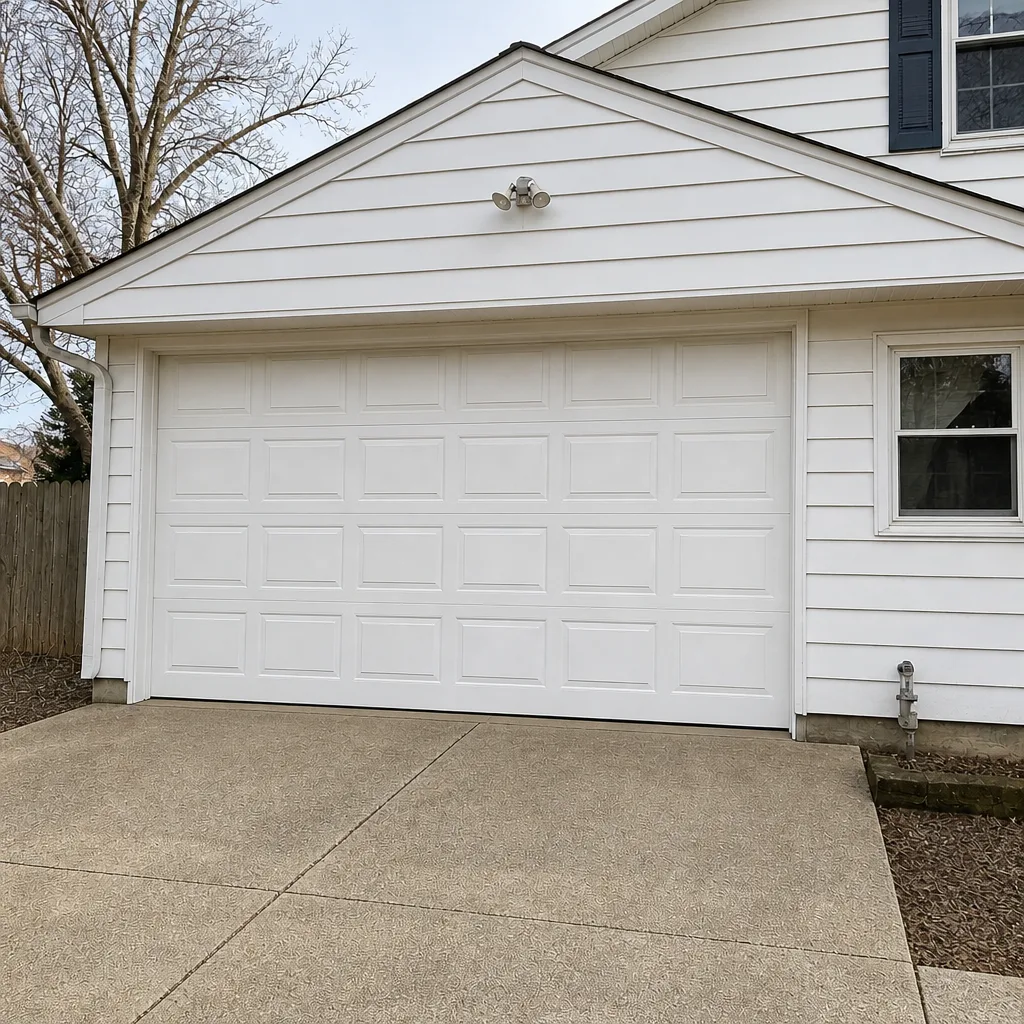 After
The Bottom Line
Garage door care in Albany is four small interventions a year, not one big annual service. Get spring tension checked in October before the cold load hits. Deal with the bottom seal before the first hard freeze so it doesn’t bond to the slab. Rinse the road salt off the bottom brackets and hinges in April. Re-check the opener’s travel limits after the humidity swells panels in July. And run a 15-minute walk-around in each season to catch what the seasonal change is already starting to break. Most failures telegraph themselves weeks before they strand your car. The 15 minutes is what buys you that warning.
Contact
If a walk-around turns up a spring with a gap in the coils, a seal that’s already tearing, or an opener that fights the door on every cycle, don’t wait for the next season. Call (866) 942-9116 for a free estimate on garage door opener repair, spring replacement, or a seasonal service visit for your Albany home. We answer 24/7. Fast dispatch from 7am to 7pm, Sunday through Friday. Learn more about Bancroft Garage Door Repair and the brands we work on, from LiftMaster and Chamberlain to Clopay and Amarr.
Written by the team at Bancroft Garage Door Repair.